The 20 RV Accessories Every Full-Timer Actually Needs

Salem Hassan founded Travelcamp RV and brings 30+ years of hands-on RV, marine, and powersports retail experience to every review.
✎ Reviewed by Salem Hassan — Founder, Travelcamp RV · 30+ years in RV, marine, and powersports retail
Why trust us
ShopRVGear articles are researched by the Searchshop Editorial team using manufacturer specs, RV trade sources, and owner feedback. We match every recommendation to your RV class — Class A, B, C, fifth-wheel, or travel trailer — because gear that works in a 40-ft motorhome often does not fit a Class B van. We may earn a commission on qualifying purchases; it does not change what we recommend.
The 20 RV Accessories Every Full-Timer Actually Needs
If you are building a practical checklist of must have rv accessories for full timers, it helps to focus on gear that solves everyday problems instead of chasing gadgets you may rarely use. We researched the accessories that make the biggest difference in safety, comfort, maintenance, and daily convenience for people who live on the road year-round. The list below is designed for real full-time RV life: protecting your rig, managing hookups, staying organized, and handling problems before they become expensive repairs.
Why Full-Timers Need a Different RV Gear List

Weekend campers can get by with a lighter setup, but full-timers depend on their RV as a home, office, and transportation hub. That means accessories need to do one of four things consistently:
- Protect critical systems
- Improve safety
- Reduce setup and breakdown stress
- Make daily living more efficient
We recommend prioritizing durability and function over novelty. A good accessory should earn its storage space.
The 20 Must-Have RV Accessories for Full-Timers
1. Surge Protector or EMS
A quality electrical management system helps protect your RV from low voltage, power surges, miswired pedestals, and other campground power issues. For full-timers, this is one of the most important forms of protection.
2. Fresh Water Hose
Choose a drinking-water-safe hose designed for RV use. A dedicated freshwater hose helps keep your potable water supply cleaner and easier to manage.
3. Water Pressure Regulator
Campground water pressure can vary wildly. A regulator helps protect your plumbing, fittings, and fixtures from damage caused by excessive pressure.
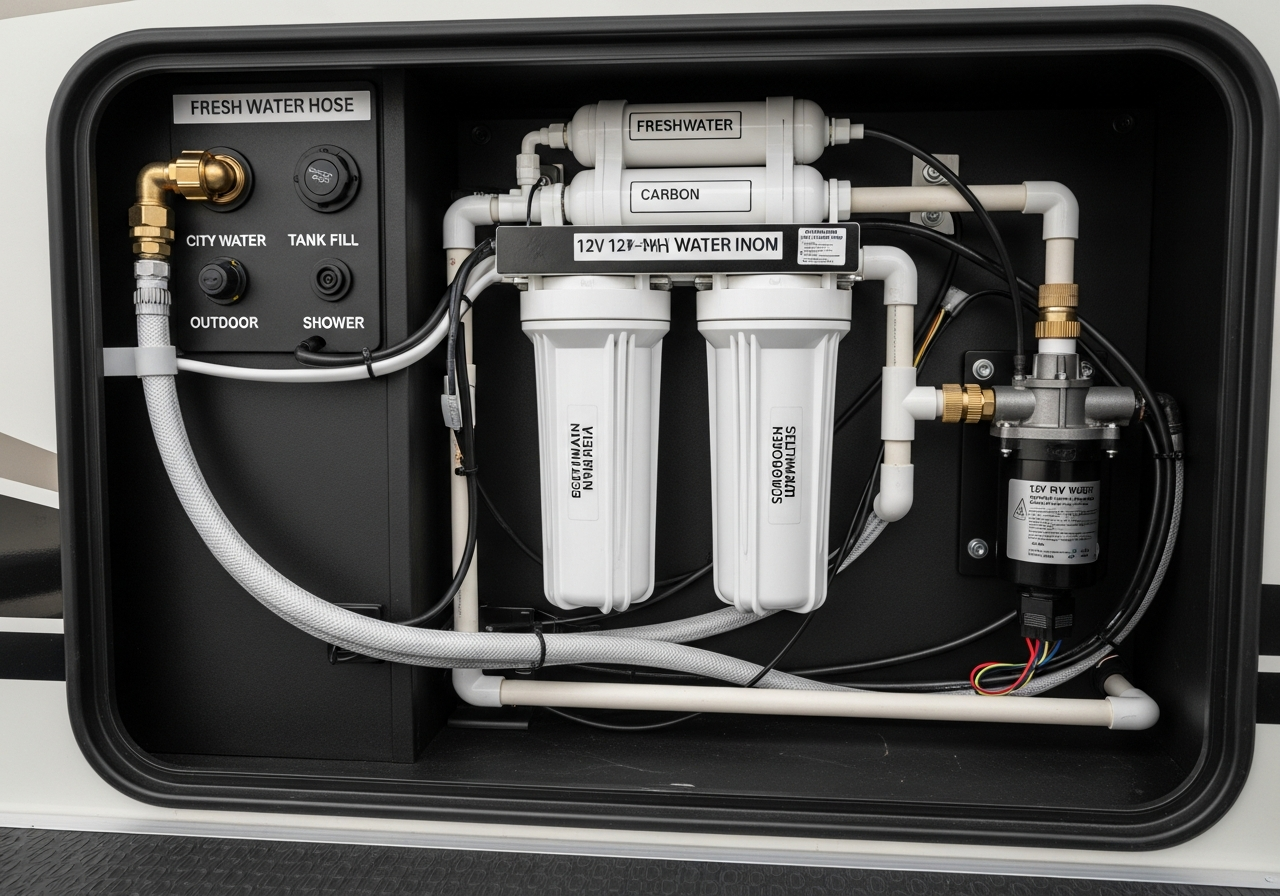
4. Inline Water Filter
An inline filter improves water quality by reducing sediment and common contaminants. It can also help reduce unpleasant taste and odor.
5. Sewer Hose Kit With Clear Elbow
A durable sewer hose kit with secure fittings and a clear elbow makes dumping cleaner and easier. The clear section helps you confirm when tanks are fully rinsed.
6. Sewer Hose Support
This accessory helps maintain proper hose slope from RV to sewer connection. It improves drainage and can reduce messy backups.
7. Wheel Chocks
Wheel chocks help keep the RV from shifting during parking, leveling, and setup. They are a basic but essential safety item.
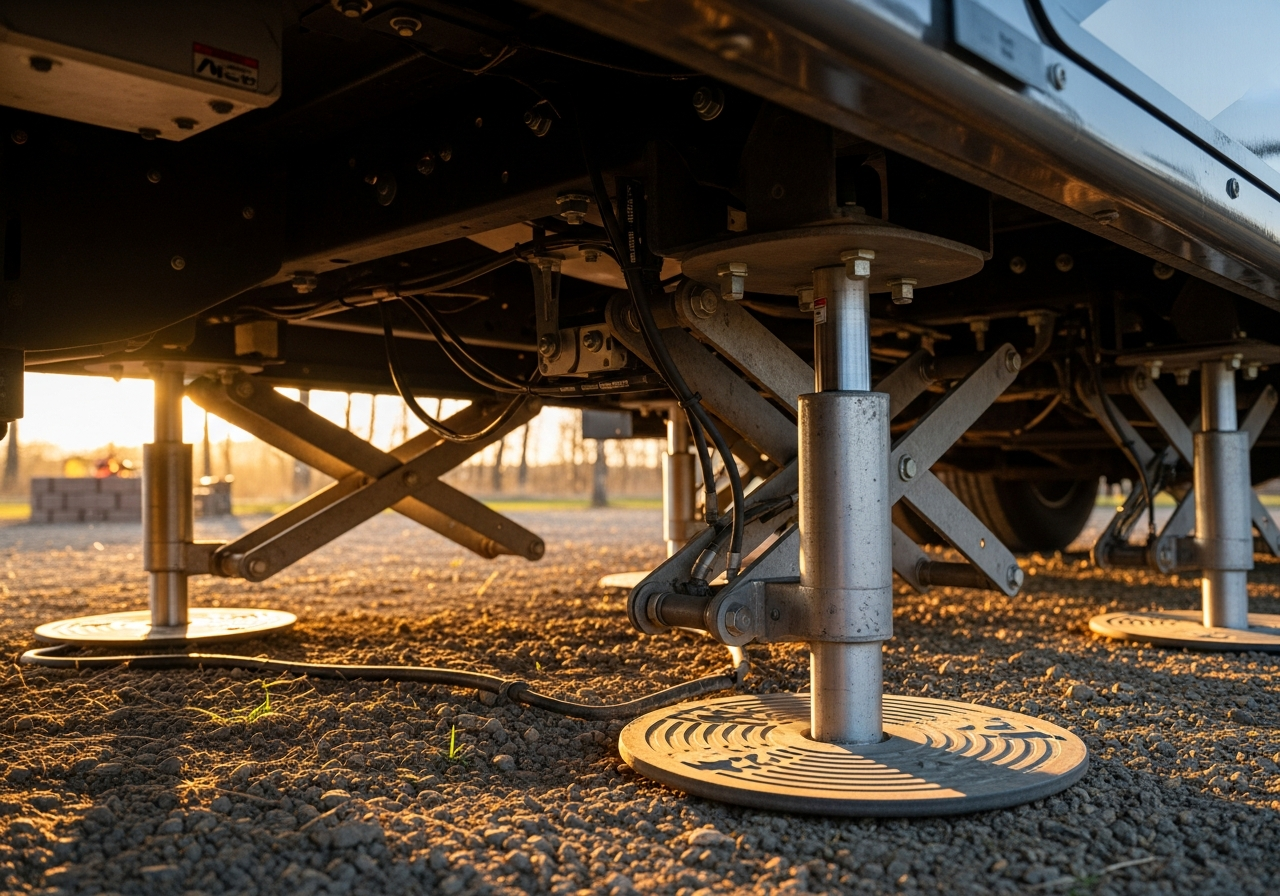
8. Leveling Blocks or Leveling System Accessories
Keeping your RV level improves comfort, refrigerator performance, and drainage. Leveling blocks are especially useful on uneven campsites.
9. Tire Pressure Monitoring System
A TPMS helps monitor tire pressure and temperature in real time. For full-timers covering long distances, this can help catch slow leaks or overheating before they become dangerous.
10. Portable Air Compressor
A compact compressor makes it easier to maintain correct tire pressure and top off bike tires, inflatables, and other gear. Tire care is one of the simplest ways to improve safety and fuel efficiency.
11. Heavy-Duty Extension Cord and Adapters
Campground pedestals are not always ideally positioned. A properly rated extension cord and the right adapters can make difficult hookups manageable.
12. RV-Safe Heated Water Hose or Hose Insulation
For cold-weather full-timers, freeze protection matters. A heated hose or proper insulation can help maintain water flow in low temperatures.
13. Dehumidifier or Moisture Control Products
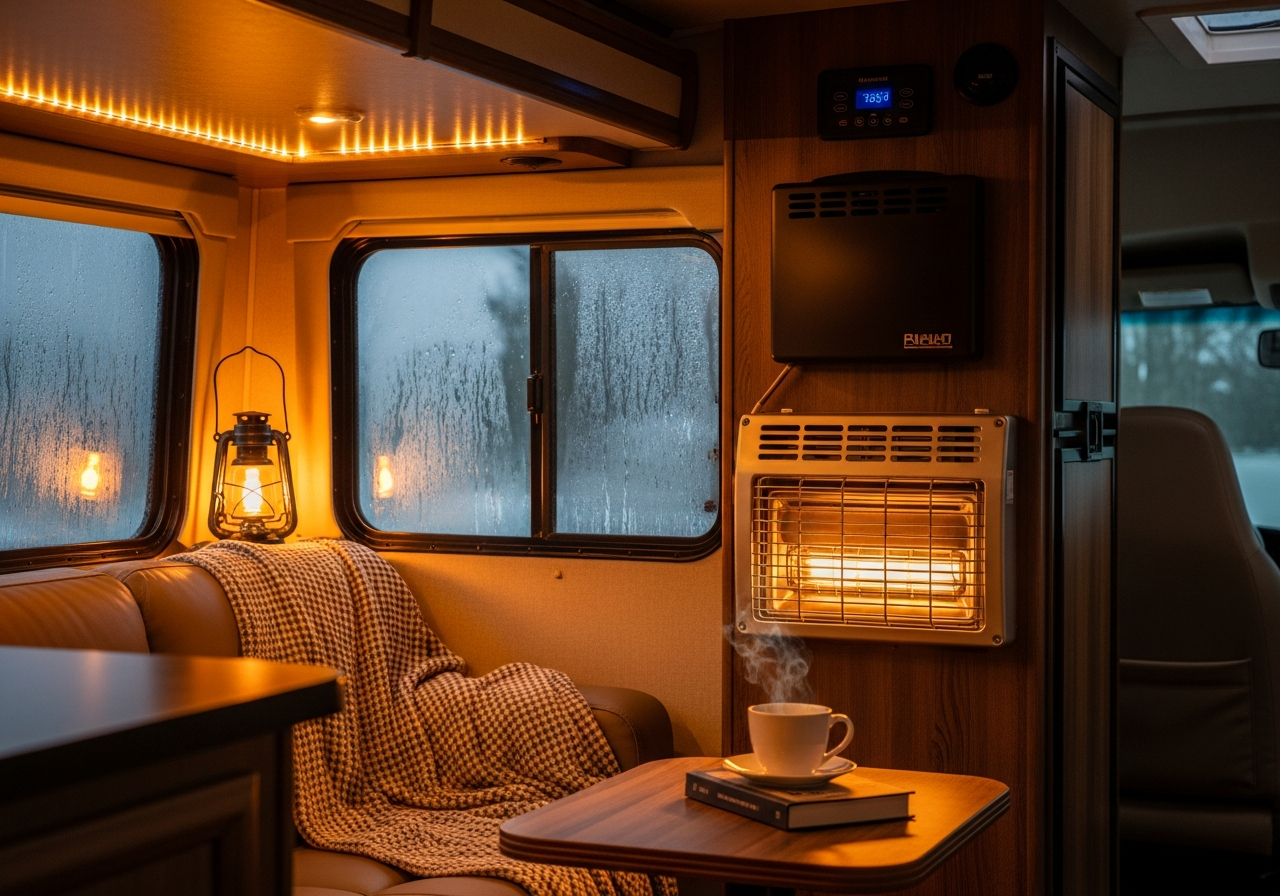
Condensation is a common issue in full-time RV living. Moisture control helps reduce mold risk, window condensation, and musty odors.
14. Vent Covers
Vent covers let you keep roof vents open during rain and improve airflow. Better ventilation is one of the easiest ways to control humidity and cooking odors.
15. Fire Extinguishers and Smoke/CO Detectors
Your RV should have working fire and carbon monoxide protection at all times. Full-timers should regularly inspect detectors and keep extinguishers accessible.
16. Basic Tool Kit
A practical RV tool kit should include screwdrivers, pliers, wrenches, socket set, utility knife, multimeter, sealant-compatible caulk tool, and flashlight. Small fixes happen often in full-time travel.
17. Sealant and Roof Inspection Supplies
Water intrusion is one of the most expensive RV problems. Keeping compatible sealant, gloves, and inspection tools on hand helps you catch roof or seam issues early.
18. Storage Bins and Cable Organization Gear
Full-time RV living demands efficient storage. Stackable bins, labeled containers, and cord organizers reduce clutter and make setup faster.
19. Portable Waste Tank
If you stay in places without full hookups, a portable waste tank can make gray or black tank management much easier.
20. Step Stabilizer or Entry Mat Setup
A stable entry step and a durable outdoor mat help reduce tracked-in dirt and improve comfort getting in and out of the RV every day.
How to Set Up Your RV Essentials the Right Way

Step-by-Step Hookup Process
Park and assess the site
Check for slope, soft ground, low branches, and hookup placement.Safety tip: Walk the site before backing in. Watch for hidden obstacles and uneven footing.
Chock the wheels
Place wheel chocks before leveling or disconnecting from a tow vehicle.Safety tip: Never rely only on the parking brake when setting up.
Level the RV
Use leveling blocks or your leveling system according to manufacturer instructions.Safety tip: Avoid over-stacking blocks beyond their rated use.
Connect power with surge protection first
Plug your EMS or surge protector into the pedestal before connecting the RV power cord.Safety tip: Turn pedestal breakers off before plugging in or disconnecting.
Connect fresh water
Attach the pressure regulator to the spigot, then the filter, then the freshwater hose to the RV.Safety tip: Use only drinking-water-safe hoses for potable water.
Set up sewer connections
Connect the sewer hose securely, use a support if needed, and keep tank valves closed until dumping unless your gray-tank strategy requires otherwise.Safety tip: Wear disposable gloves and confirm fittings are locked before opening valves.
Check ventilation and moisture control
Open vents as needed, start a dehumidifier if conditions are damp, and inspect windows for condensation.
Troubleshooting Common Full-Time RV Accessory Problems
1. No Power After Hookup
Diagnostic steps:
- Confirm the pedestal breaker is on.
- Check whether the surge protector or EMS shows an error code.
- Verify your adapter and extension cord are fully seated.
- Check your RV main breaker panel.
Solution: If the EMS reports miswired power or low voltage, do not bypass it. Move sites or notify campground management.
2. Weak or No Water Flow
Diagnostic steps:
- Check whether the spigot is fully open.
- Inspect the hose for kinks.
- Verify the pressure regulator is installed correctly.
- Replace or flush a clogged inline filter.
Solution: If flow improves after removing a dirty filter, install a fresh one and sanitize the hose connections.
3. Sewer Hose Not Draining Properly
Diagnostic steps:
- Check for low spots in the hose.
- Confirm the sewer support creates a steady downhill slope.
- Inspect for a twist or partial blockage.
- Verify the dump valve is fully open.
Solution: Reposition the hose and support, then flush the line thoroughly after dumping.
4. Excess Condensation Inside the RV
Diagnostic steps:
- Check windows and corners for moisture buildup.
- Evaluate cooking, showering, and sleeping ventilation.
- Measure indoor humidity if you have a hygrometer.
- Inspect vent covers and fans for proper airflow.
Solution: Increase ventilation, run a dehumidifier, wipe down wet surfaces, and avoid drying wet gear indoors when possible.
5. Uneven Tire Pressure or Frequent Pressure Loss
Diagnostic steps:
- Check pressure when tires are cold.
- Compare readings with your TPMS.
- Inspect valve stems and tread for damage.
- Look for embedded debris or visible punctures.
Solution: Inflate to the manufacturer-recommended pressure for your setup and have suspected leaks professionally inspected.
Maintenance Guide for Full-Time RV Accessories
Monthly Maintenance Checklist
- Inspect surge protector or EMS for wear or weather exposure.
- Flush or replace water filter as needed.
- Check hoses for cracks, leaks, and worn washers.
- Clean and inspect sewer hose fittings.
- Verify tire pressure and TPMS sensor readings.
- Test smoke, propane, and carbon monoxide detectors.
- Inspect roof seams, vents, and exterior sealant.
- Reorganize storage bins and remove unnecessary weight.
Seasonal Maintenance Checklist
Spring
- Sanitize the freshwater system
- Inspect roof sealant after winter weather
- Check tire condition before heavier travel
- Clean vent covers and test fans
Summer
- Monitor power quality closely in high-demand campgrounds
- Watch for heat-related tire pressure changes
- Increase humidity control during frequent AC use
- Inspect outdoor mats and step areas for wear
Fall
- Prepare heated hoses or insulation for cold nights
- Check weather seals around doors and compartments
- Service dehumidifiers and clean filters
- Review emergency gear and flashlight batteries
Winter
- Protect exposed water lines from freezing
- Monitor propane and battery condition more often
- Clear snow or ice safely from vents and access points
- Inspect for interior condensation daily in cold climates
How to Inspect Roof and Sealant in 5 Steps
Use a stable ladder on level ground
Have a spotter if possible.Safety tip: Never climb onto a wet or icy roof.
Check all roof penetrations
Inspect vents, skylights, antennas, and AC units for cracks or lifting sealant.Inspect sidewall seams and corner joints
Look for gaps, peeling, or discoloration.Clean the area before any repair
Use materials compatible with your RV roofing type.Apply the correct sealant sparingly and evenly
Follow cure-time instructions before exposing the area to heavy rain.
Choosing Accessories Without Overbuying
Full-time RVers often discover that too much gear creates its own problems. Storage space, weight limits, and setup complexity all matter. We recommend asking three questions before adding any accessory:
- Does it solve a recurring problem?
- Can it prevent damage or improve safety?
- Is it compact and easy to maintain?
If the answer is no to all three, it may not deserve a place in your rig.
Final Thoughts
The best must have rv accessories for full timers are the ones that support the realities of daily life: safe power, clean water, reliable waste handling, tire care, moisture control, and preventive maintenance. We researched this list with long-term practicality in mind, and each item addresses a common challenge full-timers face again and again. Start with the essentials that protect your RV systems first, then build out comfort and convenience from there.
Key Takeaways
- Full-timers need accessories that prioritize protection, safety, and daily efficiency.
- Power management, water setup, sewer gear, tire care, and moisture control are foundational.
- Proper setup matters as much as the accessory itself.
- Routine inspection of hoses, seals, tires, and detectors can prevent costly breakdowns.
- Seasonal maintenance helps full-timers stay ahead of weather-related issues.
- The smartest RV gear choices solve recurring problems without adding unnecessary bulk.