7 RV Accessory Mistakes Beginners Make (and How to Avoid Them)

Salem Hassan founded Travelcamp RV and brings 30+ years of hands-on RV, marine, and powersports retail experience to every review.
✎ Reviewed by Salem Hassan — Founder, Travelcamp RV · 30+ years in RV, marine, and powersports retail
Why trust us
ShopRVGear articles are researched by the Searchshop Editorial team using manufacturer specs, RV trade sources, and owner feedback. We match every recommendation to your RV class — Class A, B, C, fifth-wheel, or travel trailer — because gear that works in a 40-ft motorhome often does not fit a Class B van. We may earn a commission on qualifying purchases; it does not change what we recommend.
7 RV Accessory Mistakes Beginners Make (and How to Avoid Them)
If you are new to RVing, it is easy to fall into the same rv accessory mistakes beginners make every season. We researched the most common problems first-time owners face, from buying incompatible gear to skipping routine maintenance, and found that many of them are preventable with a little planning. The good news is that you do not need a garage full of gadgets to travel safely and comfortably. You just need the right accessories, used the right way.
In this guide, we explain seven common mistakes, how to avoid them, and what to do if something has already gone wrong.
Why RV Accessory Choices Matter

Accessories can improve safety, comfort, power management, water quality, storage, and campsite setup. But the wrong accessory can create expensive problems. A poorly matched surge protector, the wrong sewer hose fitting, or overloaded storage bins can affect your trip far more than many beginners expect.
We recommend thinking of RV accessories in three categories:
- Safety essentials: tire pressure tools, wheel chocks, surge protection, leveling gear
- Utility essentials: water hoses, sewer connections, power adapters, pressure regulators
- Convenience items: organizers, mats, kitchen tools, lighting, comfort upgrades
Beginners often spend too much on category three before fully covering categories one and two.
1. Buying Accessories Before Checking Compatibility
One of the biggest beginner mistakes is assuming all RV gear is universal. It is not.
What goes wrong
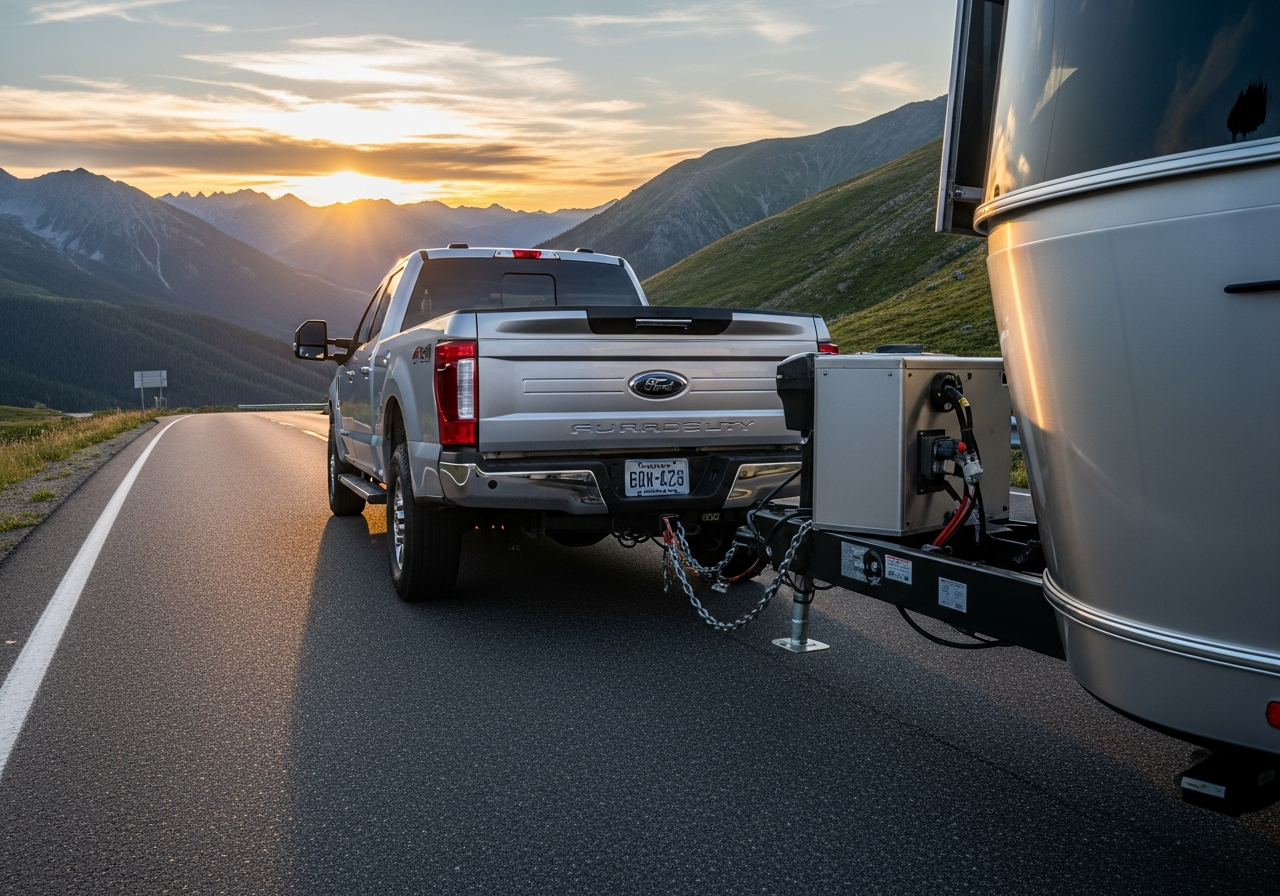
A power adapter may not fit your rig. A weight distribution accessory may not match your towing setup. Water filters, sewer fittings, ladder accessories, and covers can all vary by size, type, and connection standard.
How to avoid it
Step-by-step compatibility check
- Identify your RV type: travel trailer, fifth wheel, motorhome, camper van, or truck camper
- Confirm your hookups: 30-amp or 50-amp electrical service, water inlet type, sewer outlet size
- Measure key dimensions: hose lengths, storage compartments, tire size, entry step height, awning length
- Read manufacturer specifications: check weight limits, fitting sizes, and approved use cases
- Match accessory ratings to your RV: especially for electrical and towing gear
Safety tip
Never force an electrical, propane, or water connection that does not fit correctly. Improvised connections can cause leaks, shorts, or equipment damage.
2. Prioritizing Cheap Gear Over Reliable Essentials

Saving money matters, but buying the lowest-cost accessory in a critical category often leads to replacement costs, inconvenience, or safety risks.
What goes wrong
Cheap hoses may kink or split. Low-quality wheel chocks can crack. Poorly made power adapters may overheat. Inexpensive storage gear may fail while driving.
How to avoid it
Focus your budget on the accessories that directly affect safety and basic campsite function. We recommend spending more carefully on:
- Electrical protection
- Tire care tools
- Sewer and water connection components
- Leveling and stabilizing gear
- Weather-resistant outdoor equipment
A practical buying rule
If the accessory affects power, water, waste, towing, tires, or leveling, quality matters more than appearance or novelty.
3. Overpacking Accessories You Rarely Use
Many beginners buy too many “just in case” items and end up carrying unnecessary weight.
What goes wrong
Extra gear fills storage bays, makes it harder to find essentials, and can push cargo weight higher than expected. That affects fuel economy, towing behavior, braking, and tire wear.
How to avoid it
How to build a smarter accessory kit
- Start with trip-critical gear only: hoses, cords, adapters, chocks, leveling blocks, gloves, basic tools
- Pack by scenario: setup, breakdown, cooking, maintenance, emergency use
- Remove duplicates: you probably do not need three flashlights in the same compartment
- Track what you actually use: after each trip, note what stayed untouched
- Weigh heavy bins if needed: especially in smaller trailers and towables
Safety tip
Do not store heavy loose items where they can shift during travel. Use bins, straps, or compartment dividers to prevent movement.
4. Ignoring Electrical Protection and Power Management
Electrical mistakes are among the most expensive RV accessory errors.
What goes wrong
Beginners often plug directly into campground power without checking voltage or surge protection. Others use the wrong extension cord or overload a circuit with heaters, kitchen appliances, and chargers.
How to avoid it
Safe power setup steps
- Inspect the campground pedestal for visible burn marks, damage, or loose outlets
- Turn the breaker off before plugging in
- Use properly rated RV electrical accessories for your amp service
- Connect surge or electrical protection equipment according to its instructions
- Turn the breaker on only after connections are secure
- Monitor your load inside the RV if using multiple high-draw devices
Safety tip
If a plug feels hot, smells burnt, or shows discoloration, disconnect power safely and inspect the entire connection path before using it again.
5. Using Water and Sewer Accessories Incorrectly
Water and waste accessories are easy to underestimate until you deal with leaks, contamination, or unpleasant cleanup.
What goes wrong
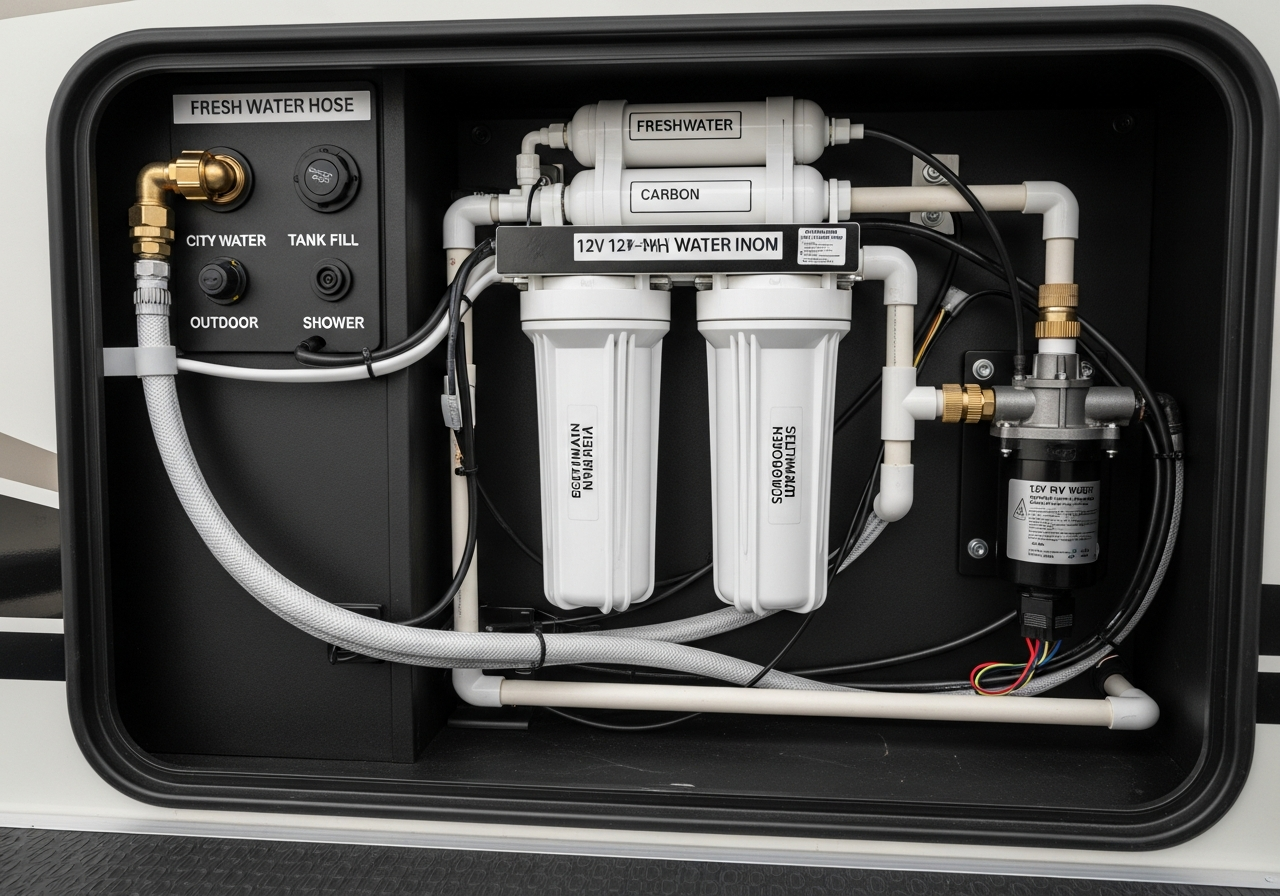
Beginners may use the wrong hose for drinking water, skip a pressure regulator, fail to secure sewer fittings, or store clean and waste gear together.
How to avoid it
Best practices for water and sewer setup
- Use a drinking-water-safe hose for fresh water only
- Add a pressure regulator before connecting to campground water
- Check washers and seals before every hookup
- Use dedicated storage for sewer gear, separate from fresh-water items
- Secure sewer connections fully before opening valves
- Rinse and dry equipment before storing when practical
Safety tip
Wear disposable or washable gloves when handling sewer equipment, and sanitize your hands and contact surfaces afterward.
6. Skipping Leveling and Stabilization Basics
A surprisingly common mistake is treating leveling and stabilizing as optional.
What goes wrong
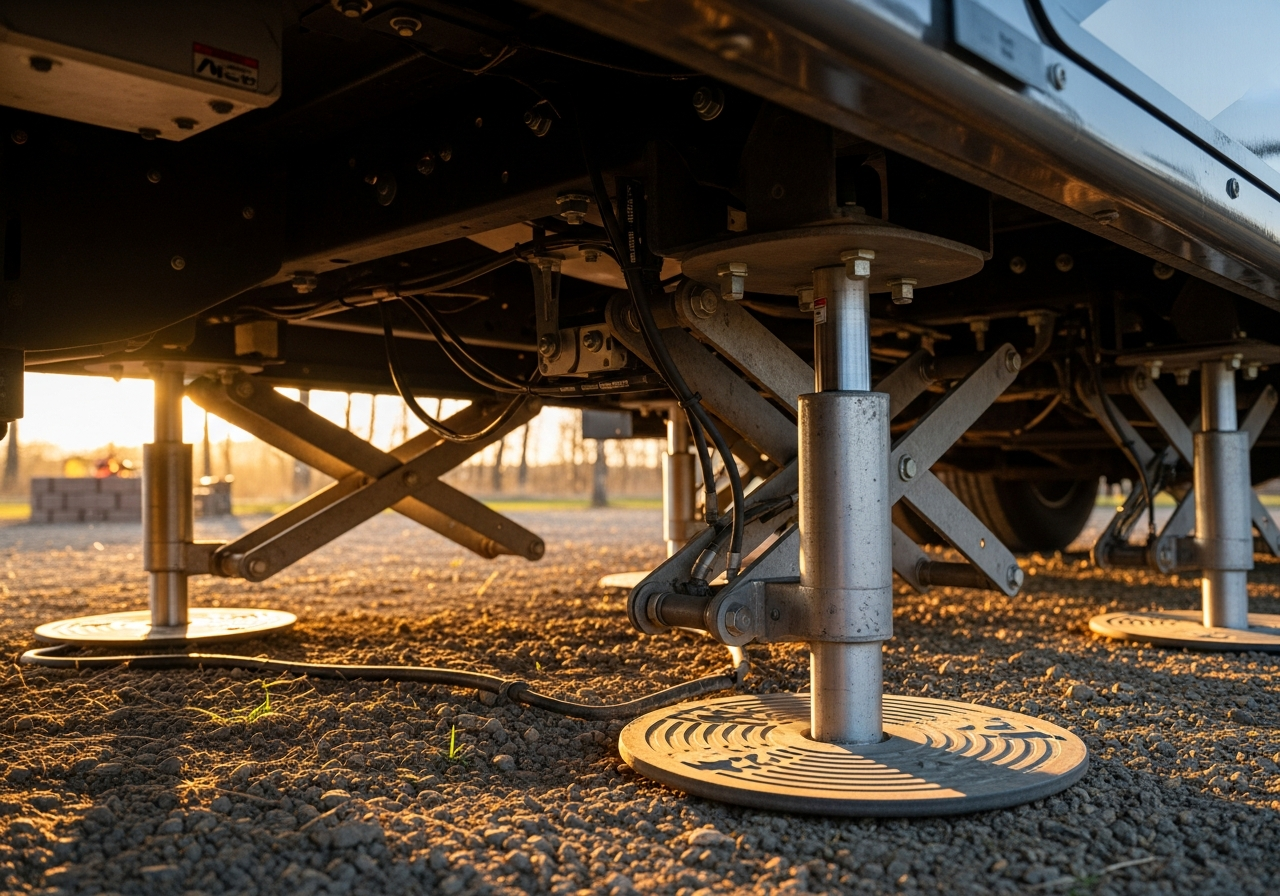
An unlevel RV can affect refrigerator performance, sleep quality, shower drainage, and general comfort. Improper use of stabilizers can also damage components if they are used to lift rather than stabilize.
How to avoid it
Basic leveling process
- Park on the most even ground available
- Chock the wheels before making adjustments
- Check side-to-side level first
- Use leveling blocks as needed
- Adjust front-to-back level second
- Deploy stabilizers only after the RV is level
Safety tip
Never place hands or feet near tires, jacks, or blocks while the RV is moving during leveling adjustments.
7. Forgetting Routine Accessory Maintenance
Even good accessories fail early if they are neglected.
What goes wrong
Hoses crack, seals dry out, cords corrode, bins trap moisture, and moving parts collect dirt. Beginners often focus on the RV itself and forget the gear that supports it.
How to avoid it
Create a simple maintenance routine and follow it before, during, and after the season.
Troubleshooting Common RV Accessory Problems
When something stops working, a quick diagnostic process can save time and prevent bigger issues.
1. Power accessory is not working
Diagnostic steps
- Check whether the campground pedestal breaker is on
- Inspect plugs and connectors for heat damage or looseness
- Confirm the accessory matches your RV amp service
- Test another outlet or known working device if safe to do so
- Look for tripped breakers inside the RV
Solutions
- Reset breakers if appropriate
- Replace damaged adapters or cords
- Stop using overheated connectors immediately
- Consult a qualified RV technician for recurring electrical faults
2. Water flow is weak or inconsistent
Diagnostic steps
- Check if the campground supply itself is weak
- Inspect the hose for kinks
- Verify the pressure regulator is installed correctly
- Check washers, screens, and filters for blockage
- Inspect for leaks at connection points
Solutions
- Straighten or replace kinked hoses
- Clean inlet screens and filters
- Replace worn washers
- Use the correct regulator and hose setup
3. Sewer connection leaks
Diagnostic steps
- Confirm the hose fittings are fully seated
- Check seals and gaskets for wear
- Inspect the hose for cracks or pinholes
- Verify the support angle if using a sewer support
Solutions
- Reconnect fittings securely
- Replace damaged seals or hose sections
- Keep a backup seal kit in your maintenance bin
4. RV feels unstable at the campsite
Diagnostic steps
- Check wheel chock placement
- Verify the RV is actually level
- Inspect stabilizers for proper contact with the ground
- Confirm blocks are stacked safely and evenly
Solutions
- Re-level the RV
- Reposition chocks
- Adjust stabilizers correctly
- Replace cracked or deformed leveling blocks
Seasonal RV Accessory Maintenance Guide
A basic seasonal checklist helps accessories last longer and perform more reliably.
Spring startup checklist
- Inspect hoses, cords, and fittings for cracks or wear
- Sanitize and flush fresh-water accessories
- Test electrical accessories for proper function
- Clean storage compartments and remove moisture buildup
- Replace missing washers, caps, and seals
Summer travel checklist
- Recheck tire-related tools and pressure accessories
- Inspect sun-exposed hoses and plastic parts for UV damage
- Keep surge and power gear dry and ventilated
- Organize frequently used setup gear for faster campsite arrival
Fall wrap-up checklist
- Clean and dry all water and sewer accessories thoroughly
- Inspect bins and soft goods for mildew or odor
- Discard worn disposable items and restock gloves or cleaners
- Note any gear that needs replacement before next season
Winter storage checklist
- Drain hoses completely
- Store accessories off damp concrete when possible
- Protect electrical contacts from corrosion
- Keep clean-water gear sealed from dust and pests
- Label bins so spring setup is easier
How to Build a Beginner-Friendly RV Accessory Routine
A simple process prevents most mistakes.
Before buying
- Check compatibility
- Confirm storage space
- Review weight impact
- Prioritize safety and utility over convenience extras
Before each trip
- Inspect critical accessories
- Restock consumables and gloves
- Confirm cords, hoses, and adapters are packed
- Check for worn seals and damaged fittings
At the campsite
- Level and chock first
- Connect power carefully
- Set up water with the correct fittings and regulator
- Connect sewer gear only when needed and store it separately afterward
Key Takeaways
Common beginner RV accessory mistakes are preventable. The biggest issues usually come from poor compatibility checks, low-quality essentials, overpacking, weak power management, incorrect water and sewer setup, improper leveling, and skipped maintenance.
To avoid problems:
- Verify fit, ratings, and dimensions before buying
- Prioritize safety and utility accessories first
- Keep cargo organized and avoid unnecessary weight
- Follow safe hookup procedures for power, water, and sewer
- Level and stabilize correctly every time
- Use seasonal checklists to maintain your gear
With a practical system and regular inspections, beginners can avoid many of the most frustrating RV setup and accessory issues.