RV Storage Tips for Full-Time Living: What to Keep and What to Ditch

Salem Hassan founded Travelcamp RV and brings 30+ years of hands-on RV, marine, and powersports retail experience to every review.
✎ Reviewed by Salem Hassan — Founder, Travelcamp RV · 30+ years in RV, marine, and powersports retail
Why trust us
ShopRVGear articles are researched by the Searchshop Editorial team using manufacturer specs, RV trade sources, and owner feedback. We match every recommendation to your RV class — Class A, B, C, fifth-wheel, or travel trailer — because gear that works in a 40-ft motorhome often does not fit a Class B van. We may earn a commission on qualifying purchases; it does not change what we recommend.
RV Storage Tips for Full-Time Living: What to Keep and What to Ditch
If you are looking for practical rv storage tips full time living, the biggest shift is mental before it is physical: every item in your rig must earn its space. Full-time RV life gives us less room than a house, but it also gives us a chance to simplify, stay organized, and travel more safely. We researched the most common storage challenges full-time RVers face and built this guide to help you decide what to keep, what to ditch, and how to maintain a system that actually works.
Why Storage Matters More in a Full-Time RV

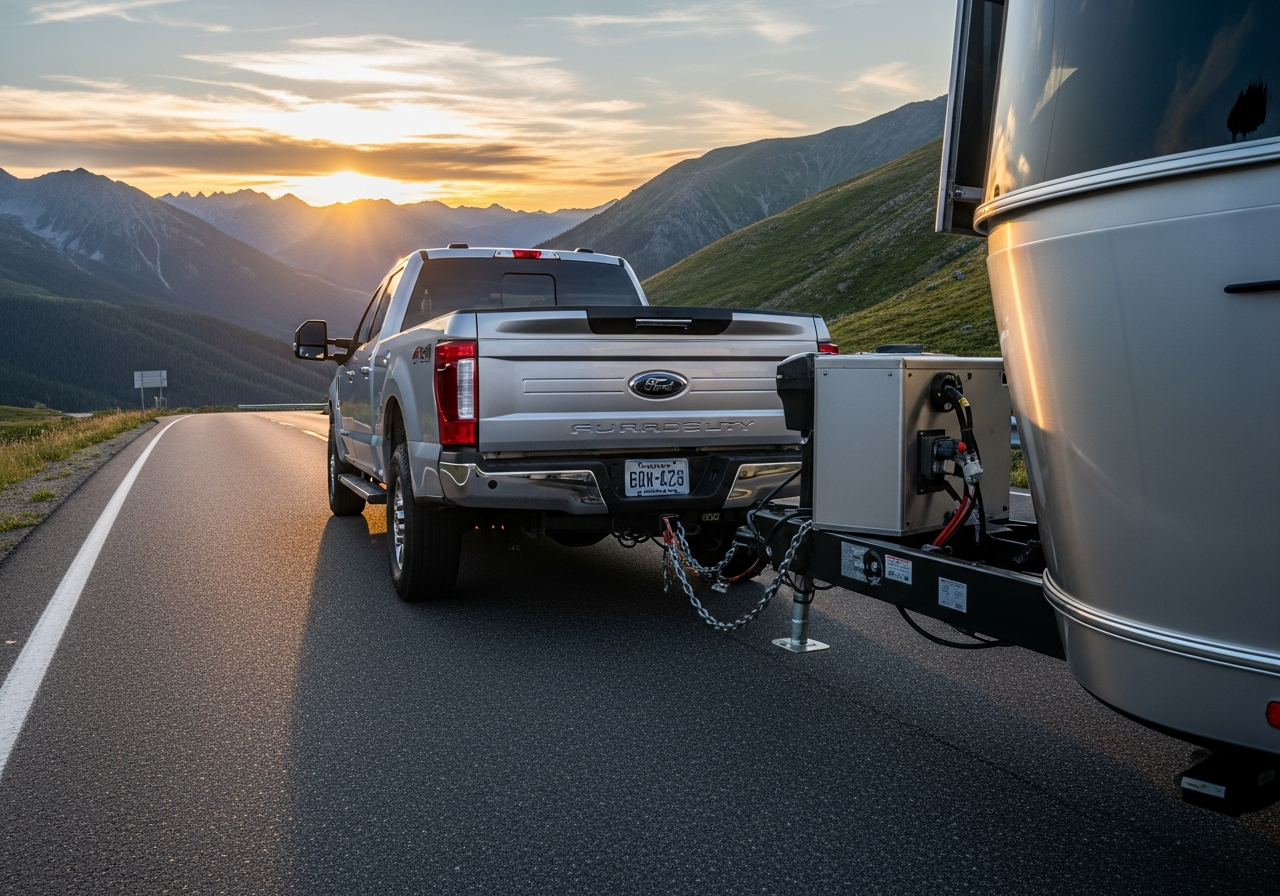
In a weekend camper, overpacking is inconvenient. In a full-time rig, it affects daily comfort, fuel efficiency, cleaning time, and even road safety. Overloaded cabinets can pop open during travel. Heavy gear stored poorly can upset weight balance. Forgotten items in basement compartments can create moisture, odor, and pest issues.
When we approach RV storage with a full-time mindset, we are trying to do four things at once:
- Keep only what we truly use.
- Store items where they are safest in transit.
- Make everyday essentials easy to reach.
- Prevent clutter from returning.
What to Keep in a Full-Time RV
The best items to keep are the ones that are useful, compact, and multi-purpose.
Daily-use essentials
These should stay in the RV and be easy to access:
- Core clothing for the current season
- Basic cookware and eating utensils
- Important documents in a protected folder
- Toiletries and medications
- Cleaning supplies sized for RV use
- Laundry basics
- Charging cables and electronics used weekly
- Bedding and towels that fit your actual storage space
Multi-use gear
We recommend prioritizing items that solve more than one problem:
- Nesting bowls and collapsible kitchenware
- Stackable food containers
- Foldable hampers or bins
- Compact tools for minor repairs
- Furniture or accessories with hidden storage
Safety and emergency supplies
These are non-negotiable, even in a small space:
- First-aid kit
- Flashlights or headlamps
- Fire extinguisher
- Gloves
- Emergency weather gear
- Drinking water backup
- Spare fuses and basic RV tools
What to Ditch Before It Takes Over Your Rig

Most RV clutter comes from "just in case" thinking. Full-time living works better when we keep realistic backups, not unlimited extras.
Duplicate items
Ask whether you need three versions of the same thing:
- Extra mugs, plates, or pans
- Multiple blankets beyond seasonal need
- Too many extension cords or adapters
- Redundant cleaning products
Clothes you rarely wear
If an item does not fit, is uncomfortable, or has not been worn in months, it is taking up premium space. Capsule wardrobes work especially well in RVs.
Bulky hobby gear without a routine use
Hobbies matter, but large gear should justify its footprint. If it has not been used recently and cannot be stored safely, it may belong in a small off-site unit or be better donated.
Paper clutter
Manuals, mail, receipts, and travel brochures pile up fast. Keep only what must be physical and digitize the rest when possible.
Decorative items that create cleaning work
A few personal touches are great. Too many fragile or dust-collecting items make travel days and cleaning harder.
How to Declutter Your RV for Full-Time Living
A full reset is the fastest way to build a storage system that lasts.
Step-by-step decluttering process
Empty one zone at a time.
Start with one cabinet, drawer, or compartment. Do not pull everything from the entire RV at once.Sort into four categories.
Make piles for keep, donate, trash, and relocate.Ask three questions about each item.
- Do we use it regularly?
- Is it worth the space it takes?
- Is there a smaller or multi-use version?
Weigh heavy items mentally and physically.
Tools, canned goods, appliances, and outdoor gear add up fast. Check your RV cargo limits before reloading.Assign a home before putting anything back.
If an item has no clear storage location, it will become counter clutter.Store by frequency of use.
Daily items should be easiest to reach. Seasonal or occasional items can go in harder-to-access areas.Label bins and compartments.
This reduces duplicate buying and helps both travelers keep the system consistent.
Safety tips during decluttering
- Lift heavy bins with care and avoid twisting in narrow spaces.
- Keep exits clear while sorting.
- Do not overload overhead cabinets with dense items.
- Secure glass, tools, and chemicals separately.
- Check that storage changes do not block vents, electrical panels, or emergency equipment.
Best RV Storage Zones and How to Use Them
Kitchen storage
The kitchen becomes unmanageable quickly if every shelf is packed.
What belongs here
- Daily cookware
- Dry food in sealed containers
- Coffee and breakfast items
- Trash bags, dish soap, and towels
What to avoid
- Specialty appliances used once a month
- Oversized serving ware
- Excess pantry stock
Practical setup
Use vertical space for lightweight goods, keep breakables contained, and place heavier kitchen items lower to reduce shifting during travel.
Bedroom storage
This area often holds more than clothing.
What belongs here
- Current-season clothes
- Shoes in limited quantity
- Linens
- Personal items and documents
What to avoid
- Overflow gear from other zones
- Large keepsake boxes
- Off-season clothing you can store elsewhere
Bathroom storage
Small bathrooms need strict limits.
Keep only
- Daily toiletries
- Prescription medications
- Compact cleaning supplies
- Two or three spare rolls of toilet paper
Ditch or relocate
- Large bulk containers
- Expired medications
- Backup cosmetics you do not use
Basement and exterior compartments
These spaces are useful, but they are also where clutter hides.
Best uses
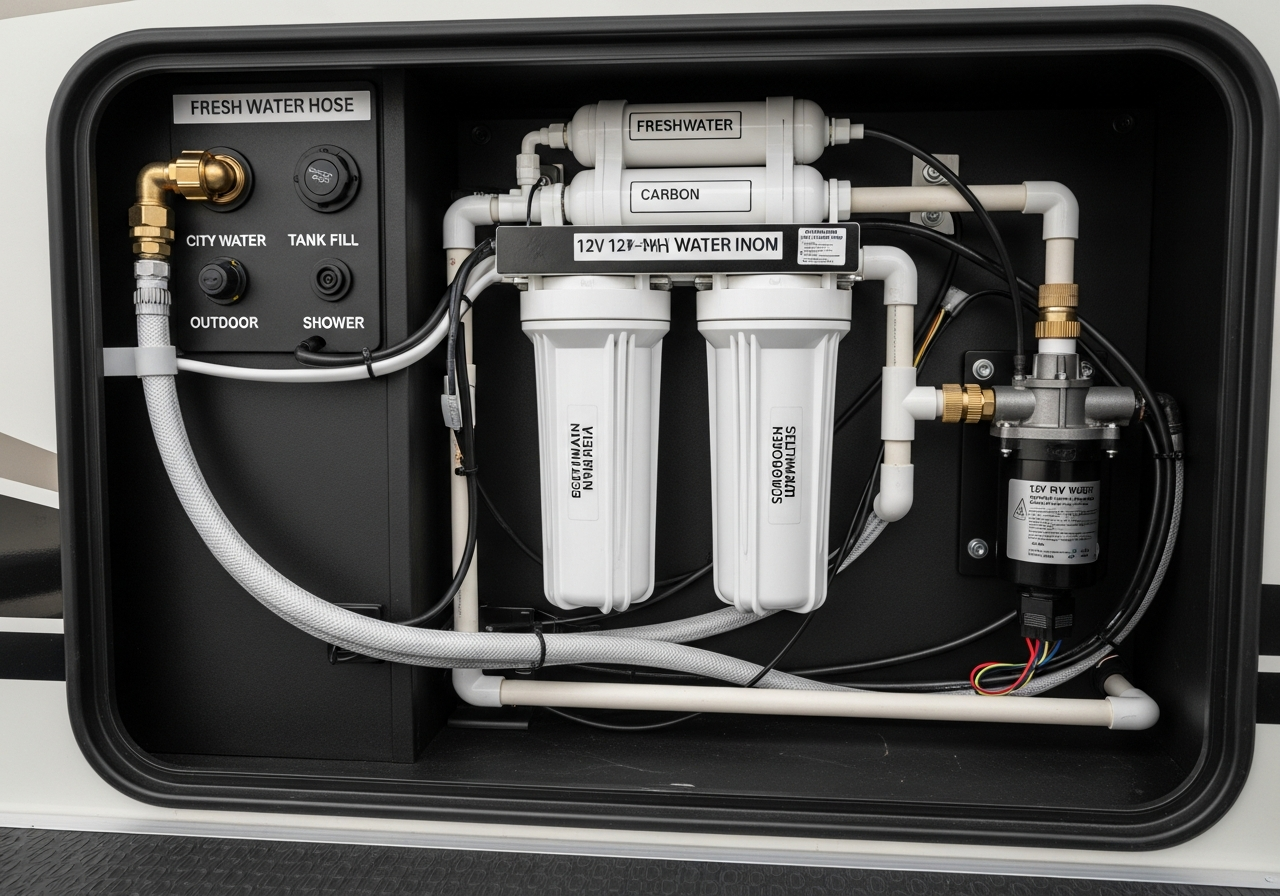
- Hoses and hookups
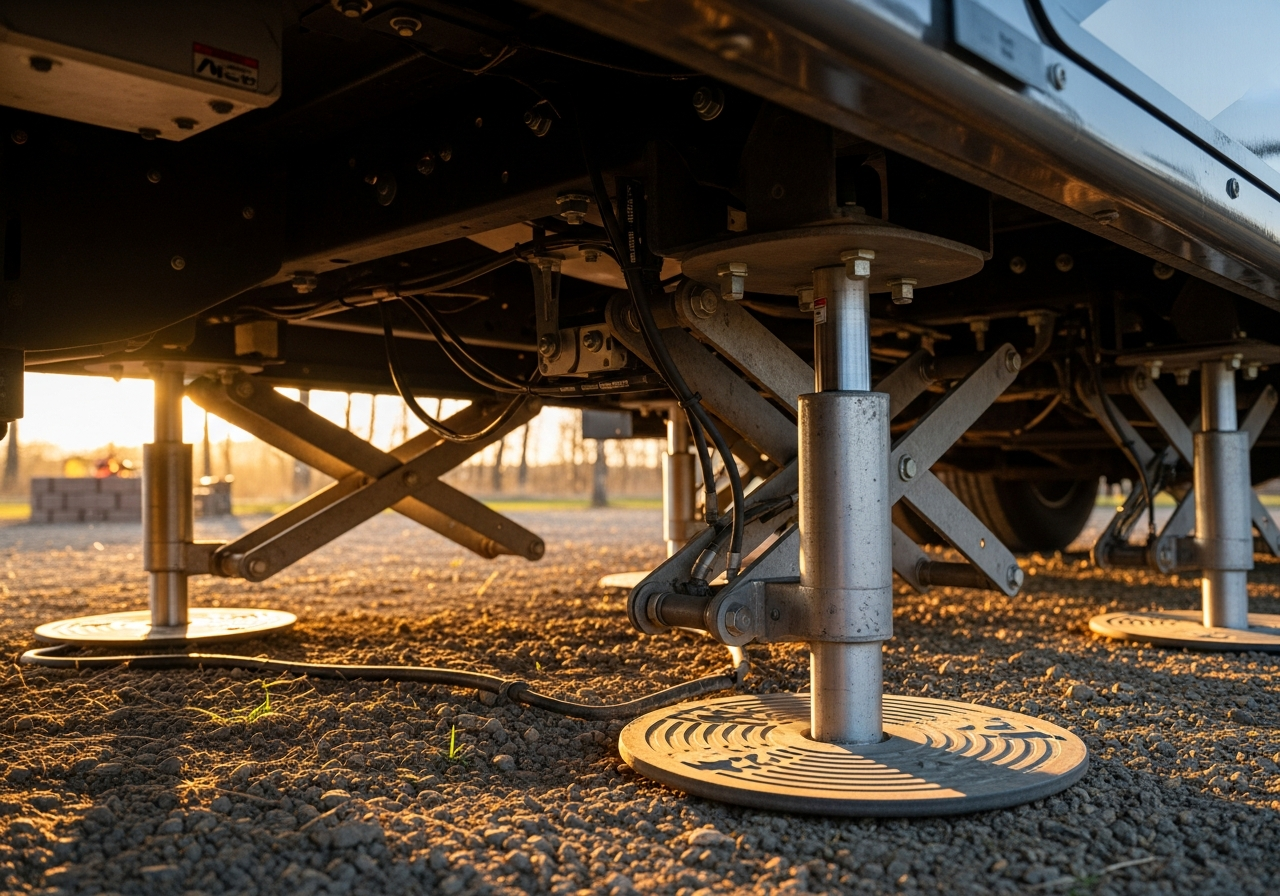
- Leveling gear
- Tools
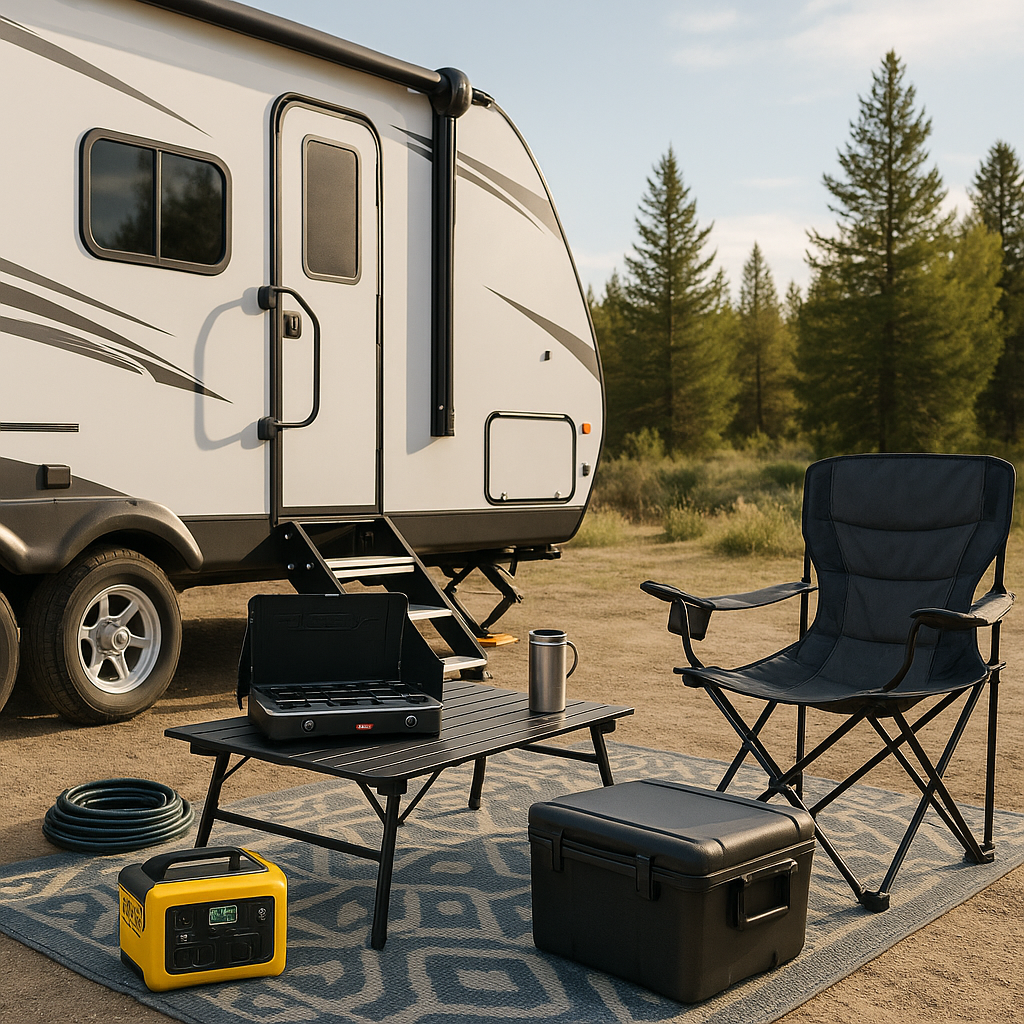
- Outdoor mats and chairs
- Weather-specific equipment
Important caution
Balance weight side to side when possible, and avoid packing all heavy gear into one compartment. Moisture-resistant bins help protect contents from road grime and dampness.
Troubleshooting Common RV Storage Problems
Even a good system needs adjustments. Use these diagnostic steps when storage starts failing.
1. Problem: Cabinets keep getting messy
Diagnostic steps:
- Check whether too many items are stored in one cabinet.
- Look for categories mixed together.
- See whether frequently used items are buried behind rarely used ones.
Solutions:
- Remove 20 to 30 percent of the contents.
- Group like items together.
- Move daily-use items to the front or lower shelves.
- Add simple bins so small items do not spread out.
2. Problem: Items shift or fall during travel
Diagnostic steps:
- Inspect cabinet latches and shelf liners.
- Check whether heavy items are stored high up.
- Review whether fragile items are packed loosely.
Solutions:
- Reposition heavy items into lower cabinets.
- Use dividers or soft barriers between breakables.
- Replace worn latches and secure loose hardware.
- Avoid overstuffing compartments so doors can close fully.
3. Problem: Basement compartments smell musty
Diagnostic steps:
- Remove all contents and inspect for damp items.
- Check seals, compartment doors, and flooring for leaks.
- Look for mold, mildew, or standing water.
Solutions:
- Dry the compartment completely before repacking.
- Use moisture control methods appropriate for RV storage areas.
- Replace wet cardboard with sealed bins.
- Repair leaks promptly to prevent recurring damage.
4. Problem: You cannot find what you need
Diagnostic steps:
- Review whether items were stored by category.
- Check for unlabeled bins.
- Notice if one item type is split across multiple zones.
Solutions:
- Consolidate each category into one primary location.
- Label containers clearly.
- Keep a simple inventory note for rarely used supplies.
5. Problem: The RV feels cramped all the time
Diagnostic steps:
- Identify flat surfaces covered with daily clutter.
- Check whether decorative or sentimental items exceed available space.
- Assess whether too many backups are being stored.
Solutions:
- Clear counters completely and keep only essentials out.
- Limit visible items to a few functional pieces.
- Reduce duplicate supplies and rotate consumables more often.
Maintenance Guide for RV Storage Systems
Storage is not a one-time project. Full-time living requires regular resets.
Weekly storage maintenance
- Put loose items back in their assigned homes.
- Wipe shelves and check for crumbs or spills.
- Toss expired food and empty packaging.
- Return outdoor gear to exterior compartments after use.
- Do a five-minute counter reset before travel days.
Monthly storage maintenance
- Open every major cabinet and compartment.
- Check for leaks, pests, and loose hardware.
- Reassess clothing, pantry stock, and cleaning supplies.
- Donate or discard anything no longer used.
- Confirm heavy items are still secured properly.
Seasonal storage checklist
Spring
- Rotate out winter clothing and bedding.
- Inspect exterior compartments for moisture from cold-weather travel.
- Deep-clean pantry and fridge zones.
Summer
- Remove heat-sensitive items from hot storage areas.
- Check ventilation around stored electronics and batteries.
- Reduce extra blankets and bulky cold-weather gear.
Fall
- Bring in cool-weather clothing gradually instead of all at once.
- Inspect seals and compartment gaskets before wet weather.
- Reorganize outdoor gear for shorter days and changing conditions.
Winter
- Protect liquids and supplies that can freeze.
- Reduce condensation risk by checking damp-prone storage zones often.
- Keep emergency cold-weather gear accessible, not buried.
How to Keep Clutter from Coming Back
Long-term success depends on habits, not just containers.
Simple rules we recommend
- One in, one out for clothing and kitchen tools
- Buy consumables in realistic quantities
- Review mail and paper immediately
- Keep countertops mostly clear
- Revisit one storage zone each week
A useful standard is this: if we would not choose to pack an item again today, it probably should not stay in the RV.
Building a Storage System That Fits Your Travel Style
There is no perfect universal layout for full-time RV living. A couple working remotely will store differently than a family with kids or a solo traveler who spends more time outdoors. The right system reflects how you actually live, not how you imagine you might live someday.
When we researched successful full-time RV organization habits, the common pattern was simple: keep less, group items logically, review storage often, and stay honest about what gets used. That approach saves time, reduces stress, and makes the RV feel more livable every day.
Key Takeaways
- Full-time RV storage works best when every item has a clear purpose and a dedicated home.
- Keep daily-use, multi-use, and safety items; ditch duplicates, bulky rarely used gear, and paper clutter.
- Store heavy items low, distribute weight carefully, and avoid blocking vents or access panels.
- Troubleshoot recurring mess by reducing volume, improving categories, and labeling storage zones.
- Maintain your system with weekly resets, monthly inspections, and seasonal rotation checklists.
- The goal is not to fit more into the RV. The goal is to make full-time living safer, easier, and more comfortable.