What to Do When Your RV Breaks Down on the Highway

Salem Hassan founded Travelcamp RV and brings 30+ years of hands-on RV, marine, and powersports retail experience to every review.
✎ Reviewed by Salem Hassan — Founder, Travelcamp RV · 30+ years in RV, marine, and powersports retail
Why trust us
ShopRVGear articles are researched by the Searchshop Editorial team using manufacturer specs, RV trade sources, and owner feedback. We match every recommendation to your RV class — Class A, B, C, fifth-wheel, or travel trailer — because gear that works in a 40-ft motorhome often does not fit a Class B van. We may earn a commission on qualifying purchases; it does not change what we recommend.
What to Do When Your RV Breaks Down on the Highway
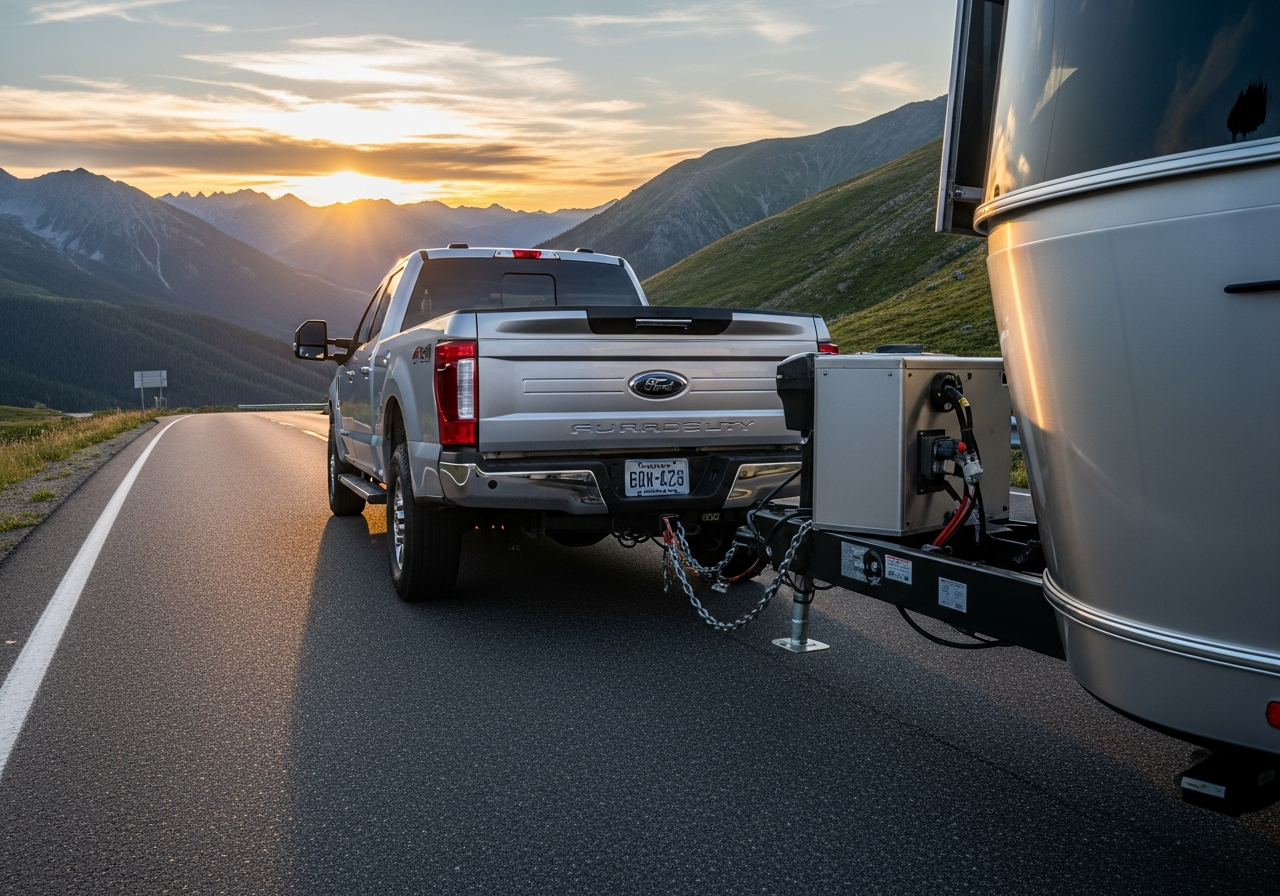
If you’re searching for what to do rv breakdown on highway, the most important first step is to protect yourself, your passengers, and other drivers. An RV failure at highway speed can feel overwhelming, but a calm, methodical response makes a major difference. We researched best practices from roadside safety guidance, RV maintenance standards, and common owner experiences to build this practical guide. Below, we’ll walk through exactly what to do, how to troubleshoot common issues, and how to reduce the odds of another breakdown.
Stay Calm and Put Safety First

When an RV starts losing power, shaking, overheating, or showing warning lights, our first priority should always be getting out of active traffic safely.
1. Ease Off the Accelerator and Avoid Sudden Moves
Do not slam on the brakes unless you must avoid an immediate hazard. Instead:
- Grip the wheel firmly.
- Take your foot off the accelerator.
- Turn on your hazard flashers right away.
- Scan mirrors and surrounding lanes.
- Steer gradually toward the shoulder or nearest safe exit.
Safety tip: Large motorhomes, travel trailers, and fifth wheels can sway or pull unpredictably during a tire failure or suspension issue. Sudden steering corrections can make the situation worse.
2. Stop in the Safest Available Location
The best place to stop is:
- A wide shoulder well away from traffic
- An off-ramp or rest area
- A parking lot or service station if you can reach one safely
Try to avoid stopping:
- On a curve
- Just past a hill crest
- On a narrow bridge
- In soft dirt where the RV may sink or lean
If possible, position the RV so passengers can exit on the side away from traffic.
3. Secure the Scene Before You Investigate
Once stopped:
- Put the transmission in park.
- Set the parking brake.
- Shut off the engine if appropriate.
- Keep hazard lights on.
- Put on a reflective vest if you have one.
- Exit carefully, preferably on the side away from moving vehicles.
If road conditions are dangerous, stay inside with seat belts on until help arrives. This is often safer than standing near fast-moving traffic.
Step-by-Step: What to Do Immediately After an RV Breakdown
1. Check for Immediate Danger
Before diagnosing anything, look for urgent hazards:
- Smoke from the engine or wheels
- Fuel smell
- Flames or sparks
- Coolant or oil pouring out
- Traffic too close for safe exit
Solution: If you see fire, heavy smoke, or fuel leakage, move everyone far from the RV and call 911 first, then roadside assistance.
2. Make Your RV More Visible
Visibility is critical, especially at night or in bad weather.
- Turn on hazard lights.
- Set out reflective triangles or flares if it is safe to do so.
- Place warning devices behind the RV at increasing distances, based on road conditions.
Safety tip: Never walk into traffic lanes to place markers. If the shoulder is too narrow, skip this step and wait for professional help.
3. Assess Whether You Can Troubleshoot Safely
Ask these questions:
- Is the shoulder wide enough?
- Is traffic moving fast beside you?
- Is weather making visibility poor?
- Do you know the likely problem?
Solution: If conditions are unsafe, do not crawl under the RV or attempt roadside repairs. Call for assistance.
4. Contact the Right Help
Have this information ready:
- Your exact location or nearest mile marker
- RV type and length
- Whether you are towing a vehicle or trailer
- The problem symptoms
- Whether the RV is blocking traffic
Call in this order as needed:
- Emergency services if there is danger
- Your roadside assistance provider
- Your insurance company if a tow or accident is involved
- A mobile RV technician or local repair shop
5. Document the Situation
Take photos of:
- Dashboard warning lights
- Tire damage
- Fluid leaks
- Roadside position
- Any impact damage
This helps with repair discussions, warranty claims, and insurance documentation.
Troubleshooting Common RV Breakdown Problems

Not every highway breakdown has the same cause. Below are the most common issues and what we recommend checking first.
1. Blowout or Flat Tire
Symptoms: Sudden bang, pulling to one side, flapping sound, vibration.
Diagnostic steps:
- Keep both hands on the wheel.
- Do not brake hard.
- Slow down gradually and pull over.
- Inspect all tires visually once stopped safely.
Solutions:
- If you have a damaged tire on a heavy RV, roadside tire service is usually the safest option.
- If you are towing, inspect the trailer tires too. A trailer blowout can damage wiring, skirting, or plumbing.
- Do not continue driving on a shredded tire unless moving a very short distance is necessary to avoid immediate danger.
2. Engine Overheating
Symptoms: Temperature gauge rising, steam, warning light, loss of power.
Diagnostic steps:
- Turn off the air conditioner.
- Turn on the heater to pull heat from the engine if conditions allow.
- Pull over and shut down the engine.
- Wait for the engine to cool completely before opening anything.
Solutions:
- Check coolant level only after the system cools.
- Look for visible hose leaks or a broken belt.
- If coolant is low and you have the correct type, top off carefully.
- If overheating returns quickly, call for a tow rather than risking engine damage.
Safety tip: Never remove a hot radiator cap.
3. Dead Battery or Electrical Failure
Symptoms: No start, dim lights, clicking sound, dead dash electronics.
Diagnostic steps:
- Check whether house batteries or chassis battery are affected.
- Inspect battery terminals for looseness or corrosion.
- Confirm the battery disconnect switch has not been turned off.
- Check main fuses or breakers if accessible.
Solutions:
- Tighten loose terminals if safe to do so.
- Jump-start only if your RV manufacturer permits it and you know the correct procedure.
- If the alternator may have failed, a jump may start the engine but won’t solve the charging problem. Head directly to service if the RV runs.
4. Brake Problems
Symptoms: Soft pedal, grinding, burning smell, poor stopping power.
Diagnostic steps:
- Pull over immediately.
- Check for smoke or extreme heat around wheels.
- Look for fluid leaks under the braking system area.
Solutions:
- Do not continue driving with compromised brakes.
- If a trailer brake controller is involved, check the controller connection and trailer plug.
- Call for towing or professional roadside support.
5. Transmission or Drivetrain Trouble
Symptoms: Slipping, refusal to shift, warning lights, clunking, loss of movement.
Diagnostic steps:
- Stop in a safe area.
- Check for transmission fluid leaks.
- Note any warning messages.
- Restart only if the manual suggests it and conditions are safe.
Solutions:
- Low fluid, overheating, or internal faults can all cause drivability issues.
- Avoid forcing the RV to move if it will not engage properly.
- Arrange towing to a shop that can handle RV size and weight.
What to Keep in Your RV Emergency Kit
A breakdown is easier to manage if we prepare ahead of time. We recommend carrying:
- Reflective triangles
- Flashlight and extra batteries
- Reflective vest
- Work gloves
- Tire pressure gauge
- Basic hand tools
- Wheel chocks
- Drinking water
- Phone charger or power bank
- Roadside assistance and insurance information
- Spare fuses
- Coolant and engine fluids approved for your RV
- First-aid kit
How to Prevent Future Highway Breakdowns
Routine maintenance is the best defense against being stranded.
Pre-Trip Inspection Steps
Before every travel day:
- Check tire pressure when tires are cold.
- Inspect tread, sidewalls, and valve stems.
- Confirm lug nuts are properly torqued if recently serviced.
- Check engine oil, coolant, brake fluid, and transmission fluid where applicable.
- Test headlights, brake lights, turn signals, and hazard flashers.
- Verify mirrors are adjusted.
- Confirm awnings, steps, storage doors, and antennas are secured.
- Check hitch components, safety chains, breakaway cable, and trailer plug if towing.
- Look underneath for fresh leaks.
- Review dashboard warning lights before merging onto the highway.
Seasonal Maintenance Checklist
Spring
- Inspect tires for age cracking after winter storage.
- Test batteries and clean terminals.
- Check belts and hoses for wear.
- Inspect roof seals and exterior seams.
- Verify brakes are operating smoothly before long trips.
Summer
- Monitor coolant system performance closely.
- Watch tire pressures as heat rises.
- Inspect air conditioning load on the engine during climbs.
- Check generator ventilation and service intervals.
Fall
- Inspect lights as daylight hours shorten.
- Check wiper blades and washer fluid.
- Service heating systems.
- Review towing and brake components before holiday travel.
Winter
- Test battery condition, since cold weather reduces cranking power.
- Use seasonally appropriate fluids.
- Check tire pressure more often in cold conditions.
- Winterize water systems if storing the RV.
- Cover or store emergency gear where it remains accessible.
When to Call a Professional Instead of DIY
Some roadside fixes are reasonable, but many RV problems are not worth the risk on a highway shoulder. We recommend calling a professional when:
- The RV is unstable or leaning
- Traffic conditions are dangerous
- You suspect brake, steering, or suspension failure
- There is a fuel leak or heavy fluid loss
- You smell burning electrical components
- The repair requires getting under the RV
- You are not fully confident in the diagnosis
A large RV is different from a passenger car. Weight, height, towing equipment, and specialized systems make roadside repairs more complex.
Final Thoughts
An RV breakdown on the highway is stressful, but the right response is straightforward: get safe, make the RV visible, assess the risk, troubleshoot only when conditions allow, and call qualified help when needed. We researched the most common roadside scenarios and one pattern stands out: preparation matters as much as reaction. A solid emergency kit, regular inspections, and seasonal maintenance can turn a major travel disruption into a manageable delay.
Key Takeaways
- Safety comes first: slow down gradually, use hazard flashers, and stop in the safest location available.
- Do not attempt roadside repairs if traffic, weather, or RV position makes the scene unsafe.
- Common breakdown causes include tire failures, overheating, battery issues, brake trouble, and drivetrain problems.
- Document warning lights, leaks, and damage before calling roadside assistance or a repair shop.
- Preventive maintenance, pre-trip inspections, and seasonal checklists reduce the risk of future highway breakdowns.