RV Roadside Emergency Kit: 15 Items That Could Save Your Trip

Salem Hassan founded Travelcamp RV and brings 30+ years of hands-on RV, marine, and powersports retail experience to every review.
✎ Reviewed by Salem Hassan — Founder, Travelcamp RV · 30+ years in RV, marine, and powersports retail
Why trust us
ShopRVGear articles are researched by the Searchshop Editorial team using manufacturer specs, RV trade sources, and owner feedback. We match every recommendation to your RV class — Class A, B, C, fifth-wheel, or travel trailer — because gear that works in a 40-ft motorhome often does not fit a Class B van. We may earn a commission on qualifying purchases; it does not change what we recommend.
RV Roadside Emergency Kit: 15 Items That Could Save Your Trip
If you travel long enough, roadside problems stop being a possibility and start becoming part of RV life. That is why building a practical set of rv roadside emergency kit essentials matters before you leave the driveway. We researched the most common breakdowns, delays, and roadside hazards RVers face, and the goal is simple: carry the gear that helps you stay safe, diagnose basic problems, and keep a minor issue from ruining the entire trip.
A good emergency kit is not just for major breakdowns. It also helps with flat tires, dead batteries, overheating, poor visibility, power issues, and unexpected overnight stops. Below, we break down the 15 items we recommend, how to use them safely, and how to maintain your kit season after season.
Why Every RV Needs a Roadside Emergency Kit

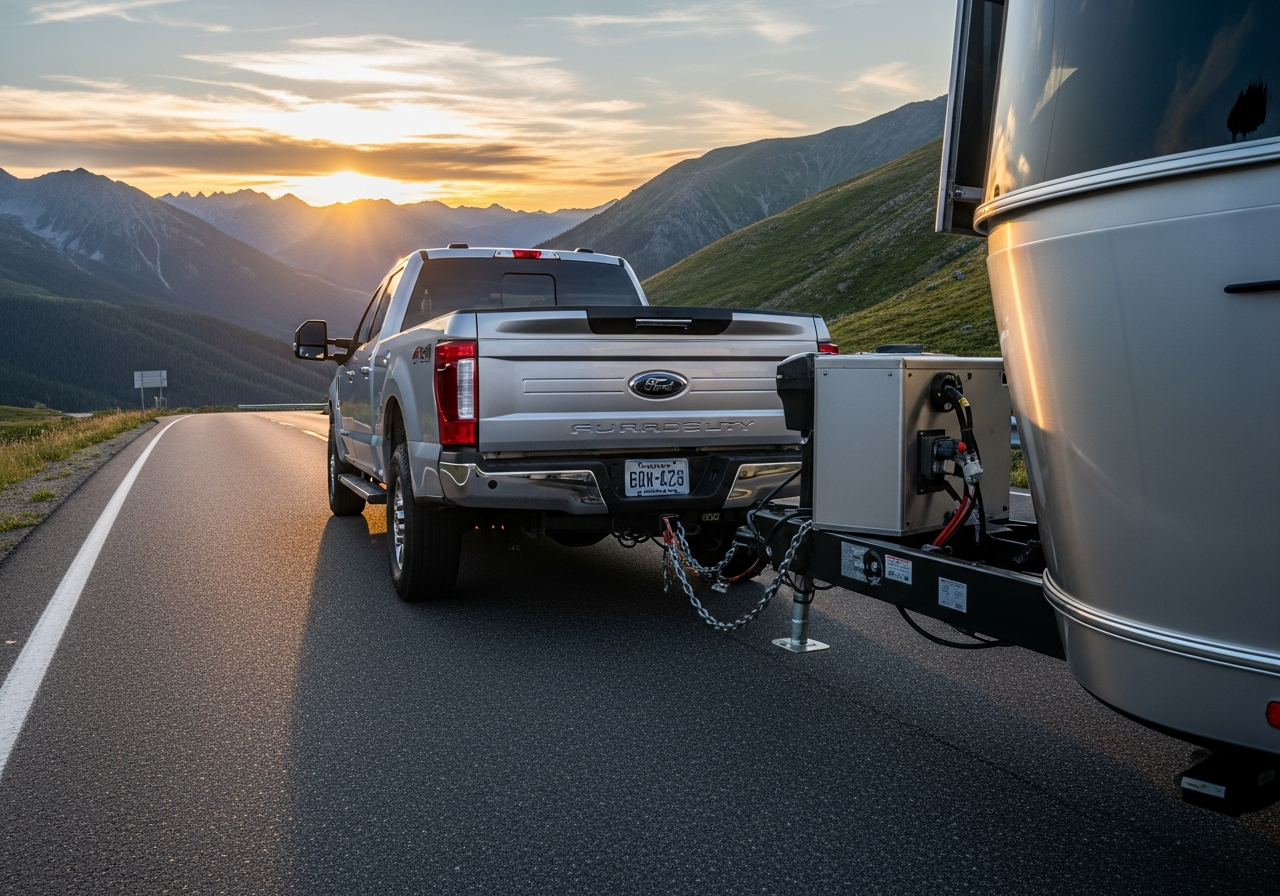
RVs place more demands on tires, batteries, brakes, and cooling systems than a typical passenger vehicle. They are heavier, harder to maneuver, and often travel through remote areas where help may take longer to arrive. A roadside emergency kit helps in three ways:
- It improves safety while you wait for assistance.
- It allows basic troubleshooting so you can explain the problem clearly.
- It may help you solve a minor issue without ending your trip.
The key is balance. We recommend carrying gear that is genuinely useful, easy to store, and realistic for most owners to use without advanced mechanical training.
The 15 RV Roadside Emergency Kit Essentials
1. Reflective Warning Triangles or Road Flares
Your first job during a roadside stop is visibility. Reflective triangles alert other drivers that your RV is disabled ahead.
Why it matters: Large RVs can block sightlines, especially at night, in rain, or on curves.
Safety tip: Place warning devices well behind the RV, following local guidelines and road conditions. If you are on a high-speed roadway, move as far off the shoulder as possible before exiting.
2. High-Visibility Safety Vest
A bright reflective vest makes you easier to see when checking tires, setting out triangles, or speaking with roadside assistance.
Why it matters: RV breakdowns often happen in low light or poor weather.
3. Flashlight and Headlamp
A handheld flashlight is useful, but a headlamp keeps both hands free.
Why it matters: You may need to inspect a wheel well, battery compartment, hitch area, or engine bay after dark.
What to include: Extra batteries or a rechargeable backup.
4. Heavy-Duty Work Gloves
Gloves protect your hands from hot surfaces, sharp edges, and dirty components.
Why it matters: Even simple tasks like checking a spare tire, moving debris, or handling jumper cables are safer with gloves.
5. Tire Pressure Gauge
Tire problems are among the most common RV issues. A reliable gauge helps you verify pressure instead of guessing.
Why it matters: Underinflation can lead to poor handling, heat buildup, and blowouts.
6. Portable Air Compressor
A portable compressor can help top off a low tire enough to reach a safer service location, if the tire is otherwise intact.
Safety tip: Never drive on a damaged tire just because it accepts air. If the sidewall is cut, the tread is separating, or the tire has failed, call for professional help.
7. Lug Wrench and Correct Sockets
Many RV owners assume the factory tools are enough. Often, they are not. Make sure you have the right size tools for your RV or trailer wheel lugs.
Why it matters: If you cannot loosen the lug nuts, a spare tire does not help much.
8. Hydraulic Bottle Jack or RV-Rated Jack
A jack must be rated appropriately for your rig and compatible with manufacturer lifting points.
Safety tip: Never crawl under an RV supported only by a jack. Use it only as intended and only on stable ground.
9. Wheel Chocks
Wheel chocks prevent rolling while you inspect or stabilize the RV.
Why it matters: On uneven ground, even a slight shift can create a dangerous situation.
10. Jumper Cables or a Battery Jump Starter
Dead chassis batteries and weak starting batteries are common after storage, cold nights, or accessory drain.
Why it matters: A jump starter can be especially useful when another vehicle is not positioned safely to help.
11. Basic Tool Kit
Include screwdrivers, pliers, adjustable wrenches, socket set, utility knife, and electrical tape.
Why it matters: Loose battery terminals, hose clamps, access panels, and small fasteners can often be addressed with basic tools.
12. Spare Fuses and Electrical Test Light or Multimeter
Electrical problems can disable lights, steps, appliances, or charging systems.
Why it matters: A blown fuse is simple to fix if you have the right replacement.
13. Duct Tape, Zip Ties, and Hose Repair Tape
Temporary repairs matter when you are trying to secure a loose panel, bundle wiring, or slow a minor hose issue until proper service.
Important note: These are short-term fixes, not substitutes for real repairs.
14. First Aid Kit and Emergency Medications
Not every roadside emergency is mechanical. Cuts, strains, insect bites, and dehydration happen too.
What to include: Bandages, antiseptic, pain relievers, allergy medication, and any personal prescriptions.
15. Water, Nonperishable Snacks, and Emergency Blanket
If you are stranded in heat, cold, or a remote area, comfort supplies become safety supplies.
Why it matters: Roadside waits can last hours, especially for larger rigs that require specialized towing.
How to Build and Organize Your Kit

Step-by-Step Setup
Choose one dedicated storage bin.
Use a durable, clearly labeled container so emergency items are not scattered throughout the RV.Separate safety gear from repair gear.
Keep triangles, vest, flashlight, and gloves on top or in an outer compartment for quick access.Match tools to your RV.
Verify lug sizes, jack capacity, battery type, and fuse ratings before your trip.Add documentation.
Include insurance details, roadside assistance numbers, registration copies, and a list of tire pressures and torque specs.Store water-resistant items properly.
Use sealed bags for batteries, first aid supplies, and paperwork.Do a practice run at home.
We recommend learning where your jack points are, how to access the spare, and how to use your compressor before an actual emergency.
Safety Tips for Roadside Stops
- Pull as far off the roadway as possible.
- Turn on hazard lights immediately.
- Exit on the side away from traffic when possible.
- Do not attempt repairs if traffic, weather, or terrain make it unsafe.
- If you feel unsure, stay inside the RV or in a safe area and wait for professional help.
Troubleshooting Common RV Roadside Problems
1. Flat Tire or Rapid Air Loss
Diagnostic Steps
Look for obvious tire damage.
Check for shredded tread, sidewall bulges, nails, or a tire sitting visibly low.Measure pressure if safe to do so.
Use your gauge to confirm whether it is a slow leak or a major failure.Inspect nearby components.
Look for wheel well damage, loose trim, or torn wiring after a blowout.
Solutions
- If pressure is only slightly low and the tire is otherwise sound, use the compressor to inflate it and proceed cautiously to service.
- If the tire is damaged, install the spare only if you can do so safely and your RV manufacturer permits roadside wheel changes.
- If conditions are unsafe or the RV is too heavy for your equipment, call roadside assistance.
2. Dead Battery
Diagnostic Steps
Check for loose or corroded terminals.
A poor connection can mimic a dead battery.Test lights and accessories.
Dim or nonworking electronics often point to low voltage.Confirm battery switch position if equipped.
Some no-start situations come down to an incorrect disconnect setting.
Solutions
- Tighten loose terminals with basic tools.
- Use jumper cables or a jump starter according to the battery and vehicle instructions.
- If the battery repeatedly dies, have the charging system checked before continuing a long trip.
3. Electrical Accessory Failure
Diagnostic Steps
Identify what stopped working.
Is it one light, one outlet, or several systems?Check the fuse panel.
Look for a blown fuse matching the failed circuit.Use a test light or multimeter.
Confirm whether power is reaching the circuit.
Solutions
- Replace blown fuses only with the correct amperage.
- Secure loose wiring if visible and safe to access.
- If fuses continue to blow, stop troubleshooting and seek service to avoid further damage.
4. Minor Hose or Loose Component Issue
Diagnostic Steps
Locate the source carefully.
Look for drips, loose clamps, or hanging panels.Check temperature first.
Never touch hot engine or cooling components immediately after stopping.Assess whether the issue is structural or temporary.
A loose panel is different from a leaking brake component.
Solutions
- Use zip ties or tape only for temporary securing of noncritical items.
- Tighten accessible clamps or fasteners if appropriate.
- Do not attempt temporary repairs on brakes, steering, propane lines, or severe coolant leaks.
Seasonal Maintenance Guide for Your Emergency Kit
A roadside kit is only useful if everything still works when you need it.
Spring Checklist
- Check flashlight and headlamp batteries.
- Inspect first aid supplies for expired items.
- Test the air compressor and jump starter.
- Verify spare tire pressure.
- Restock water and snacks.
Summer Checklist
- Replace heat-damaged bottled water or medications.
- Inspect tape, adhesives, and gloves for wear.
- Confirm cooling-related tools and fluids are accessible.
- Review tire pressures more frequently during hot-weather travel.
Fall Checklist
- Add extra layers or cold-weather gloves.
- Check emergency blankets and rain gear.
- Inspect warning triangles for cracks or missing reflectors.
- Review battery condition before colder temperatures arrive.
Winter Checklist
- Replace or recharge batteries more often.
- Keep de-icer and a small snow brush if traveling in freezing regions.
- Protect water and medications from freezing.
- Confirm your jack and tools are accessible even with packed storage compartments.
Step-by-Step Monthly Kit Inspection
- Open the kit and remove every item.
- Check expiration dates, battery charge, and visible damage.
- Test powered items like flashlights, compressors, and jump packs.
- Repack by priority, with safety items easiest to reach.
- Update your emergency contact sheet if policies or phone numbers changed.
Final Thoughts
The best RV emergency kit is not the biggest one. It is the one that matches your rig, your travel style, and your ability to use it safely. We researched these recommendations to focus on realistic roadside needs, not just a long list of gear. If you prepare in advance, learn the basics of your RV, and keep your kit maintained, you will be in a much better position when something unexpected happens.
Key Takeaways
- A smart RV roadside kit should prioritize visibility, tire care, battery support, basic tools, and personal safety supplies.
- The most important rv roadside emergency kit essentials are the items you can access quickly and use confidently.
- Troubleshooting starts with safety: get off the road, stay visible, and avoid repairs beyond your skill level.
- Seasonal and monthly checks help ensure your kit works when you need it.
- Temporary fixes can help in minor situations, but serious tire, brake, steering, propane, or electrical issues require professional service.