RV Insurance and Roadside Assistance: What You Need and What to Skip

Salem Hassan founded Travelcamp RV and brings 30+ years of hands-on RV, marine, and powersports retail experience to every review.
✎ Reviewed by Salem Hassan — Founder, Travelcamp RV · 30+ years in RV, marine, and powersports retail
Why trust us
ShopRVGear articles are researched by the Searchshop Editorial team using manufacturer specs, RV trade sources, and owner feedback. We match every recommendation to your RV class — Class A, B, C, fifth-wheel, or travel trailer — because gear that works in a 40-ft motorhome often does not fit a Class B van. We may earn a commission on qualifying purchases; it does not change what we recommend.
RV Insurance and Roadside Assistance: What You Need and What to Skip
If you are shopping for coverage before your next trip, this rv insurance roadside assistance guide can help you separate the essentials from the expensive extras. We researched how RV policies and roadside plans work for motorhomes, travel trailers, fifth wheels, and camper vans, and the biggest lesson is simple: the right protection depends on how you use your rig. Full-timers, weekend campers, and occasional renters do not need the exact same policy or assistance plan.
Why RV Coverage Is Different From Auto Coverage
An RV is not just a larger car. It can be a vehicle, a living space, and a storage unit all at once. That means standard auto insurance often leaves important gaps.
For example, RV owners may need protection for:
- Physical damage to the rig
- Personal belongings kept inside
- Liability while parked at a campsite
- Emergency expenses if the RV becomes unlivable
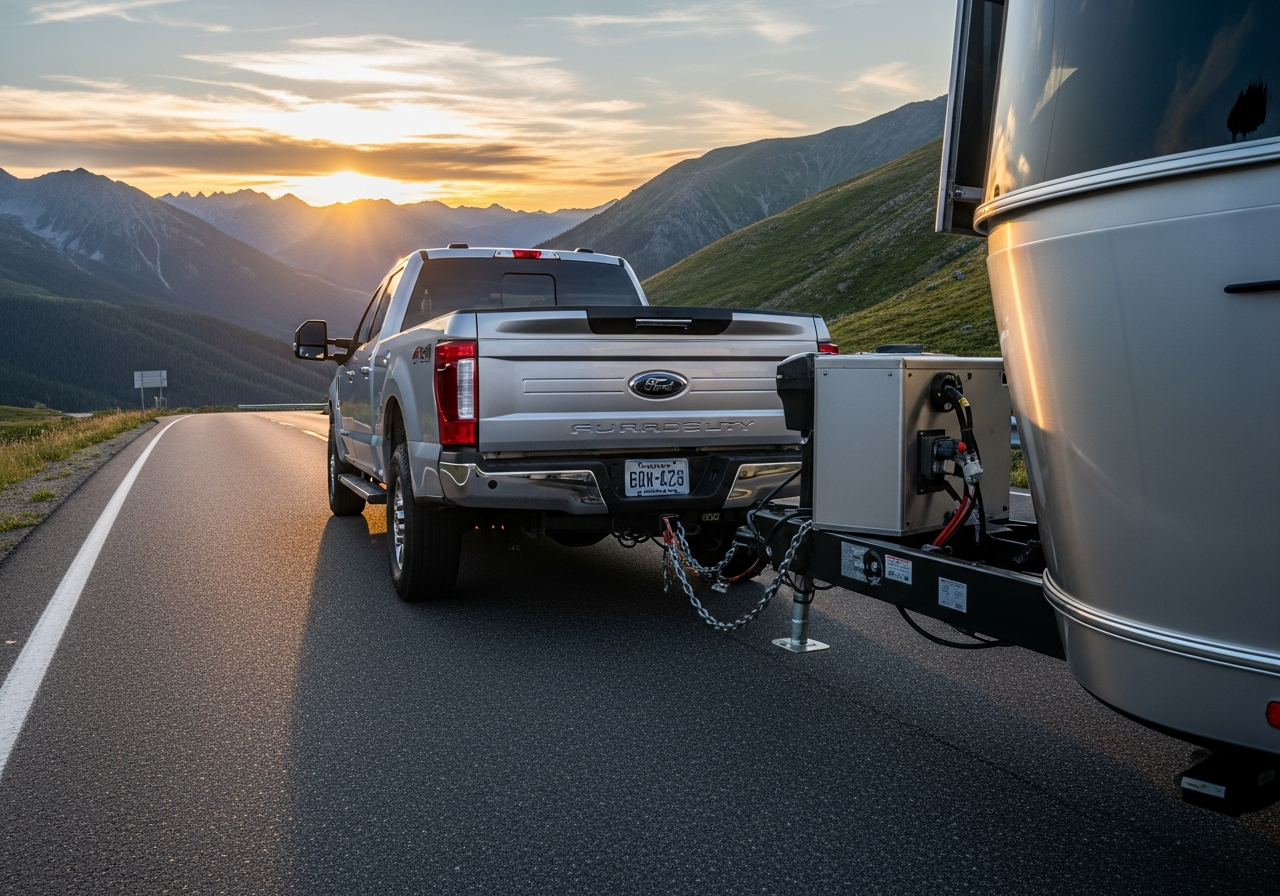
- Specialized towing and recovery
- Trailer-specific issues such as tire blowouts or axle problems
We recommend reviewing both your insurance policy and your roadside assistance membership together. Many owners assume one covers what the other excludes, but that is not always true.
What RV Insurance You Actually Need
Liability Coverage
Liability is the non-negotiable foundation. If you cause injury or property damage, this is the coverage that protects you financially. State minimums are often too low for RV owners, especially with larger Class A and Class C motorhomes.
We recommend choosing limits based on your total assets and travel habits, not just the legal minimum.
Collision and Comprehensive
Collision pays for damage from crashes. Comprehensive covers non-collision events such as hail, fire, theft, vandalism, falling branches, and animal strikes. If your RV has significant value, these coverages are usually worth keeping.
This matters even more if you store your RV outdoors or travel through storm-prone regions.
Uninsured and Underinsured Motorist Coverage
If another driver hits you and lacks enough insurance, this coverage can fill the gap. It is often overlooked, but it can be very important when repair costs are high.
Personal Effects and Vacation Liability
Many RV owners carry tools, electronics, kitchen gear, bikes, and camping equipment. Personal effects coverage can help protect those items. Vacation liability can apply when the RV is parked and being used like a temporary residence.
These are useful for families who camp often or stay for extended periods.
Full-Timer Coverage
If the RV is your primary residence, standard recreational coverage may not be enough. Full-timer policies usually add broader liability and living-expense protections that resemble homeowners insurance.
Emergency Expense Coverage
If a breakdown or covered loss leaves you stranded, emergency expense coverage may help pay for lodging, meals, or transportation. This can be valuable for long-distance travelers.
What Roadside Assistance Should Include

Heavy-Duty Towing
This is where many plans fall short. A basic auto club membership may not cover the size, weight, or complexity of an RV. We recommend confirming:
- Maximum towing distance
- Whether the plan covers motorhomes and trailers
- Whether heavy-duty wreckers are included
- If towing to the nearest qualified repair facility is covered
Tire Service
RV tire issues are common, and not every roadside provider can handle larger wheels or dual rear setups. Good plans send the right service vehicle and technician. Some plans cover labor only, while others do not include the replacement tire itself.
Battery Jump-Starts and Mobile Mechanic Help
Dead chassis batteries, weak house batteries, and charging-system issues are frequent service calls. A useful plan should provide jump-start service and basic roadside diagnostics.
Lockout, Fuel Delivery, and Winching
These are secondary benefits, but still practical. Fuel delivery matters more than many owners expect, especially in remote areas. Winching can be helpful if you slide off a shoulder or get stuck at a campsite, though exclusions are common.
Trip Interruption or Travel Assistance
Some plans include concierge-style travel support, medical transport coordination, or help arranging lodging. These features are less essential than towing and tire service, but they can be worthwhile for long trips.
What You Can Usually Skip
Not every add-on delivers value. Depending on your RV type and travel style, you may be able to skip:
Duplicate Glass or Belongings Coverage
If your auto, homeowners, or renters policy already covers some of these risks, paying twice may not help. We recommend comparing limits and exclusions before adding more.
Tiny Towing Limits
A low-cost roadside plan with strict towing caps may look attractive but can be nearly useless for a large RV. This is not coverage to buy based on price alone.
Niche Add-Ons You Will Never Use
If you do not travel internationally, boondock in remote terrain, or live full-time in your RV, some specialized endorsements may not be necessary.
Overinsuring an Older Rig
For an older RV with modest market value, high premiums for broad physical damage coverage may not make financial sense. Review the replacement value versus annual premium cost.
How to Choose the Right Coverage
1. Identify How You Use the RV
Start with the basics:
- Determine whether your RV is occasional-use, seasonal, or full-time.
- Estimate annual mileage.
- List where you travel: local campgrounds, long interstate trips, mountain routes, or remote parks.
- Note whether you tow a vehicle or haul expensive gear.
Safety tip: If you routinely travel in remote areas, prioritize towing, tire service, and emergency expense coverage over cosmetic add-ons.
2. Read the Fine Print on Weight and Size Limits
- Confirm your RV class, length, weight, and any trailer dimensions.
- Match those figures against policy and roadside plan exclusions.
- Ask whether attached towed vehicles are covered.
Safety tip: Keep your current vehicle dimensions and VIN in your phone and printed in the glove box. Dispatch goes faster when you can provide exact information.
3. Compare Deductibles and Service Terms
- Review deductibles for collision and comprehensive claims.
- Check whether roadside service is reimbursement-based or dispatch-based.
- Verify service-hour expectations and rural coverage availability.
4. Ask These Questions Before You Buy
- Is my RV covered while parked at a campsite?
- Are personal belongings inside covered?
- Does the roadside plan include heavy-duty towing?
- Are tire changes covered for my exact wheel and tire setup?
- What is excluded under winching or off-road recovery?
- Are pets, lodging, or trip interruption expenses covered?
Troubleshooting Common Roadside Problems
Even with good coverage, it helps to know what to do first.
1. Dead Battery
Diagnostic steps:
- Check whether the engine cranks at all.
- Look for dim dash lights or no power.
- Confirm battery terminals are not loose or heavily corroded.
Likely problem: Weak chassis battery or charging issue.
Solution: If terminal connections are secure and the battery is dead, request a jump-start. If the RV starts but dies again later, schedule charging-system service.
Safety tip: Do not attempt roadside battery work near traffic without reflective triangles and a safe shoulder.
2. Tire Blowout or Flat
Diagnostic steps:
- Pull over gradually and avoid sudden steering input.
- Inspect the damaged tire from a safe distance.
- Check whether you have a usable spare and the correct jack points.
Likely problem: Road hazard, underinflation, overloaded axle, or aging tire.
Solution: Use roadside tire service if the RV is large, the shoulder is narrow, or you are unsure about safe lifting procedures.
3. Engine Overheating
Diagnostic steps:
- Watch for rising temperature gauge readings.
- Turn off the A/C and reduce load if possible.
- Stop safely and allow the engine to cool.
Likely problem: Cooling-system issue, low coolant, fan failure, or heavy load in hot weather.
Solution: Do not remove the radiator cap while hot. Call for assistance if coolant loss is visible or overheating returns immediately.
4. Trailer Sway or Handling Problems
Diagnostic steps:
- Reduce speed gradually.
- Check tire pressure when safe.
- Inspect hitch connection and weight distribution setup.
Likely problem: Improper loading, low tire pressure, crosswinds, or hitch adjustment problems.
Solution: Rebalance cargo, correct tire pressures, and inspect hitch hardware before continuing.
Seasonal Maintenance Guide to Prevent Claims and Breakdowns
Insurance and roadside assistance matter most when prevention fails. We recommend a simple seasonal routine.
Spring Readiness Checklist
- Inspect roof seals, slide seals, and window seals.
- Check tire age, pressure, and tread condition.
- Test chassis and house batteries.
- Inspect brakes, lights, and turn signals.
- Sanitize the fresh-water system.
- Verify registration, insurance cards, and roadside contact info.
Summer Travel Checklist
- Monitor tire pressure before each travel day.
- Check coolant, engine oil, and transmission fluid levels.
- Inspect awnings and exterior attachments.
- Review weight distribution and cargo loading.
- Confirm generator and A/C operation.
Fall Storage Checklist
- Clean the RV inside and out.
- Remove perishables and valuables.
- Top off fuel if recommended by the manufacturer and add stabilizer where appropriate.
- Disconnect or maintain batteries properly.
- Cover tires if stored outdoors.
- Reconfirm comprehensive coverage during storage months.
Winterization Steps
- Drain fresh, gray, and black water systems.
- Bypass the water heater if required.
- Add RV-safe antifreeze according to manufacturer instructions.
- Seal entry points against pests.
- Check that your policy still covers weather, falling objects, and storage-related risks.
Safety tip: Follow your owner’s manual for winterization and de-winterization procedures. Plumbing damage from improper steps can be expensive and may not always be covered.
Common Coverage Mistakes to Avoid
Assuming Auto Roadside Plans Are Enough
A standard car plan may not dispatch the equipment needed for a motorhome or large trailer.
Forgetting About Campsite Liability
If someone is injured around your parked RV, you may need vacation liability or full-timer liability coverage.
Not Updating Coverage After Upgrades
Solar systems, lithium batteries, suspension upgrades, and electronics can change the value of your rig.
Ignoring Storage Risks
Theft, hail, rodents, water intrusion, and falling branches often happen when the RV is parked, not traveling.
Final Thoughts
The best RV protection strategy is not the one with the longest list of add-ons. It is the one that matches your rig, your travel habits, and your risk tolerance. We researched the most common gaps owners face, and the pattern is clear: prioritize liability, physical damage where appropriate, and true RV-capable roadside assistance. Skip duplicate or low-value extras that do not fit how you camp.
Key Takeaways
- Buy RV-specific coverage, not just standard auto insurance.
- Prioritize liability, collision/comprehensive, and uninsured motorist coverage where appropriate.
- Choose roadside assistance with heavy-duty towing and RV-capable tire service.
- Skip duplicate add-ons and weak towing plans with low limits.
- Review coverage differently if you are a full-timer, seasonal traveler, or occasional camper.
- Reduce claims with seasonal inspections, tire care, battery checks, and proper winterization.