RV Safety Rules Every Family Should Establish Before Their First Trip

Salem Hassan founded Travelcamp RV and brings 30+ years of hands-on RV, marine, and powersports retail experience to every review.
✎ Reviewed by Salem Hassan — Founder, Travelcamp RV · 30+ years in RV, marine, and powersports retail
Why trust us
ShopRVGear articles are researched by the Searchshop Editorial team using manufacturer specs, RV trade sources, and owner feedback. We match every recommendation to your RV class — Class A, B, C, fifth-wheel, or travel trailer — because gear that works in a 40-ft motorhome often does not fit a Class B van. We may earn a commission on qualifying purchases; it does not change what we recommend.
RV Safety Rules Every Family Should Establish Before Their First Trip
A family RV trip can be one of the best ways to travel together, but it works best when everyone understands the rules before the wheels start rolling. If you are searching for rv safety rules for children camping, the most important thing to know is this: safety should be taught as a routine, not as a last-minute warning. We researched the most common RV risks for families and found that simple, repeatable rules help prevent many of the problems first-time campers face.
Why Family RV Safety Rules Matter

An RV combines a vehicle, a kitchen, a sleeping space, and an outdoor campsite into one experience. That convenience also creates more opportunities for mistakes. Children may treat the RV like a playroom, while adults may focus on route planning and overlook campsite hazards, towing checks, or fire prevention.
When families set rules in advance, they create consistency. Everyone knows where to sit, what to touch, when to stay back, and how to respond if something goes wrong.
1. Establish Core Safety Rules Before Departure
Before your first trip, hold a short family safety meeting. We recommend keeping the rules simple enough for children to remember and specific enough for adults to enforce.
Essential Rules Every Family Should Agree On
Everyone stays seated and buckled while the RV is moving.
- No walking around.
- No climbing into beds or standing near windows.
- Children should know that the RV is not a play area during travel.
No one exits the RV until an adult says it is safe.
- This is especially important at fuel stations, rest areas, and campsites.
- Children should wait for a parent to check traffic, pets, and ground conditions.
The kitchen is an adult zone during cooking.
- Hot pans, boiling water, propane appliances, and sharp utensils make this one of the highest-risk areas.
Generators, hookups, and utility compartments are off-limits to children.
- These areas may involve electricity, gas, heat, or moving parts.
Every child must know the emergency plan.
- Who to call for help
- Where to meet outside
- What to do if separated
Safety Tip
Create a short printed rule sheet and review it on travel morning. Younger children respond well to visual reminders.
2. Teach Children Campsite Boundaries

One of the most important parts of rv safety rules for children camping is defining where children can and cannot go.
How to Set Safe Campsite Boundaries
Walk the campsite together as soon as you arrive. Show children the safe play area, the road, neighboring sites, water edges, and any steep or rocky ground.
Pick a visible boundary marker. Use a picnic table, fire ring, tree, or corner of the site as the limit.
Explain the “ask first” rule. Children should ask before going to the bathhouse, playground, trail, or another campsite.
Identify no-go zones. These include the fire pit, grill, utility hookups, tow vehicle area, and roads.
Set nighttime rules. No wandering after dark. Children should use a flashlight and tell an adult before leaving the RV.
Safety Tip
Bright clothing, glow bracelets, or reflective tags can make it easier to keep track of children at dusk.
3. Build a Travel-Day Safety Routine
A good routine reduces rushed decisions, missed checks, and preventable accidents.
Step-by-Step Pre-Departure Checklist
Check seat belts and car seats. Make sure every passenger has a safe, legal seating position.
Secure loose items inside the RV. Store small appliances, toys, dishes, and electronics so they cannot shift during braking.
Confirm doors, drawers, and cabinets are latched. Flying objects are a common travel hazard.
Inspect tires and tire pressure. Look for low pressure, visible damage, or uneven wear.
Check mirrors, lights, and cameras. Visibility matters even more in larger vehicles.
Review the route and planned stops. Children should know when breaks are coming so they are less likely to become restless.
Do a final walk-around. Verify steps are in, hookups are disconnected, storage doors are closed, and the campsite is clear.
Safety Tip
Use the same departure sequence every time. Consistency helps prevent skipped steps.
4. Create Fire, Propane, and Carbon Monoxide Rules
RV living involves systems many families do not use daily at home. That means everyone should understand the basics.
House Rules for Fire Safety
- Never leave cooking unattended.
- Keep paper goods and towels away from burners.
- Do not let children play near the stove or campfire.
- Turn off propane when required by your RV manufacturer or campground rules.
- Keep a charged fire extinguisher accessible.
House Rules for Detector Safety
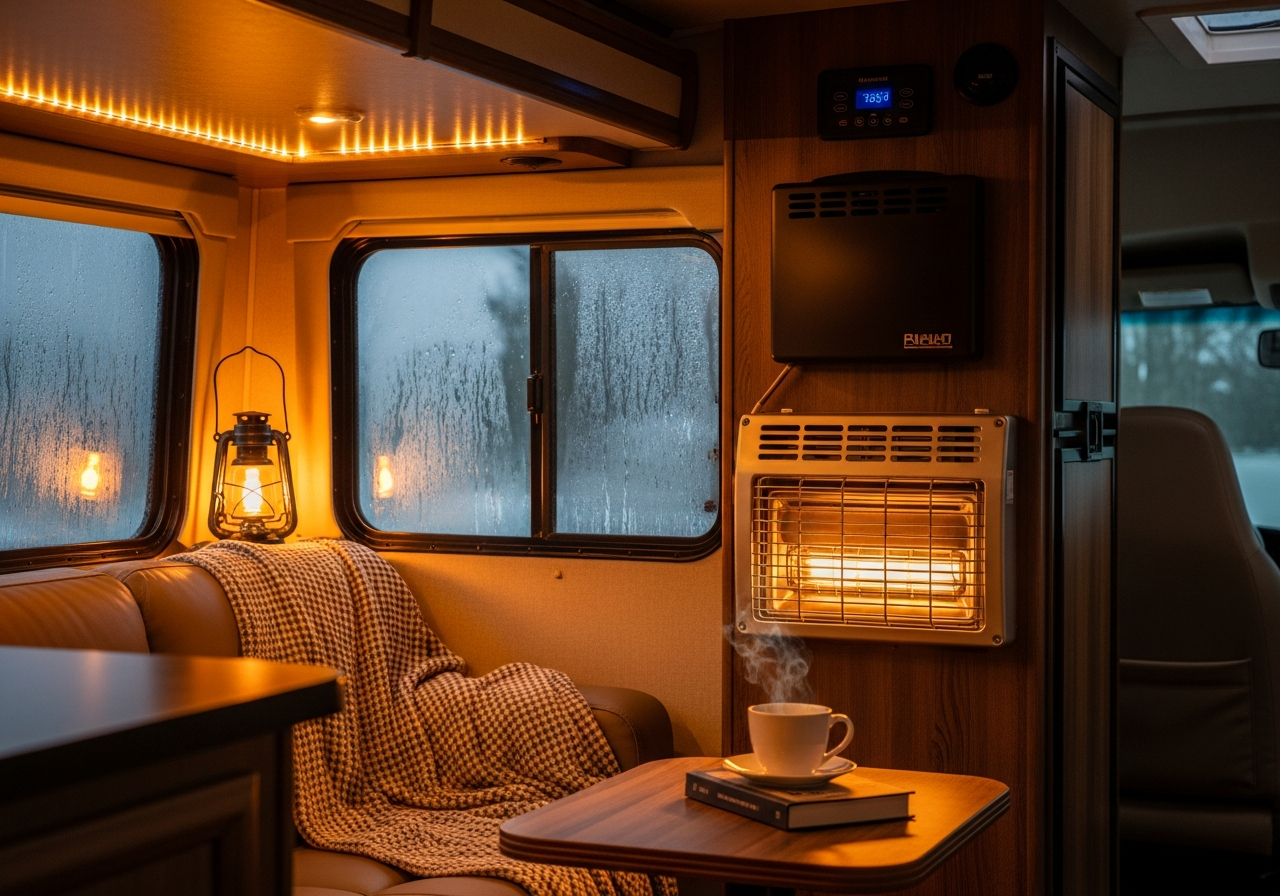
- Test smoke, propane, and carbon monoxide alarms before each trip.
- Replace batteries on schedule.
- Teach children what each alarm sounds like.
- Practice exiting the RV quickly.
Safety Tip
Assign each adult a role during an emergency, such as helping children out, grabbing the phone, or shutting off fuel if safe to do so.
5. Set Water, Bathroom, and Hygiene Rules
Water systems in RVs are convenient, but they require clean habits.
Important Family Hygiene Rules
- Wash hands after using the bathroom, handling pets, or playing outside.
- Drink only from safe water sources.
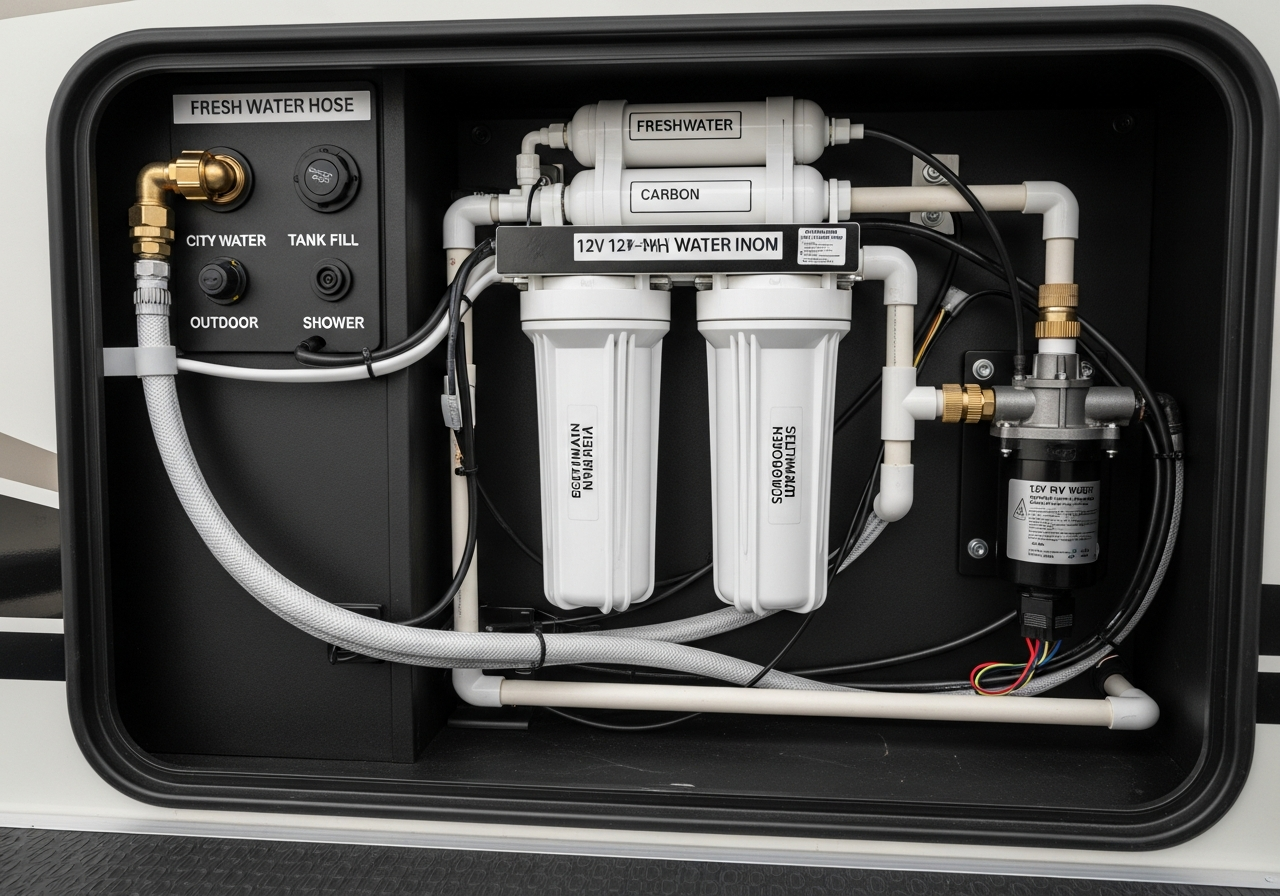
- Do not let children play with freshwater or sewer hookups.
- Keep separate gloves for waste-tank tasks.
- Sanitize high-touch surfaces regularly.
Safety Tip
Keep hand soap, sanitizer, and paper towels easy to reach so children can follow the rules without help.
6. Prepare for Outdoor Risks Around Camp
Many family RV incidents happen outside the RV, not inside it.
Common Outdoor Hazards
Campfire Burns
- Keep a child-free zone around the fire.
- Never leave a fire unattended.
- Extinguish with water until ashes are cool.
Wildlife Encounters
- Store food securely.
- Do not feed animals.
- Teach children to report animal sightings instead of approaching.
Weather Exposure
- Use sunscreen and hats.
- Monitor for heat exhaustion.
- Move indoors during lightning or high winds.
Trip-and-Fall Injuries
- Keep the campsite tidy.
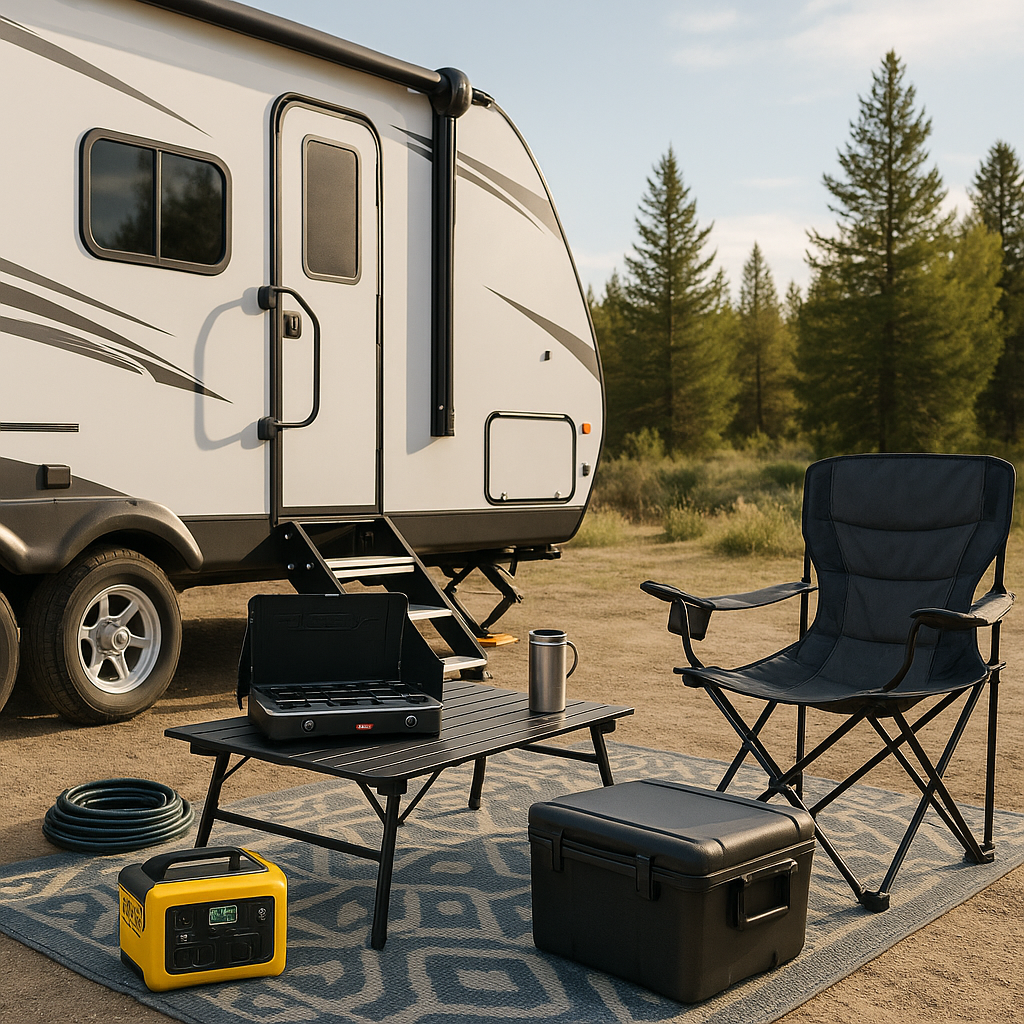
- Coil cords and hoses neatly.
- Use exterior lights after dark.
7. Troubleshooting Common Family RV Safety Problems
Even with good planning, problems happen. A simple diagnostic process helps families respond calmly.
Problem 1: A Child Keeps Leaving the Campsite Boundary
- Diagnose the cause. Is the child bored, confused about the boundary, or following other kids?
- Solution: Rewalk the boundary and restate the rule in simple language.
- Solution: Add supervision zones or a buddy rule.
- Solution: Provide a defined activity area with games or chairs nearby.
Problem 2: Items Keep Falling or Shifting During Travel
- Diagnose storage habits. Check which cabinets or surfaces are not being secured.
- Solution: Repack heavier items low and close to the axle area when possible.
- Solution: Use latches consistently and avoid leaving loose gear on counters.
- Solution: Do a second interior check before driving.
Problem 3: Alarms Beep or Trigger Unexpectedly
- Diagnose which alarm is sounding. Smoke, propane, and carbon monoxide alarms require different responses.
- Solution: Move everyone outside if you suspect gas, smoke, or fumes.
- Solution: Ventilate only if it is safe to do so.
- Solution: Check batteries, appliance use, and ventilation before reentering.
- Solution: If the cause is unclear, seek campground assistance or professional service.
Problem 4: Children Ignore Roadside or Parking-Lot Rules
- Diagnose whether the rule was practiced in advance.
- Solution: Use a stop-and-wait rule at every exit.
- Solution: Have children hold an adult’s hand near roads or fuel stations.
- Solution: Review the rule before every stop until it becomes habit.
8. Follow a Seasonal RV Safety Maintenance Guide
Safety rules work best when the RV itself is maintained properly. We recommend a seasonal routine so small issues do not become trip-ending hazards.
Spring Checklist: Before Peak Travel Season
- Inspect tires for cracking, tread wear, and proper inflation.
- Test all lights, signals, and brake functions.
- Check roof seals, windows, and exterior seams for leaks.
- Sanitize the freshwater system.
- Test smoke, propane, and carbon monoxide detectors.
- Inspect fire extinguishers and first-aid supplies.
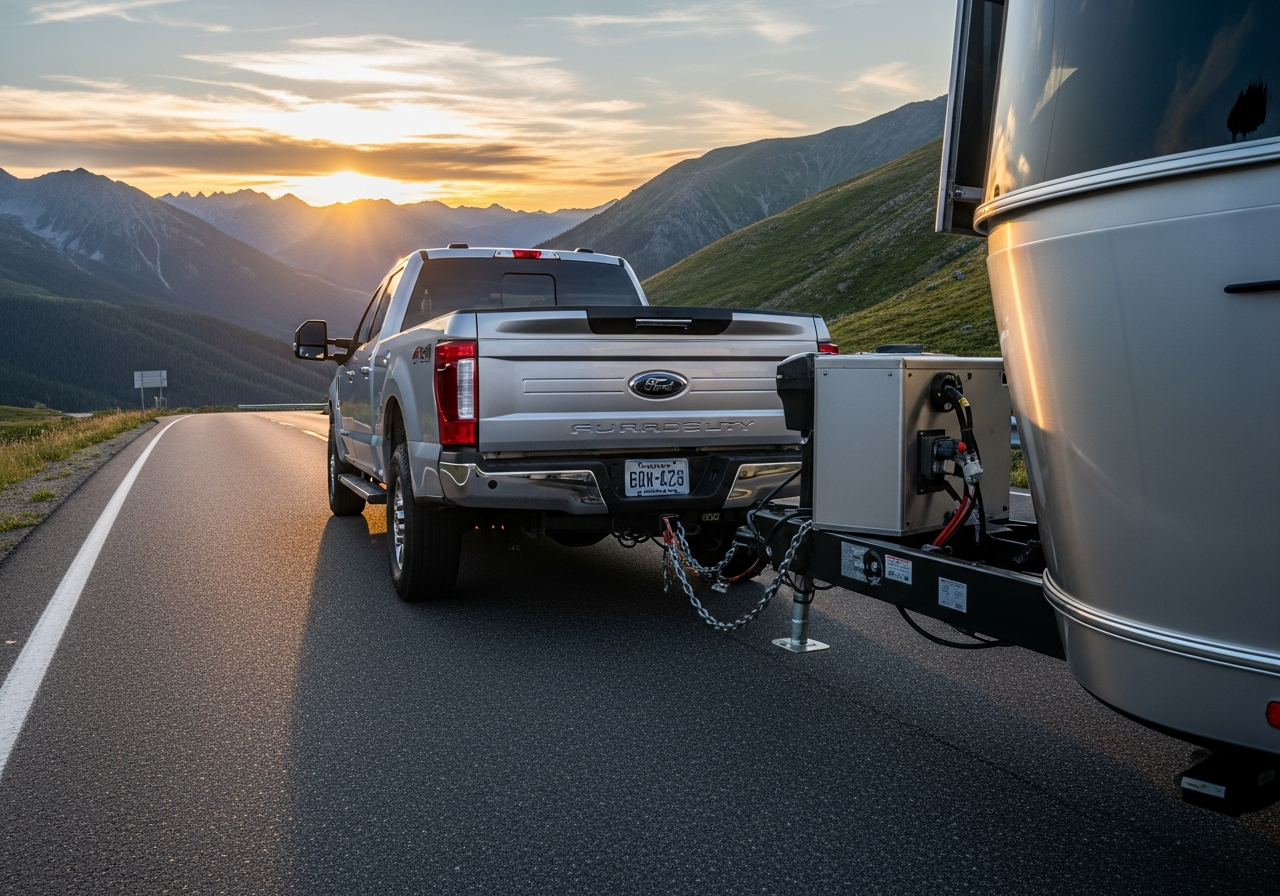
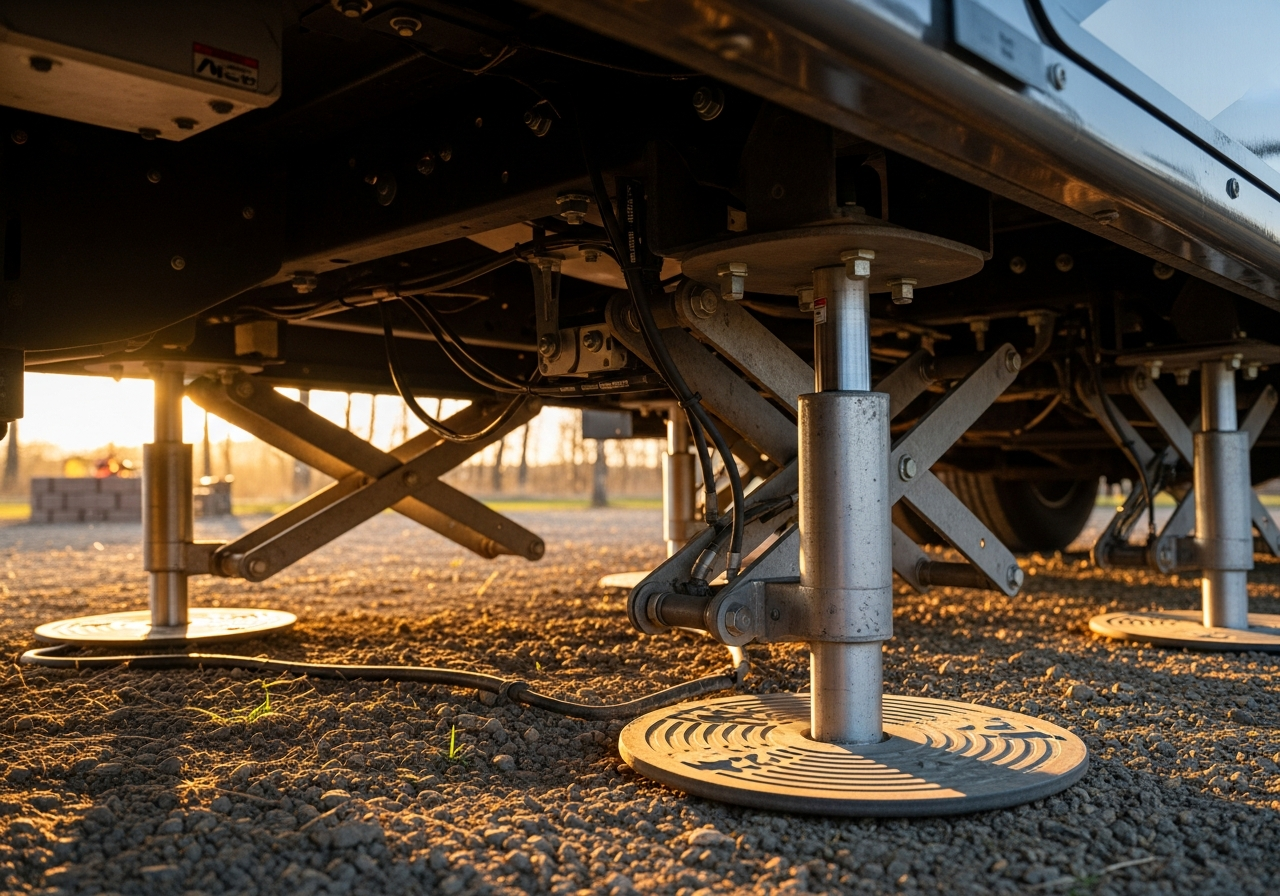
- Verify hitch, tow equipment, or leveling gear condition.
Summer Checklist: During Frequent Use
- Monitor tire pressure often in hot weather.
- Check air conditioning performance and filters.
- Inspect cords and hoses for wear.
- Clean outdoor cooking areas and remove grease buildup.
- Replenish drinking water and hygiene supplies.
Fall Checklist: End-of-Season Safety Prep
- Empty and clean tanks thoroughly.
- Inspect for moisture, mold, or pest entry points.
- Check battery condition and charge level.
- Remove food that could attract pests.
- Review emergency supplies before storage.
Winter Checklist: Storage and Cold-Weather Protection
- Winterize plumbing according to your RV type.
- Protect batteries or maintain them with proper charging.
- Cover or protect exposed components as needed.
- Inspect the RV periodically for leaks or rodent activity.
- Test detectors again before the first trip of the new season.
9. Practice Emergency Drills Before and During the Trip
Children remember what they practice more than what they hear once.
Simple Family Drills to Run
- Exit drill: Practice getting out of the RV quickly.
- Meeting-point drill: Choose a spot outside where everyone gathers.
- Lost-child drill: Teach children to stay put, look for campground staff, and know your site number.
- Fire drill: Practice stopping cooking, exiting, and calling for help.
Safety Tip
Keep drills calm and brief. The goal is confidence, not fear.
10. Make Safety Part of the RV Experience
The best family safety rules are not complicated. They are clear, repeated, and realistic for the way your family actually travels. We researched common first-trip mistakes and found that most are preventable when families build routines around movement, boundaries, emergency response, and maintenance.
If you establish these expectations before your first trip, children are more likely to understand that RV travel comes with responsibilities as well as fun.
Key Takeaways
- Start with simple, non-negotiable family rules before departure.
- Make rv safety rules for children camping specific: boundaries, road safety, fire safety, and adult-only zones.
- Use a repeatable pre-departure and campsite setup routine.
- Teach children how alarms sound and where to meet in an emergency.
- Troubleshoot behavior and equipment problems with calm, step-by-step checks.
- Follow seasonal maintenance checklists so the RV stays as safe as your family rules.
- Practice drills regularly so everyone knows what to do under stress.