RV Camping with Kids: Tips, Gear, and Survival Strategies

Salem Hassan founded Travelcamp RV and brings 30+ years of hands-on RV, marine, and powersports retail experience to every review.
✎ Reviewed by Salem Hassan — Founder, Travelcamp RV · 30+ years in RV, marine, and powersports retail
Why trust us
ShopRVGear articles are researched by the Searchshop Editorial team using manufacturer specs, RV trade sources, and owner feedback. We match every recommendation to your RV class — Class A, B, C, fifth-wheel, or travel trailer — because gear that works in a 40-ft motorhome often does not fit a Class B van. We may earn a commission on qualifying purchases; it does not change what we recommend.
RV Camping with Kids: Tips, Gear, and Survival Strategies
Planning family travel on the road gets much easier when you start with practical rv camping with kids tips that reduce stress before you even leave the driveway. RV trips with children can be memorable, flexible, and surprisingly comfortable, but they also require more structure than adult-only travel. We researched the most common challenges families face and organized the best solutions into a simple guide you can actually use.
Why RV Camping Works Well for Families

RV camping gives families a home base, built-in bathroom access, familiar sleeping spaces, and more control over meals and schedules. For parents, that usually means fewer emergency stops and less disruption. For kids, it means adventure with some of the comforts of home.
The key is not perfection. It is preparation. A well-planned trip allows room for flexibility while still protecting routines, safety, and sanity.
How to Plan a Kid-Friendly RV Trip
A smoother trip starts long before departure day. We recommend building your plan around drive time, meal timing, sleep needs, and weather.
1. Choose Realistic Driving Distances
- Limit drive days based on your children’s ages and patience.
- Plan frequent stops for bathroom breaks, movement, and snacks.
- Aim to arrive at campgrounds before dark whenever possible.
Safety tip: Avoid pushing through driver fatigue just to reach the next campground. Tired driving is one of the fastest ways to turn a family trip into a dangerous one.
2. Book Family-Friendly Campgrounds
Look for campgrounds with:
- Clean restrooms and showers
- Playgrounds or open space
- Quiet hours that match family schedules
- Laundry access
- Full hookups if traveling with younger children
3. Build a Flexible Daily Routine
Children usually do better when the day has a predictable rhythm. We recommend planning around these anchors:
- Wake-up and breakfast
- Outdoor activity time
- Lunch and rest period
- Afternoon exploration
- Dinner and evening wind-down
4. Involve Kids in the Trip
Let children help choose a hike, pack a small bag, or track the route on a map. Involvement often reduces boredom and improves cooperation.
Essential Gear for RV Camping with Kids

You do not need to overpack, but a few categories matter more than others.
Safety and Health Gear
Keep these items easy to access:
- First-aid kit
- Child-safe medications
- Thermometer
- Sunscreen and bug spray
- Flashlights or headlamps
- Extra water bottles
- Emergency contact list
Sleep and Comfort Gear
Children sleep better when the setup feels familiar. We recommend:
- Favorite blanket or stuffed animal
- White noise machine or small fan
- Blackout shades if your RV allows them
- Extra pajamas and layered sleepwear
Kitchen and Food Essentials
Family RV meals work best when simple. Pack:
- Easy breakfast foods
- Healthy grab-and-go snacks
- Reusable cups and plates
- Spill-proof containers
- Cooler backup for drinks and kid foods
Activity Gear
A mix of outdoor and indoor options helps in any weather:
- Bikes or scooters where allowed
- Sidewalk chalk
- Card games and books
- Nature scavenger hunt sheets
- Rainy-day crafts
Survival Strategies for a Smoother Trip
Even the best family trips include meltdowns, messes, and changed plans. The goal is to manage them quickly.
Keep a Grab-and-Go Day Bag
Pack one bag with wipes, snacks, water, sunscreen, a change of clothes, and basic first-aid supplies. This keeps you from digging through the RV every time you stop.
Use Zones Inside the RV
Small spaces work better when every item has a place. Create simple zones:
- Shoe zone by the door
- Snack zone in one cabinet
- Toy bin for daily play items
- Bedtime basket with pajamas and toothbrushes
Follow the One-In, One-Out Rule
If kids collect rocks, souvenirs, or extra toys along the way, balance clutter by limiting what stays inside the RV. Tight spaces feel smaller fast.
Plan for Downtime
Overscheduling often causes more problems than boredom. Quiet time in the RV can help reset moods, especially for younger kids.
RV Safety Rules for Kids
Children need clear, repeated rules in and around the RV.
Basic Family RV Rules
- No running inside or around the RV.
- Stay visible to an adult in parking lots and camp roads.
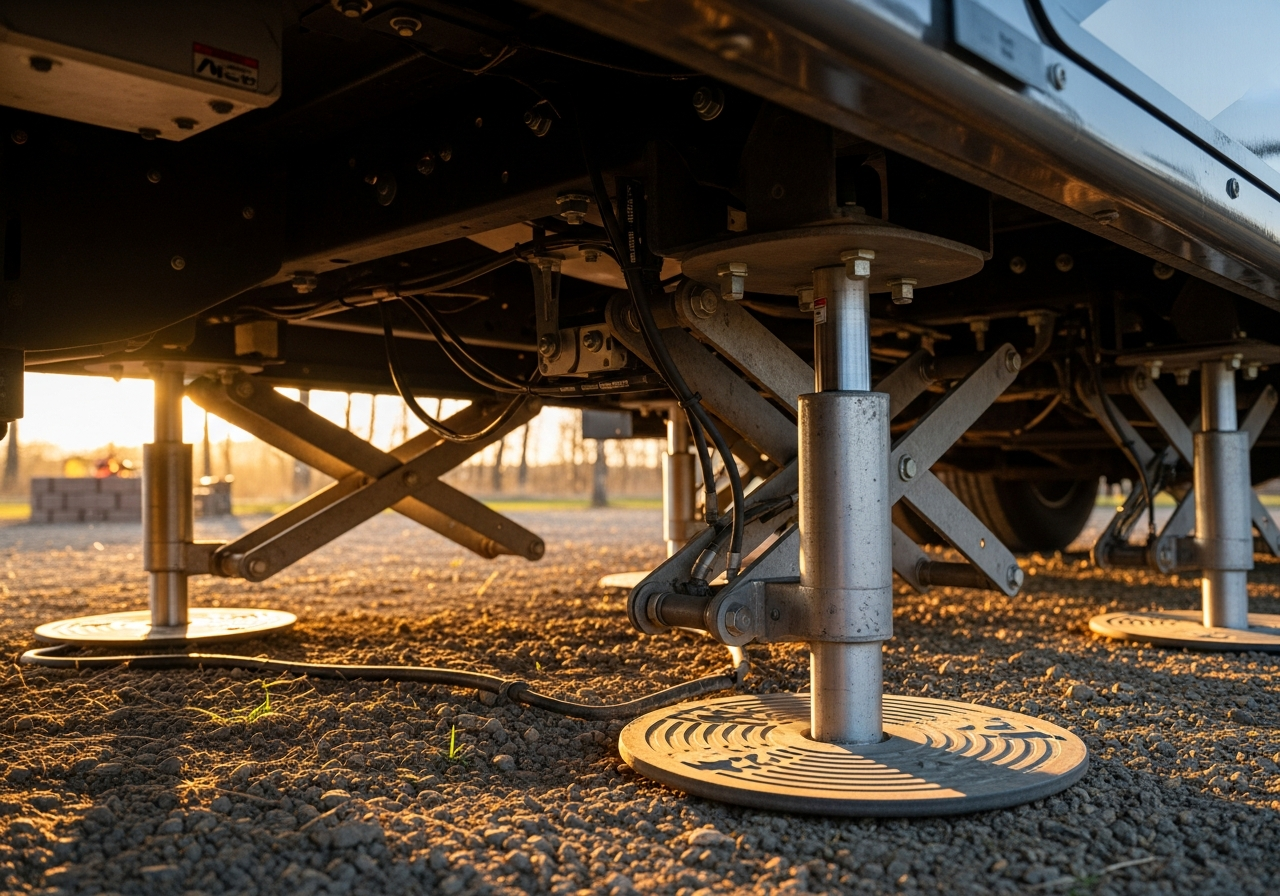
- Never touch hookups, hoses, jacks, or the generator area.
- Ask before entering another campsite.
- Wear helmets for biking or scooters.
- Stay away from campfires unless an adult is present.
Campfire Safety Steps
- Keep chairs and gear a safe distance from the fire ring.
- Tie back loose clothing and secure long hair.
- Use long roasting sticks only under supervision.
- Fully extinguish the fire before bed or leaving camp.
Safety tip: Teach kids that RV steps, awnings, and slide-outs are not play equipment.
Troubleshooting Common Problems on Family RV Trips
Problems happen. What matters is diagnosing them quickly and choosing the simplest fix.
1. Kids Are Melting Down During Drive Time
Diagnostic steps:
- Check whether they are hungry, tired, too warm, or overstimulated.
- Look at how long it has been since the last stop.
- Consider whether screen time, noise, or sibling conflict is adding stress.
Solutions:
- Stop for a movement break.
- Offer water and a protein-based snack.
- Rotate activities instead of relying on one form of entertainment.
- Shorten the day’s drive if the pattern keeps repeating.
2. The RV Feels Too Cluttered and Chaotic
Diagnostic steps:
- Identify which items are always left out.
- Check whether storage is too hard for kids to use.
- Review whether too many toys or clothes came along.
Solutions:
- Use one bin per child for personal items.
- Store daily essentials at kid height.
- Remove nonessential items at the next repack stop.
3. Bedtime Is Falling Apart
Diagnostic steps:
- Compare camp bedtime to home bedtime.
- Check for too much evening stimulation.
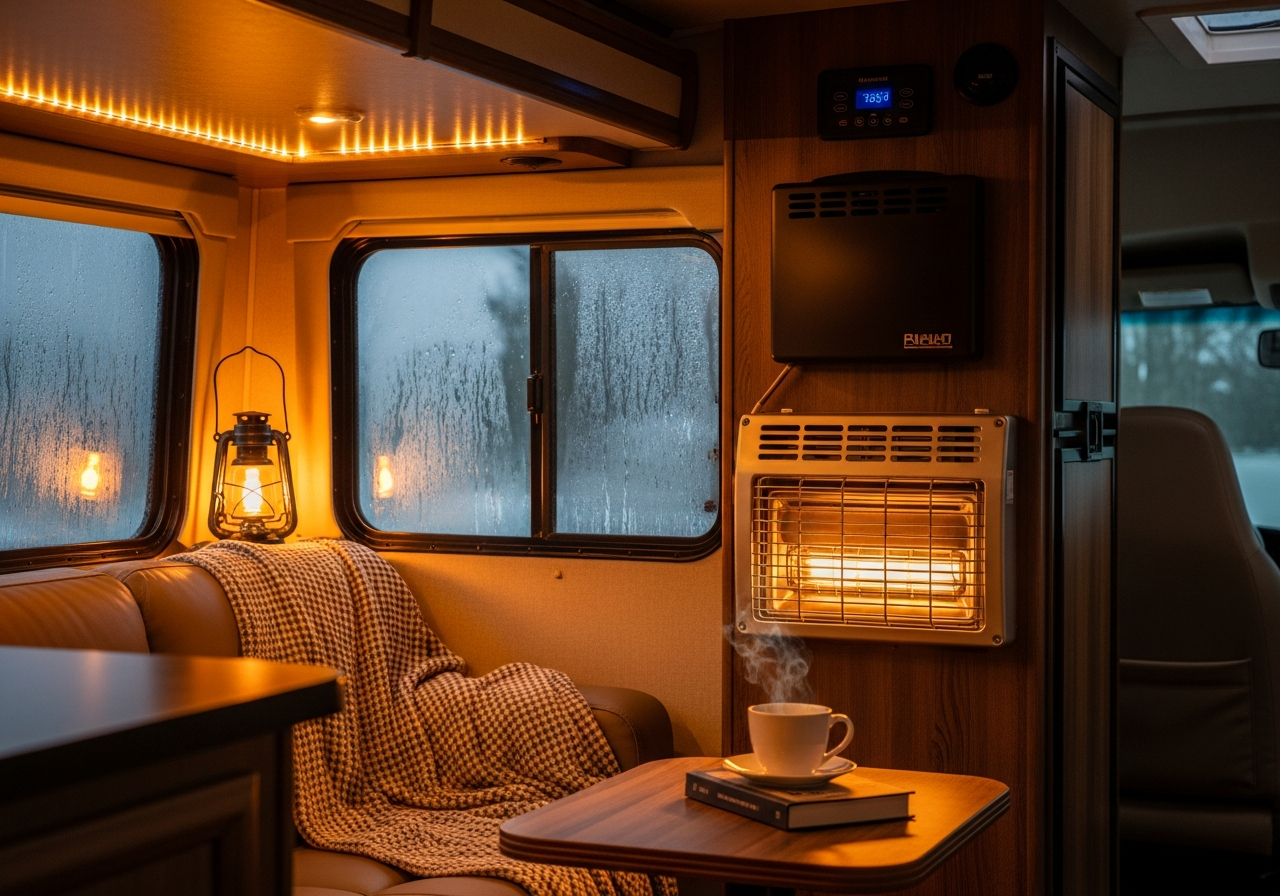
- Look for light, noise, or temperature issues inside the RV.
Solutions:
- Keep a familiar bedtime routine.
- Start winding down 30 to 45 minutes earlier.
- Use layered bedding, a fan, or white noise.
- Reduce sugary snacks late in the day.
4. Rain Is Ruining the Trip Mood
Diagnostic steps:
- Check whether everyone has dry clothes.
- See if the indoor activity plan is too limited.
- Assess whether the campsite setup is making entry and exit messy.
Solutions:
- Set up a wet gear area near the door.
- Rotate games, books, crafts, and simple cooking tasks.
- Use campground amenities if available.
- Reframe the day instead of trying to force outdoor plans.
5. Kids Keep Tracking Dirt and Mud Inside
Diagnostic steps:
- Watch where shoes are being dropped.
- Check whether towels or mats are placed at the entrance.
- See if there is an easy hand-cleaning routine outside.
Solutions:
- Create a no-shoes rule inside the RV.
- Add a shoe tray or bin by the door.
- Keep a small brush, wipes, and towel outside.
Seasonal Maintenance Guide for Family RV Camping
Family travel is easier when the RV itself is ready for the season. Preventive maintenance reduces breakdowns, leaks, and campsite frustration.
Spring Readiness Checklist
Before your first major trip:
- Inspect tires for pressure, wear, and age
- Test brakes and exterior lights
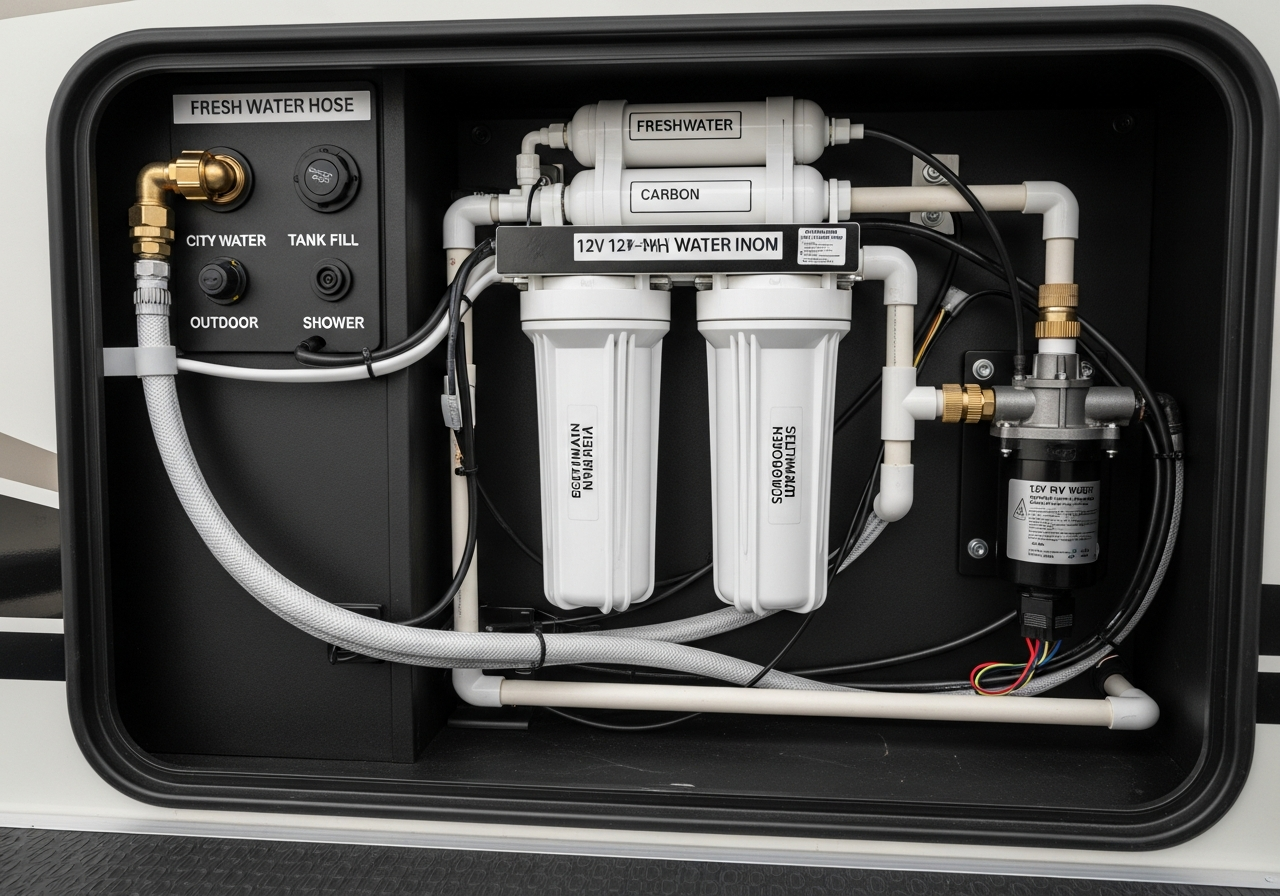
- Sanitize the fresh water system
- Check roof seals, windows, and slide seals
- Inspect batteries and charge levels
- Test smoke, propane, and carbon monoxide detectors
- Run the fridge, stove, water heater, and air conditioner
Step-by-Step Spring Prep
- Wash the RV exterior so damage is easier to spot.
- Inspect the roof and seams for cracks or gaps.
- Flush and sanitize the water system according to your RV manual.
- Test all safety detectors and replace batteries if needed.
- Check that seat belts, car seats, and sleeping areas are secure.
Summer Use Checklist
During peak camping season:
- Monitor tire pressure regularly
- Check coolant and engine fluids if applicable
- Clean air conditioner filters
- Watch for sun damage on seals and plastics
- Restock first-aid and hydration supplies
Step-by-Step Mid-Season Care
- Sweep out storage compartments.
- Wipe down vents and AC returns.
- Check for loose cabinet hardware from road vibration.
- Inspect hoses, cords, and connectors for wear.
- Deep-clean the fridge and pantry to prevent odors and pests.
Fall and Winter Storage Checklist
At season’s end:
- Empty and clean all food storage areas
- Drain and winterize plumbing if needed
- Remove fabrics that could mildew
- Disconnect or maintain batteries properly
- Cover or store outdoor gear dry
- Check for rodent entry points
Step-by-Step End-of-Season Shutdown
- Remove all perishables and clean every cabinet.
- Drain tanks and winterize the water system based on climate.
- Clean bedding, curtains, and soft surfaces.
- Prop refrigerator doors open if storing the RV.
- Recheck roof seals before long-term storage.
Safety tip: If you are unsure about propane systems, electrical issues, or brake components, use a qualified RV technician rather than guessing.
Simple Habits That Make Family RV Travel Better
Small habits often matter more than expensive upgrades. We recommend:
- Packing the same way every trip
- Refilling snacks and water each evening
- Doing a five-minute cleanup before bed
- Reviewing campground rules with kids on arrival
- Keeping one backup outfit accessible for each child
These routines reduce stress, save time, and make departures easier the next morning.
Final Thoughts
RV camping with kids is rarely flawless, but it can be deeply rewarding. The best trips usually come from balanced expectations, simple systems, and a willingness to adapt. When we researched what experienced RV families do consistently, the answer was clear: they prepare for the basics, protect routines where possible, and solve small issues before they become big ones.
Key Takeaways
- Start with realistic drive times and child-friendly campground choices.
- Pack around safety, sleep, food, and flexible activities.
- Use routines and storage zones to keep the RV manageable.
- Teach clear safety rules for roads, campfires, hookups, and slide-outs.
- Troubleshoot meltdowns, clutter, bedtime issues, and weather with simple diagnostic steps.
- Follow spring, summer, and winter maintenance checklists to keep the RV trip-ready.
- Focus on preparation and consistency rather than perfection.