Family RV Setup Checklist: Everything You Need Before Hitting the Road

Salem Hassan founded Travelcamp RV and brings 30+ years of hands-on RV, marine, and powersports retail experience to every review.
✎ Reviewed by Salem Hassan — Founder, Travelcamp RV · 30+ years in RV, marine, and powersports retail
Why trust us
ShopRVGear articles are researched by the Searchshop Editorial team using manufacturer specs, RV trade sources, and owner feedback. We match every recommendation to your RV class — Class A, B, C, fifth-wheel, or travel trailer — because gear that works in a 40-ft motorhome often does not fit a Class B van. We may earn a commission on qualifying purchases; it does not change what we recommend.
Family RV Setup Checklist: Everything You Need Before Hitting the Road
A reliable family rv setup checklist helps turn a stressful departure day into a smooth, safe start to your trip. When we researched the most common RV travel mistakes families make, the same issues came up again and again: missed safety checks, unsecured gear, forgotten essentials, and rushed campsite setup. The good news is that a practical routine solves most of them.
In this guide, we’ll walk through what to check before leaving home, how to set up at the campsite, how to troubleshoot common problems, and how to keep your RV maintained through every season.
Why a Family RV Setup Checklist Matters

Traveling with kids adds extra moving parts to every trip. You’re not only preparing the RV systems, but also organizing sleeping areas, food, clothing, entertainment, and safety gear. A checklist helps us:
- Reduce last-minute packing mistakes
- Improve towing and driving safety
- Protect the RV from preventable damage
- Keep children and pets safer at camp
- Make arrivals and departures faster
The goal isn’t perfection. It’s consistency.
Pre-Trip Family RV Setup Checklist
Before any trip, we recommend doing a full walk-through at least one day before departure. That gives you time to fix issues without rushing.
1. Confirm Documents, Route, and Reservations
Start with the basics.
- Verify campground reservations and check-in times.
- Review your route for low bridges, steep grades, toll roads, and fuel stops.
- Confirm your RV insurance, registration, and roadside assistance information are current.
- Save offline maps in case cell service is weak.
- Share the itinerary with a family member or friend.
Safety tip: Never rely on a standard car GPS alone for RV navigation. Height and weight restrictions matter.
2. Inspect Tires, Wheels, and Hitch Components
Tires and tow connections deserve extra attention.
- Check tire pressure when tires are cold, including the spare.
- Inspect tread wear, sidewall cracking, and valve stems.
- Torque lug nuts to the manufacturer’s specification if needed.
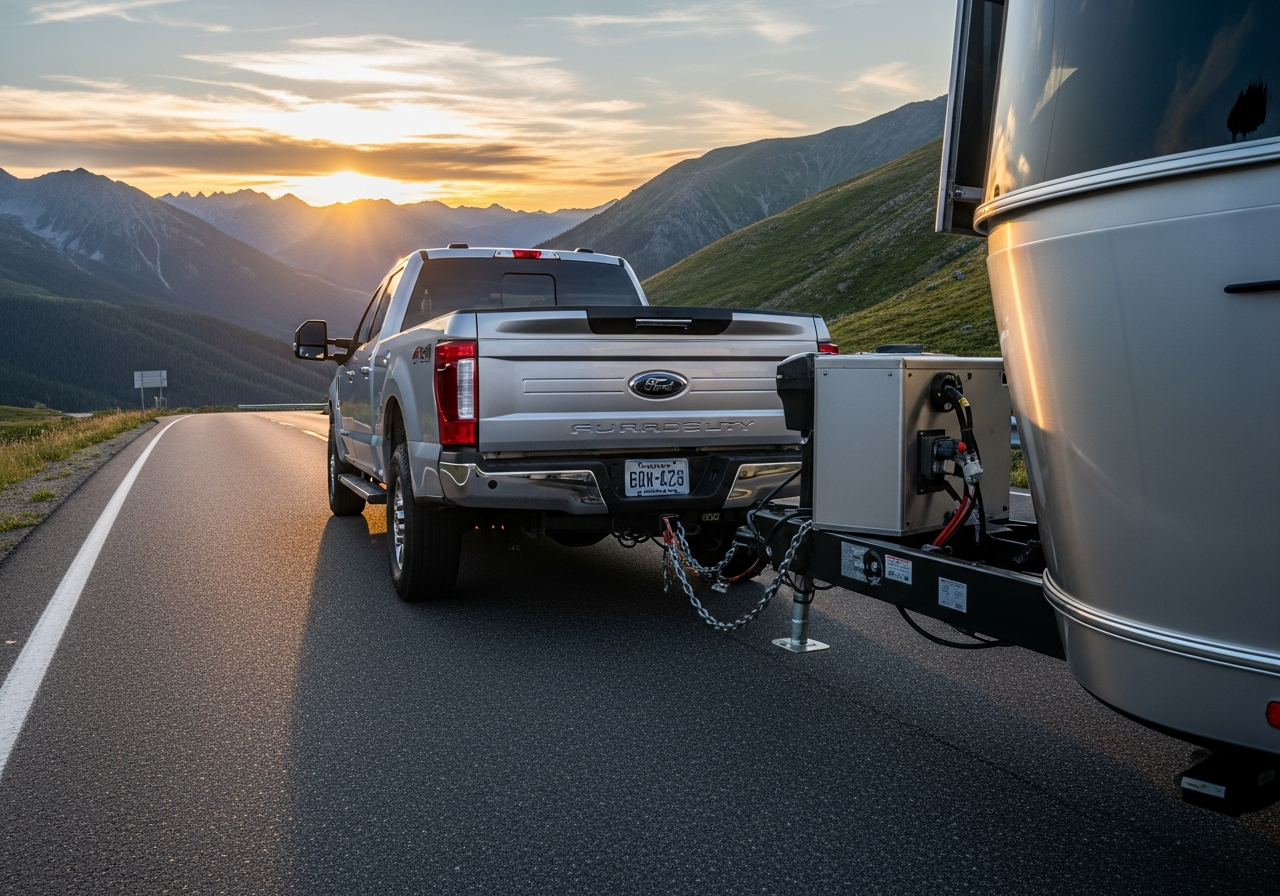
- For towable RVs, inspect the hitch, coupler, sway control, safety chains, and breakaway cable.
- Test trailer brake response before entering traffic.
Safety tip: Underinflated tires are one of the leading causes of blowouts. Use the correct pressure for your RV’s load, not a guess.
3. Check Exterior Systems
Walk around the RV slowly.
- Test headlights, brake lights, turn signals, and running lights.
- Inspect awnings for tears or loose hardware.
- Make sure storage compartment doors latch securely.
- Check the roofline, vents, and window seals for visible damage.
- Confirm steps retract properly and handrails are secure.
4. Prepare Water, Power, and Waste Systems
Make sure your utility systems are ready for use.
- Fill the fresh water tank if needed.
- Sanitize hoses and pack separate hoses for drinking water and tank flushing.
- Empty gray and black tanks before departure.
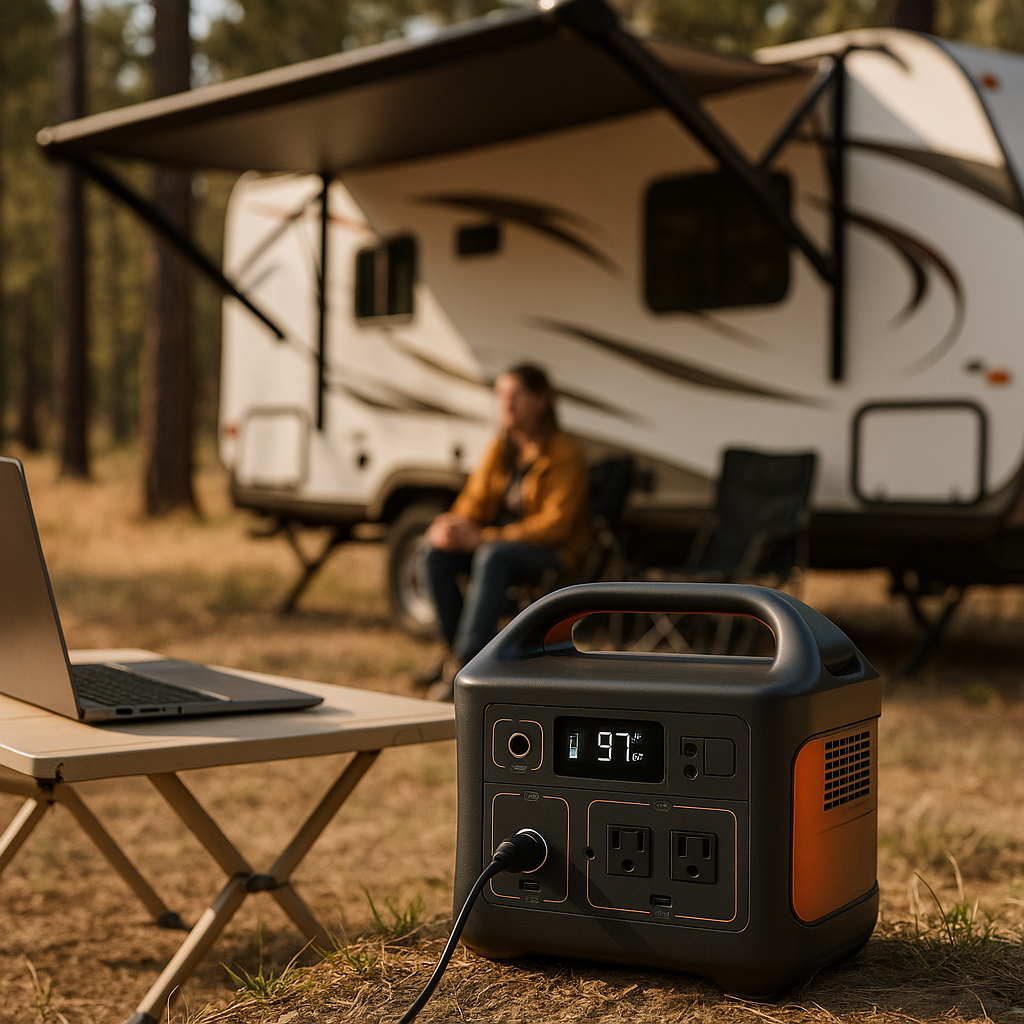
- Check shore power cord condition and adapters.
- Test the battery charge level and converter operation.
- If your RV uses propane, verify tank levels and inspect for leaks.
Safety tip: If you smell propane, shut off the supply immediately, ventilate the area, and do not operate switches or flames until the issue is resolved.
5. Secure the Interior for Travel
Inside the RV, movement is the enemy.
- Latch cabinets, refrigerator, and shower doors.
- Store heavy items low and close to the axle area when possible.
- Secure TVs, coffee makers, and countertop appliances.
- Lock slide-outs in travel position.
- Lower antennas and close roof vents unless designed for travel use.
- Confirm nothing can fall onto children’s seating areas.
6. Pack Family Essentials
Family travel works best when every person has a basic system.
Must-Have Family Items
- Medications and first-aid kit
- Weather-appropriate clothing
- Bedding and extra towels
- Child snacks and water bottles
- Flashlights and spare batteries
- Toiletries and baby supplies
- Pet food, leash, and waste bags
- Games, books, and charging cables
Kitchen and Food Basics
- Plates, cups, utensils, and cookware
- Food storage containers
- Paper towels and trash bags
- Can opener and lighter
- Cooler items and refrigerator staples
- Dish soap and sanitizing wipes
How to Set Up Your RV at the Campsite

A good campsite setup routine saves time and prevents damage.
1. Inspect the Site Before Pulling In
- Get out and walk the site.
- Look for low branches, uneven ground, rocks, fire rings, and utility post placement.
- Check where slide-outs and awnings will extend.
- Identify any hazards for children, such as slopes or water edges.
2. Position and Level the RV
- Back in slowly using a spotter.
- Use hand signals or radios for clear communication.
- Chock the wheels before unhitching a trailer.
- Level side-to-side first, then front-to-back.
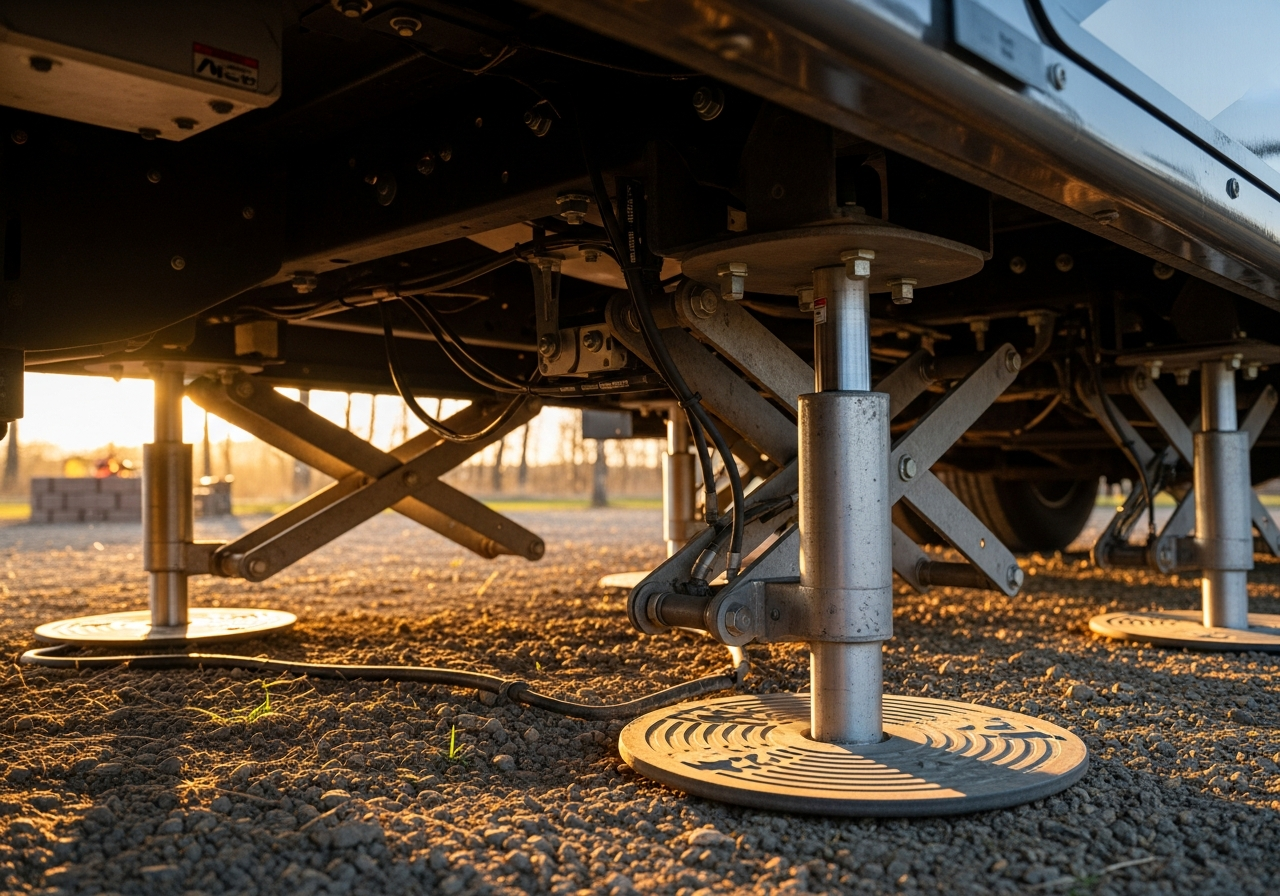
- Deploy stabilizers only after leveling.
Safety tip: Never use stabilizer jacks to lift the RV for leveling unless the manufacturer specifically allows it.
3. Connect Utilities in the Right Order
- Connect surge protection before plugging into shore power.
- Attach the power cord securely.
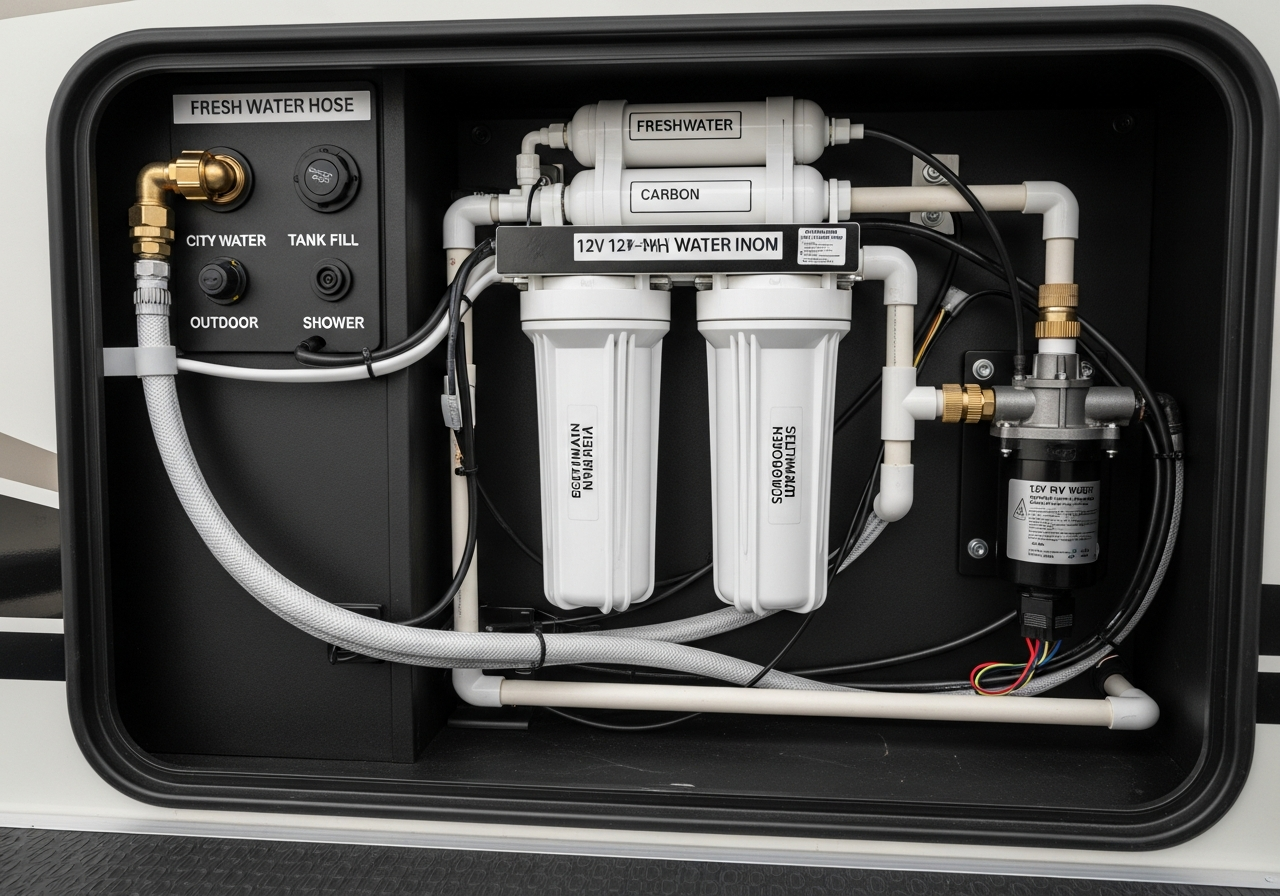
- Connect the fresh water hose, ideally with a pressure regulator.
- Attach sewer hose only when needed or once you’re ready for full hookup use.
- Confirm all valves are in the correct position before dumping.
4. Set Up the Living Area
- Extend slide-outs only after confirming clearance.
- Open the awning if conditions are calm.
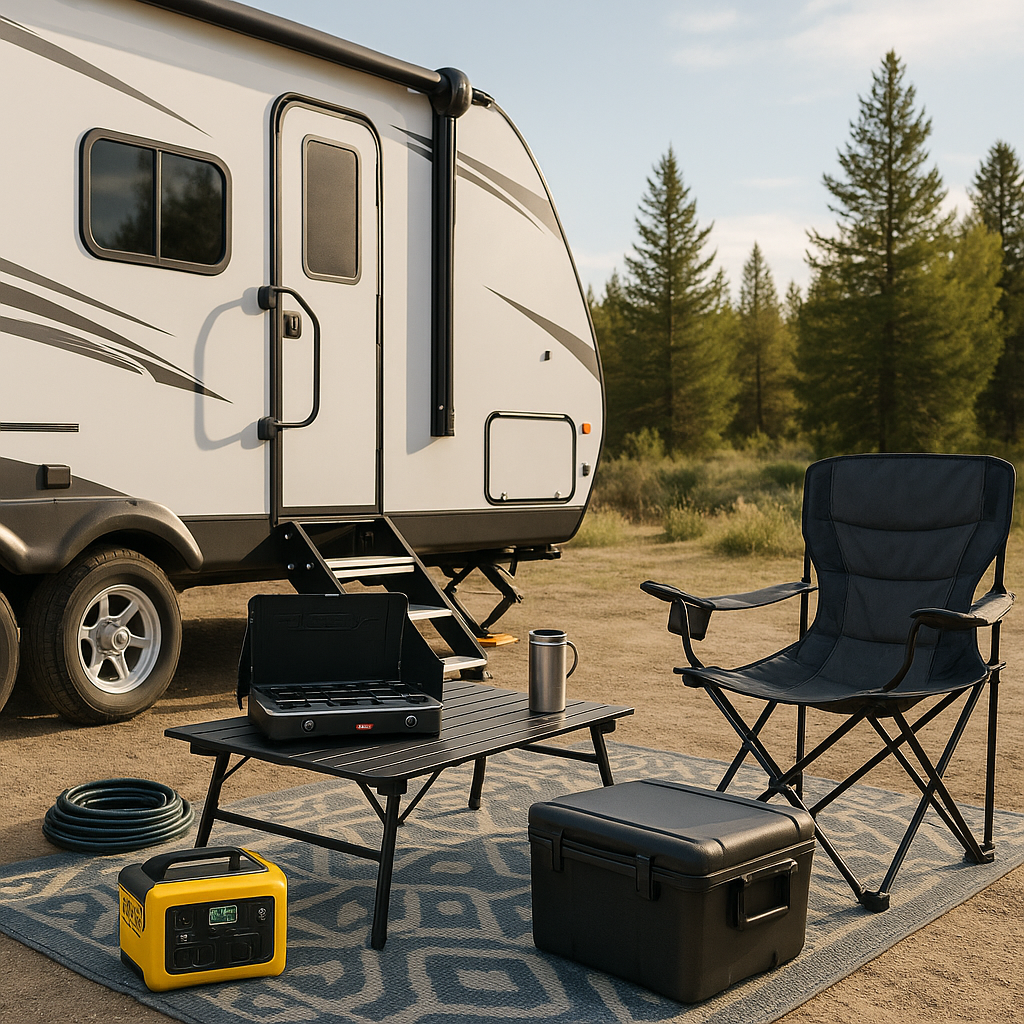
- Set up outdoor mats, chairs, and cooking gear.
- Create a safe kid zone away from roads and neighboring campsites.
- Review campground rules with the family.
5. Do a Final Safety Check
- Test smoke, carbon monoxide, and propane detectors.
- Locate the fire extinguisher.
- Review emergency exits with children.
- Make sure steps, rugs, and cords do not create trip hazards.
Troubleshooting Common RV Setup Problems
Even with a strong checklist, problems happen. Here’s a simple diagnostic process.
1. No Power at the Campsite
- Check whether the pedestal breaker is on.
- Confirm your surge protector or adapter is seated correctly.
- Test if the RV main breaker has tripped.
- Check battery voltage if 12V systems also seem weak.
Solution: Reset the pedestal and RV breakers once. If power still fails, try another pedestal outlet if allowed or contact campground staff. If only some outlets are dead, inspect your GFCI outlet and reset it.
2. Water Pressure Is Too Low or Missing
- Verify the campground spigot is fully open.
- Check for kinks in the hose.
- Confirm the pressure regulator is not clogged or faulty.
- See whether the pump is needed when using the fresh tank.
Solution: Straighten the hose, clean inlet screens, and switch to the onboard pump if using tank water. Replace damaged washers or clogged filters.
3. Refrigerator Not Cooling Properly
- Make sure the RV is level enough for safe refrigerator operation if required by your model.
- Check whether the fridge is set to the correct power source.
- Verify vents are unobstructed.
- Allow enough time for cooling after startup.
Solution: Re-level the RV, confirm propane or electric mode is active, and pre-cool the fridge before loading food. Avoid overpacking, which blocks airflow.
4. Slide-Out Won’t Extend or Retract
- Check battery charge and shore power connection.
- Confirm any travel locks have been removed.
- Inspect for objects blocking the slide path.
- Listen for motor noise or clicking.
Solution: Charge the battery, remove obstructions, and consult your owner’s manual for the manual override procedure if needed. Do not force the slide.
5. Bad Odors from Tanks or Drains
- Check whether tank valves were left open too long.
- Inspect sink and shower traps for dryness.
- Confirm the toilet seal is holding water.
- Review whether tanks were rinsed properly after the last dump.
Solution: Add water and the appropriate tank treatment, keep black tank valves closed until dumping, and flush tanks thoroughly. Pour a little water into drains to restore trap seals.
Seasonal RV Maintenance Guide
A family RV setup checklist works best when paired with regular maintenance.
Spring Startup Checklist
After storage, use this step-by-step routine:
- Inspect the roof, seals, and exterior for winter damage.
- Check battery charge and clean terminals.
- De-winterize the plumbing system.
- Sanitize the fresh water system.
- Inspect tires for flat spots, age, and cracking.
- Test appliances, lights, brakes, and safety detectors.
- Restock emergency supplies and family essentials.
How to Sanitize the Fresh Water System
- Drain old water from the tank and lines.
- Add a sanitizing solution according to your RV manufacturer’s guidance.
- Fill the tank with fresh water.
- Run each faucet until you smell the solution.
- Let it sit for the recommended time.
- Drain and flush with clean water until the smell is gone.
Summer Travel Checklist
- Inspect air conditioner performance.
- Watch tire pressure closely in hot weather.
- Check refrigerator venting and cooling.
- Pack extra drinking water and sun protection.
- Inspect awning hardware before every trip.
Fall Preparation Checklist
- Clean and empty tanks thoroughly.
- Inspect weather seals around windows and doors.
- Remove perishable food.
- Launder bedding and soft goods before storage.
- Check furnace operation before cold-weather trips.
Winterizing Checklist
- Drain fresh water lines, water heater, and tanks.
- Bypass the water heater if required.
- Add RV-safe antifreeze to plumbing lines as directed.
- Protect batteries during storage.
- Cover or store hoses after drying them fully.
- Seal entry points that could attract pests.
Safety tip: Use only RV/marine antifreeze intended for potable water systems. Automotive antifreeze is not appropriate for RV plumbing.
Family-Specific Setup Habits That Make Travel Easier
Small routines make a big difference on family trips.
Create Departure Roles
Give each family member an age-appropriate job:
- One adult handles exterior checks
- One adult secures the interior and family gear
- Older kids gather personal items and chargers
- Younger kids carry a travel bag and follow a final headcount routine
Keep a Ready-to-Go Bin
We recommend storing commonly forgotten items in one dedicated bin:
- Flashlights
- Spare batteries
- Wet wipes
- Basic tools
- Fuses
- Work gloves
- Zip ties
- Notepad and pen
Use a Final Walk-Around Rule
Before driving away, do one last slow walk around the RV. Check for cords, chocks, steps, antennas, vents, jacks, and compartment doors. This simple habit prevents many expensive mistakes.
Key Takeaways
- A family rv setup checklist helps reduce stress, improve safety, and prevent forgotten tasks.
- Pre-trip checks should cover documents, tires, hitch components, utilities, interior security, and family essentials.
- Campsite setup should follow a consistent order: inspect, position, level, connect utilities, and do a final safety review.
- Common RV problems like power loss, low water pressure, poor cooling, slide-out issues, and tank odors can often be solved with a simple diagnostic routine.
- Seasonal maintenance keeps your RV dependable and protects your investment between trips.
- The best checklist is the one your family uses every time.
When we researched practical RV routines used by experienced families, the biggest takeaway was clear: preparation creates freedom. A few extra minutes with a checklist before you leave and when you arrive can make the entire trip smoother, safer, and more enjoyable.