RV Fire Safety: Prevention Tips and What to Do in an Emergency

Salem Hassan founded Travelcamp RV and brings 30+ years of hands-on RV, marine, and powersports retail experience to every review.
✎ Reviewed by Salem Hassan — Founder, Travelcamp RV · 30+ years in RV, marine, and powersports retail
Why trust us
ShopRVGear articles are researched by the Searchshop Editorial team using manufacturer specs, RV trade sources, and owner feedback. We match every recommendation to your RV class — Class A, B, C, fifth-wheel, or travel trailer — because gear that works in a 40-ft motorhome often does not fit a Class B van. We may earn a commission on qualifying purchases; it does not change what we recommend.
RV Fire Safety: Prevention Tips and What to Do in an Emergency
RV travel gives us freedom, comfort, and flexibility, but it also puts cooking equipment, propane systems, electrical wiring, batteries, fuel, and heating appliances into a compact space. That is why rv fire safety prevention tips matter for every owner, renter, and road-tripping family. We researched the most common RV fire risks and the practical habits that help reduce them. With the right inspections, maintenance routines, and emergency planning, we can lower the chance of a fire and react faster if one happens.
Why RV Fire Safety Deserves Extra Attention

An RV combines the risks of a vehicle and a small home. We have engine heat, fuel lines, propane appliances, shore power connections, batteries, cooking surfaces, and soft furnishings all within a limited footprint. Fires can spread quickly in that environment, and evacuation time may be short.
Common RV fire causes include:
- Electrical overloads or damaged wiring
- Propane leaks or appliance malfunctions
- Grease fires while cooking
- Engine or generator overheating
- Tire or wheel bearing failures that create extreme heat
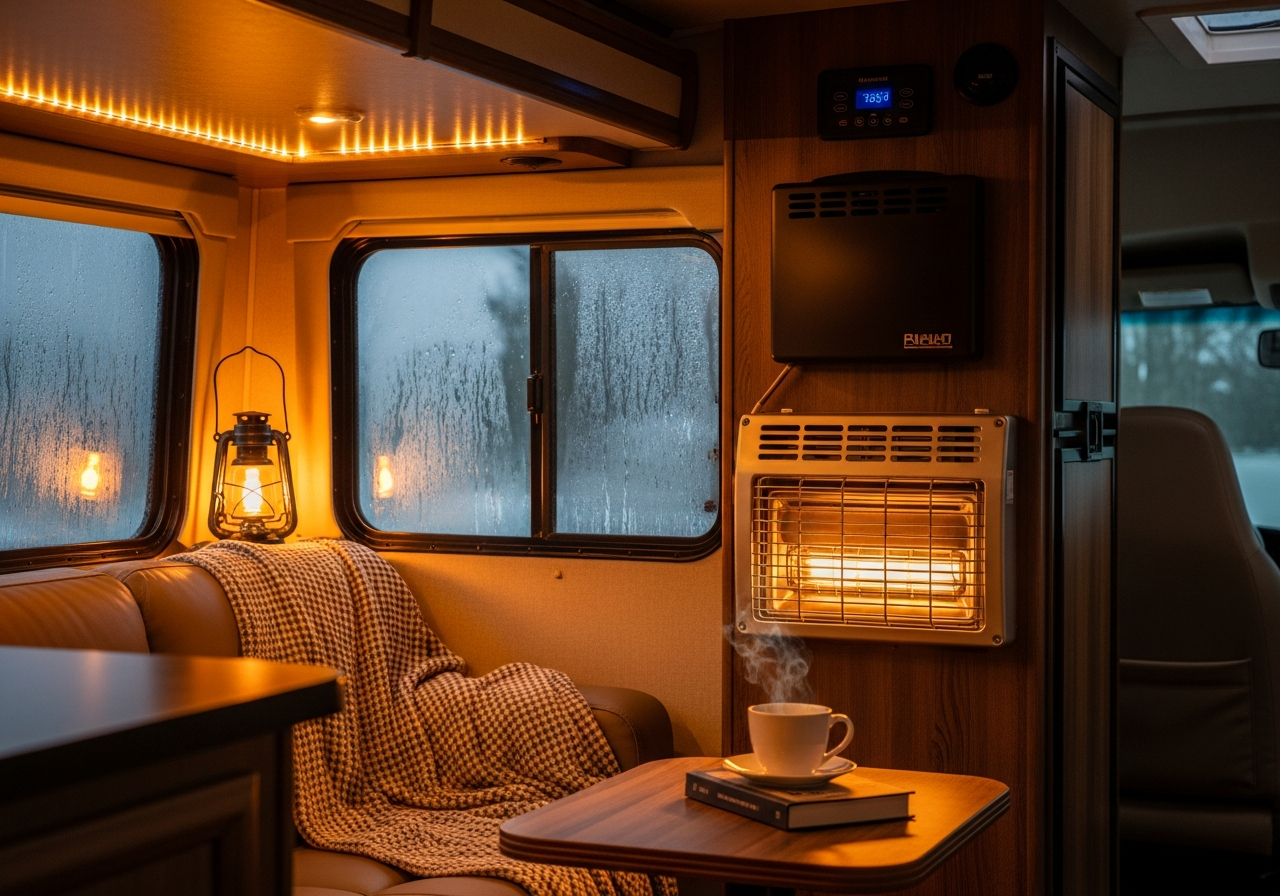
- Space heaters placed too close to fabrics
- Battery system issues, including poor connections or charging problems
The good news is that many of these hazards are preventable with routine checks and better daily habits.
The Most Important RV Fire Prevention Basics
1. Maintain working detectors and extinguishers
Every RV should have smoke alarms, carbon monoxide alarms, and at least one fire extinguisher in accessible locations. We recommend checking expiration dates, replacing weak batteries, and making sure everyone in the RV knows where the extinguisher is stored.
2. Inspect propane systems regularly
Propane is essential for many RVs, but leaks can become dangerous fast. Check hoses, fittings, regulators, and appliance connections for wear, cracking, or corrosion.
3. Treat electrical systems carefully
Loose cords, overloaded outlets, damaged adapters, and poor campground power can create heat buildup. Use the correct power connections and inspect cords before every trip.
4. Cook with full attention
Unattended stovetops are a major fire risk. Keep combustibles away from burners and know how to handle a grease fire safely.
5. Keep exits clear
In an emergency, blocked doors or cluttered windows can cost valuable seconds. Maintain a clear path to every exit.
How to Fire-Proof Your RV: Step-by-Step

Step 1: Check all alarms before each trip
- Test smoke and carbon monoxide alarms.
- Replace batteries if alerts are weak or inconsistent.
- Confirm the alarm date; replace units that have aged out.
Safety tip: Do not remove batteries to stop nuisance chirping. Replace the battery or the detector instead.
Step 2: Inspect fire extinguishers
- Verify the pressure gauge is in the safe zone.
- Check that the pin and tamper seal are intact.
- Make sure the extinguisher is mounted securely and easy to reach.
- Review the PASS method: Pull, Aim, Squeeze, Sweep.
Safety tip: A small extinguisher is for small, contained fires only. If the fire is growing, evacuate immediately.
Step 3: Inspect propane connections
- Turn off propane appliances.
- Open the propane valve slowly.
- Apply a leak-detection solution or soapy water to fittings and hoses.
- Watch for bubbles that indicate a leak.
- Shut off the gas and repair leaks before using the system.
Safety tip: Never use an open flame to check for a propane leak.
Step 4: Inspect shore power and electrical components
- Look for melted plugs, discoloration, cracked insulation, or loose connections.
- Check extension cords and adapters for damage.
- Make sure cords are fully inserted and not under tension.
- Avoid overloading outlets with high-draw appliances.
Safety tip: If a plug feels unusually hot, disconnect power and investigate before using it again.
Step 5: Make the kitchen safer
- Clean grease from the stovetop, oven, and vent area.
- Keep towels, paper products, and packaging away from burners.
- Stay in the RV while cooking.
- Keep a lid nearby to smother a small pan fire.
Safety tip: Never throw water on a grease fire. Turn off the heat if safe, cover the pan, and evacuate if the fire spreads.
Step 6: Reduce engine and generator fire risks
- Check fluid levels and look for leaks.
- Inspect belts, hoses, and wiring for wear.
- Remove leaves, oil residue, and debris from engine or generator compartments.
- Follow service intervals for the chassis and generator.
Safety tip: Let hot mechanical components cool before inspecting closely.
What to Do in an RV Fire Emergency
1. Get everyone out immediately
If you see flames or heavy smoke, evacuate first. Help children, older adults, and pets exit quickly.
2. Call 911 or local emergency services
Call as soon as you are at a safe distance. Give the exact location, campground name, site number, highway marker, or GPS coordinates if possible.
3. Shut off fuel or power only if it is safe
If the fire is very small and you can do so without delay or danger, shut off propane or disconnect shore power. If not, leave it to first responders.
4. Use a fire extinguisher only for a small, contained fire
Use the extinguisher only if:
- The fire is small and not spreading rapidly
- You have a clear exit behind you
- The air is still breathable
- You know how to use the extinguisher
If any of these conditions are not true, evacuate.
5. Move away from the RV
Propane cylinders, fuel systems, and tires can intensify a fire. Stay well clear and keep others back.
6. Do not re-enter the RV
Even if the fire looks out, hidden heat, toxic smoke, or structural damage may remain.
Troubleshooting Common RV Fire Hazards
1. Problem: Burning smell near outlets or breaker panel
Diagnostic steps:
- Turn off or unplug appliances on the affected circuit.
- Check whether an outlet, adapter, or plug feels hot.
- Look for discoloration, melted plastic, or tripped breakers.
- Consider whether you recently added a high-draw appliance.
Likely cause: Overloaded circuit, loose connection, or failing outlet.
Solution: Disconnect power, stop using the circuit, and have the issue inspected and repaired before reuse.
2. Problem: Propane odor inside or outside the RV
Diagnostic steps:
- Extinguish flames and avoid switches or sparks.
- Shut off propane at the tank if safe.
- Open doors and windows for ventilation.
- Use leak-detection solution on fittings after the area is safe.
Likely cause: Loose fitting, damaged hose, regulator issue, or appliance leak.
Solution: Do not use the propane system until the leak is identified and repaired.
3. Problem: Battery compartment feels hot or smells unusual
Diagnostic steps:
- Turn off charging sources if safe.
- Inspect for swollen battery cases, corrosion, or loose cables.
- Check for signs of overcharging or damaged wiring.
- Confirm the charging system is set correctly for the battery type.
Likely cause: Charging fault, failing battery, poor ventilation, or loose connection.
Solution: Stop charging, isolate the issue, and have the battery and charging system evaluated before continued use.
4. Problem: Repeated nuisance alarms from smoke or CO detector
Diagnostic steps:
- Check battery strength and detector age.
- Clean dust from the unit according to manufacturer instructions.
- Confirm proper placement away from steam-heavy areas if applicable.
- Review whether propane appliances are venting correctly.
Likely cause: Low battery, expired detector, dust, or actual combustion issue.
Solution: Replace batteries or the detector as needed, and investigate appliance venting if alarms continue.
Seasonal RV Fire Safety Maintenance Guide
Routine maintenance is one of the best ways to prevent emergencies. We recommend building fire safety checks into every season.
Spring checklist: Before peak travel season
- Test all smoke, CO, and propane detectors.
- Inspect and recharge or replace fire extinguishers as needed.
- Check propane hoses, regulator, and fittings.
- Inspect shore power cord, adapters, and breaker panel.
- Clean stove, oven, range hood, and engine compartments.
- Confirm emergency exits open easily.
Summer checklist: High-use and high-heat conditions
- Watch for overloaded circuits from air conditioners and kitchen appliances.
- Inspect tires for underinflation or damage that can create heat.
- Keep grills, generators, and campfires well away from the RV.
- Monitor battery temperatures during heavy charging or solar use.
Fall checklist: Storage prep and heater season
- Service furnaces and portable heating equipment.
- Remove flammable clutter from storage bays and interior spaces.
- Check weather seals so leaves and debris do not collect near hot components.
- Review your family evacuation plan before off-season trips.
Winter checklist: Cold-weather camping and storage
- Use only approved heating methods for the RV.
- Keep space heaters away from bedding, curtains, and clothing.
- Monitor battery systems closely in freezing temperatures.
- If storing the RV, disconnect power properly and follow battery storage guidance.
A Simple Family Fire Escape Plan for RVers
Every traveler in the RV should know what to do before an emergency happens.
Step-by-step escape plan
- Identify the main door and all emergency windows.
- Practice opening each exit.
- Choose an outdoor meeting spot a safe distance away.
- Assign who helps children, pets, or anyone with limited mobility.
- Review how to call emergency services from the campground or roadside.
- Practice the plan at least once each travel season.
A short practice drill can make a real difference when stress is high.
Everyday Habits That Lower Fire Risk
Keep these practical habits in mind
- Turn off appliances when leaving the RV.
- Do not store combustibles near the furnace, water heater, or refrigerator vents.
- Allow generators and grills to cool before storing nearby items.
- Secure loose items so they do not fall onto cooktops or heaters in transit.
- Investigate unusual smells, flickering power, or repeated breaker trips right away.
- Keep maintenance records so recurring issues are easier to spot.
Key Takeaways
- RVs face unique fire risks because fuel, electricity, heat, and living space are tightly packed together.
- The best rv fire safety prevention tips start with alarms, extinguishers, propane inspections, and electrical checks.
- Cooking, shore power, batteries, engines, and generators deserve regular attention.
- In a fire, evacuation comes first; only fight a very small fire if you have a clear exit and the right extinguisher.
- Seasonal maintenance and a practiced family escape plan can reduce risk and improve response time.
Fire safety is not about fear; it is about preparation. We researched the habits and maintenance steps that matter most, and the pattern is clear: small inspections done consistently can prevent much larger emergencies later.