How to Secure Your RV from Theft at Campgrounds and Storage

Salem Hassan founded Travelcamp RV and brings 30+ years of hands-on RV, marine, and powersports retail experience to every review.
✎ Reviewed by Salem Hassan — Founder, Travelcamp RV · 30+ years in RV, marine, and powersports retail
Why trust us
ShopRVGear articles are researched by the Searchshop Editorial team using manufacturer specs, RV trade sources, and owner feedback. We match every recommendation to your RV class — Class A, B, C, fifth-wheel, or travel trailer — because gear that works in a 40-ft motorhome often does not fit a Class B van. We may earn a commission on qualifying purchases; it does not change what we recommend.
How to Secure Your RV from Theft at Campgrounds and Storage
If you are wondering how to secure rv from theft camping, the best approach is to think in layers. RV theft prevention is not about one lock or one camera. It is about making your rig harder to steal, harder to enter, and less attractive to thieves at campgrounds, overnight stops, and storage lots. We researched the most effective habits, physical security measures, and maintenance routines so you can protect your RV with practical steps that fit real travel and storage conditions.
Why RVs Are Vulnerable to Theft

RVs combine the risks of a vehicle, a home, and a storage unit. At campgrounds, thieves may look for easy access to doors, pass-through compartments, bikes, generators, or catalytic converters. In storage, criminals often target rigs that sit unattended for weeks or months.
Common theft risks include:
- Full RV theft, including towables and motorhomes
- Break-ins through entry doors, cargo hatches, or windows
- Theft of attached gear like bikes, grills, ladders, and generators
- Theft of parts such as batteries, propane tanks, and catalytic converters
- Key theft or unauthorized use by someone with access to your site or storage area
The goal is to reduce opportunity. Most thieves prefer easy targets. When your RV looks monitored, locked, and difficult to move, they often move on.
Step-by-Step: How to Secure Your RV from Theft
1. Choose a Safer Campsite or Storage Spot
Where you park matters as much as what security gear you use.
At campgrounds, we recommend:
- Pick a site with good lighting.
- Stay where your entry door is visible from neighboring sites or the host area.
- Avoid isolated corners when possible.
- Park so your hitch, tow vehicle connection, or driver-side controls are not easy to access from the road.
- Ask campground staff about prior security issues and patrol routines.
At storage lots, we recommend:
- Choose a facility with gated access, cameras, and individual access logs.
- Look for perimeter fencing in good repair.
- Ask whether staff live on-site or monitor activity after hours.
- Prefer a spot visible from cameras and not hidden behind large structures.
- Read the contract to understand liability, access hours, and insurance requirements.
Safety tip: Do not post your exact site number or storage location publicly on social media while you are away from the RV.
2. Lock the RV in Layers
A single factory lock is not enough. Layered security slows entry and increases the chance a thief gives up.
Use these layers:
- Lock the main entry door every time you leave, even for short walks.
- Secure baggage doors and pass-through compartments.
- Lock windows and verify emergency exits still function properly from inside.
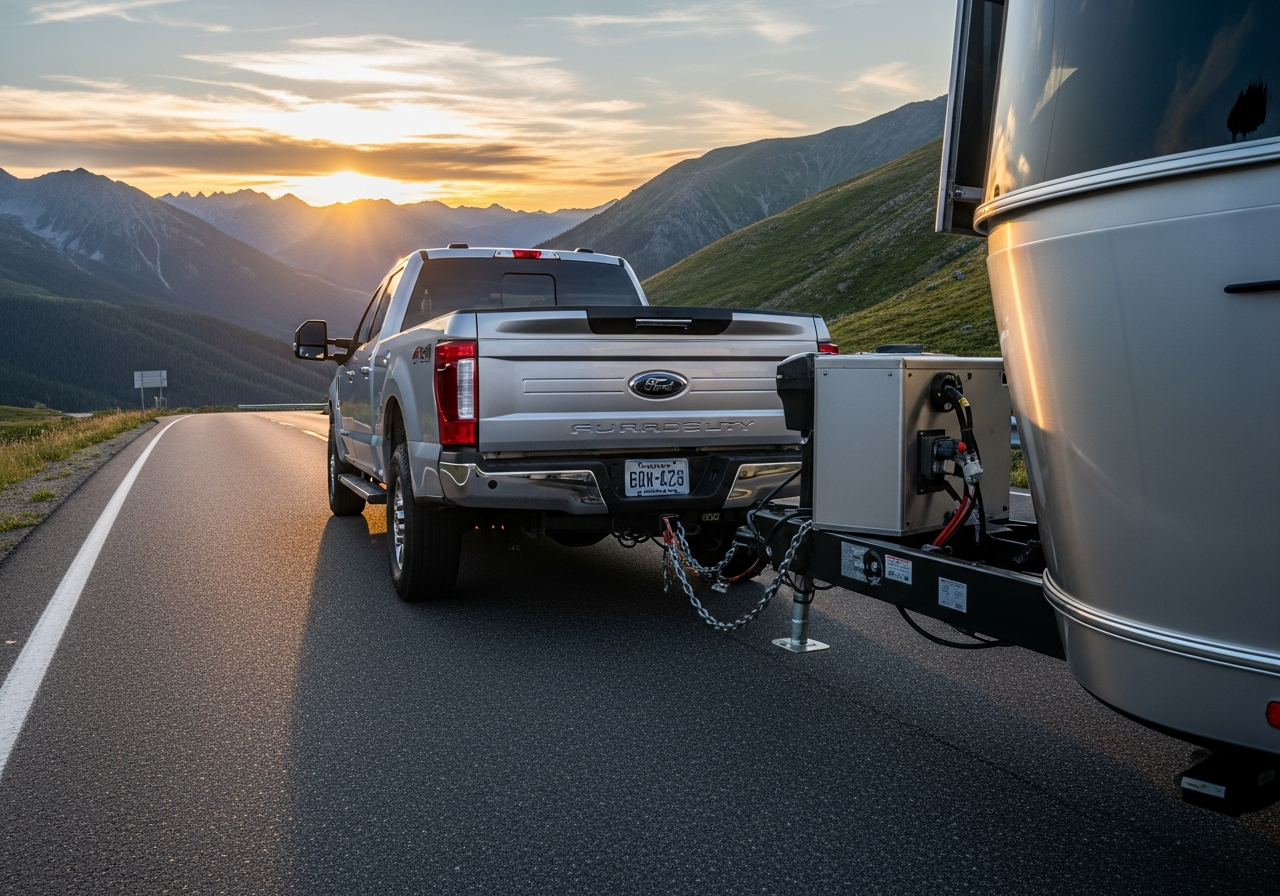
- Use a hitch lock on travel trailers and fifth wheels in storage or when unhitched.
- Add wheel locks or chocks with locking features for towables.
- For motorhomes, use steering wheel or pedal locks when parked for extended periods.
Safety tip: Never block emergency egress from the inside. Everyone in the RV should know how to exit quickly in an emergency.
3. Prevent Tow-Away Theft
Towables are especially vulnerable because a thief may try to hook up and leave in minutes.
To reduce that risk:
- Remove or lock the hitch coupler access point.
- Use a coupler lock that fully prevents ball insertion.
- Add a wheel boot or heavy-duty wheel lock.
- Park with the trailer tongue facing an obstacle when possible.
- Back the trailer close to a wall, post, or another vehicle if allowed.
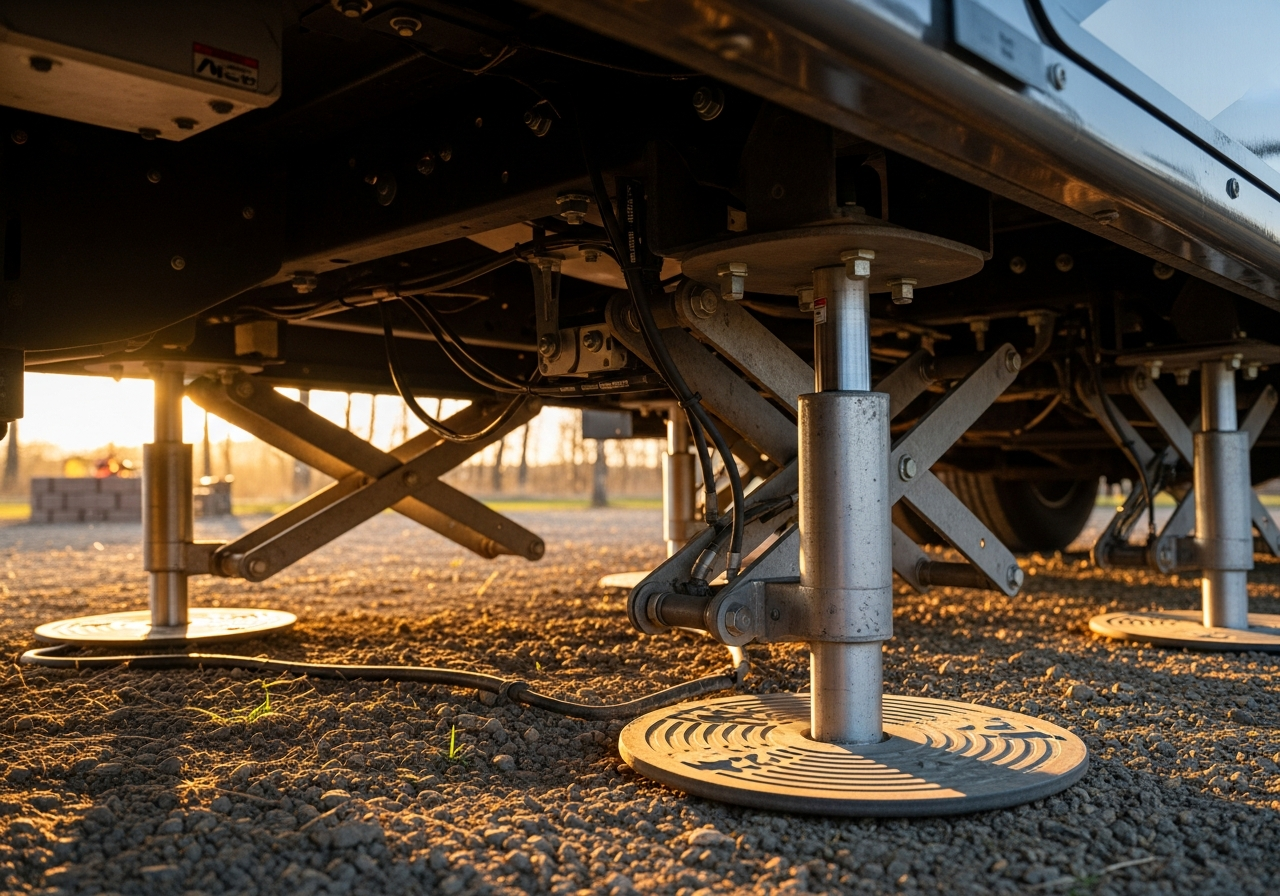
- Lower stabilizers only as directed by your manufacturer, but do not rely on them as security devices.
For motorhomes:
- Turn wheels toward a curb or obstacle where appropriate.
- Engage parking brake and any factory immobilizer system.
- Remove valuables and spare keys from the cab area.
4. Protect Keys, Fobs, and Access Codes
Many thefts happen because access is easier than owners realize.
Follow these steps:
- Do not hide spare keys on the RV exterior.
- Store backup keys in a separate secure location.
- Change keypad or smart lock codes after buying a used RV.
- Update storage gate codes if the facility allows individual credential changes.
- Keep registration and ownership documents out of plain sight.
- If your RV has app-based access, use strong passwords and two-factor authentication.
5. Make Valuables Less Visible
Thieves often peek through windows before deciding whether to break in.
We recommend:
- Close blinds or shades when leaving.
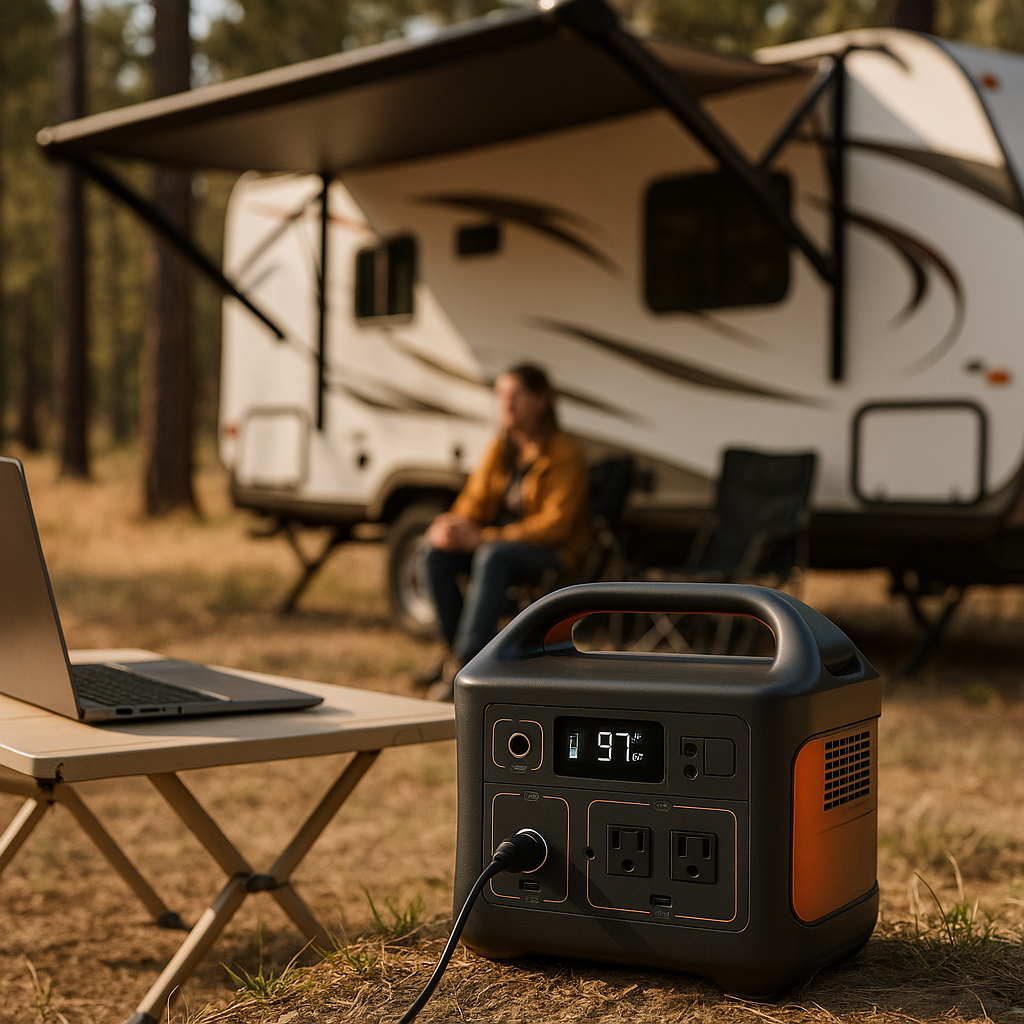
- Store laptops, tablets, wallets, and tools out of sight.
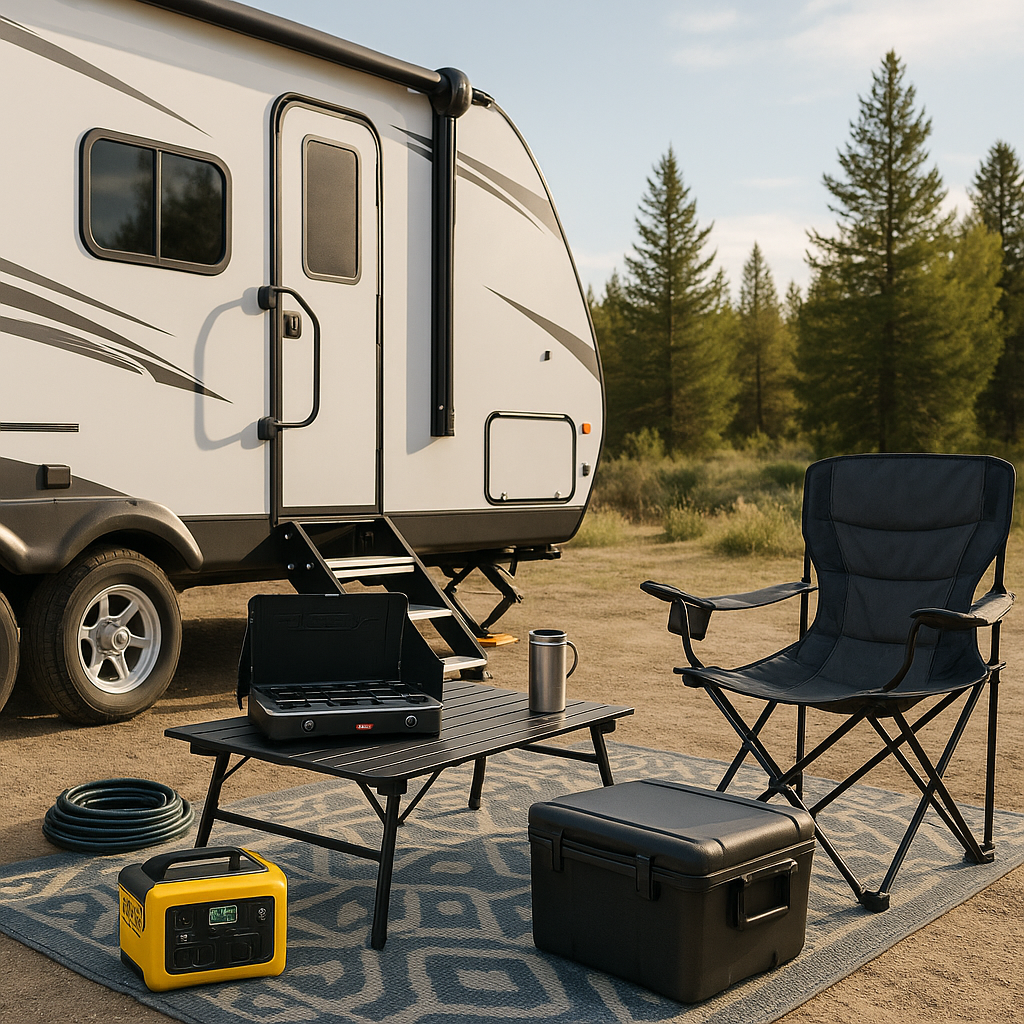
- Avoid leaving portable generators, coolers, or grills unsecured outside.
- Use compartment organization so expensive gear is not visible when a hatch is opened.
- Record serial numbers for electronics, batteries, and accessories.
6. Use Lighting, Alarms, and Visible Deterrents
Visible deterrents matter because they increase perceived risk.
Helpful options include:
- Motion-sensor exterior lighting where permitted.
- Door and compartment alarms.
- Window stickers indicating alarm or GPS tracking presence.
- Battery-backed cameras or trail cameras for storage situations.
- GPS tracking devices for towables and motorhomes.
Safety tip: Any battery-powered security system should be checked regularly so it does not fail when shore power is disconnected.
7. Secure Exterior Gear and High-Theft Components
Not all theft involves the whole RV.
Targeted items include:
- Bikes
- Generators
- Propane tanks
- Batteries
- Catalytic converters
- Cargo carriers and toolboxes
Steps to help protect them:
- Use hardened chains or locking mounts for portable gear.
- Remove small valuables from exterior racks overnight.
- Install battery box locks where appropriate.
- Consider catalytic converter shields or anti-theft marking.
- Lock spare tires and cargo trays.
8. Build a Simple Departure and Storage Routine
Consistency prevents mistakes.
Before leaving your campsite for the day:
- Lock all doors, windows, and compartments.
- Put away portable gear.
- Close curtains or shades.
- Verify alarm or cameras are active.
- Take keys with you.
Before placing the RV in storage:
- Remove valuables and important documents.
- Lock hitch, wheels, and compartments.
- Disconnect or secure batteries according to your setup.
- Photograph the RV exterior and odometer or trailer condition.
- Confirm insurance is active during storage.
Troubleshooting Common RV Security Problems

1. Problem: Locks Feel Loose or Do Not Latch Properly
Diagnostic steps:
- Check whether the strike plate is misaligned.
- Look for sagging doors or loose mounting screws.
- Inspect for rust, dirt, or damaged lock cylinders.
- Test whether the issue happens only when the RV is unlevel.
Solutions:
- Tighten hardware and adjust the strike plate.
- Clean and lubricate lock components with a lock-safe product.
- Replace worn cylinders or bent latch parts.
- Recheck door fit after leveling the RV.
2. Problem: Alarm, Camera, or Tracker Loses Power
Diagnostic steps:
- Verify battery charge level.
- Check inline fuses and power connections.
- Confirm solar chargers or converters are functioning.
- Review app alerts for low-voltage warnings.
Solutions:
- Recharge or replace backup batteries.
- Repair loose wiring and blown fuses.
- Move the device to a more reliable power source.
- Set a monthly reminder to confirm device status.
3. Problem: Hitch Lock or Wheel Lock Is Hard to Remove
Diagnostic steps:
- Inspect for rust or road grime.
- Check whether pressure on the coupler or wheel is binding the lock.
- Confirm you are using the correct key.
Solutions:
- Relieve pressure by slightly repositioning the trailer if safe.
- Clean and lubricate the lock.
- Replace locks that show corrosion or sticking.
4. Problem: Repeated Theft of Small Exterior Items
Diagnostic steps:
- Identify where items are left visible or unsecured.
- Review camera angles or ask neighbors what they observed.
- Check whether the campground or lot has blind spots.
Solutions:
- Move portable gear inside when unattended.
- Upgrade to locking mounts or cables.
- Relocate to a more visible site or better-monitored storage row.
Seasonal RV Security Maintenance Guide
Security gear needs upkeep just like tires, seals, and batteries.
Spring Checklist
- Inspect all door, compartment, and hitch locks.
- Replace weak batteries in alarms, trackers, and cameras.
- Update app passwords and access codes.
- Review insurance coverage before travel season starts.
- Confirm VIN, plate, and serial number records are current.
Summer Checklist
- Check locks for dust, grit, and heat-related wear.
- Verify exterior lighting still works after frequent travel.
- Inspect bike racks, cargo trays, and generator mounts.
- Reassess campsite habits during peak campground traffic.
Fall Checklist
- Deep clean and lubricate locks before wet or freezing weather.
- Test motion sensors and camera visibility in lower light.
- Photograph the RV before long-term storage.
- Remove valuables and temperature-sensitive electronics.
Winter Checklist
- Visit stored RVs regularly if possible.
- Check for tampering, flat tires, broken seals, or cut locks.
- Maintain battery health for any active security systems.
- Clear snow or debris that may hide forced-entry damage.
Step-by-Step Security Inspection Routine
Use this 10-minute routine once a month or before any long trip.
Exterior Inspection
- Walk around the RV and inspect doors, hatches, and windows.
- Look for pry marks, cracked seals, or bent hardware.
- Test hitch locks, wheel locks, and spare tire locks.
- Check camera mounts, lenses, and lighting.
Interior Inspection
- Verify all lock mechanisms engage smoothly.
- Test alarm sensors and control panels.
- Confirm emergency exits still open properly.
- Review where you store keys, documents, and valuables.
Documentation Check
- Confirm registration and insurance are current.
- Update your inventory of electronics and accessories.
- Save recent photos of the RV and identifying marks.
- Store digital copies of records in a secure cloud account.
What to Do If Theft or a Break-In Happens
Even with strong prevention, incidents can still happen.
- Do not confront a thief directly if you suspect someone is on or near your RV.
- Move to a safe location and call local law enforcement or campground management.
- Photograph damage, cut locks, tire marks, and missing items.
- Review camera footage or tracking data if available.
- Contact your insurer promptly.
- Change access codes and rekey locks if keys may have been compromised.
Final Thoughts
The best answer to how to secure rv from theft camping is to combine smart parking choices, layered locks, visible deterrents, and a repeatable routine. We researched the most practical methods and found that consistent habits often matter as much as hardware. When your RV looks occupied, monitored, and difficult to move or enter, you lower the odds of becoming an easy target.
Key Takeaways
- Use layered security: door locks, compartment locks, hitch or wheel locks, and visible deterrents.
- Choose well-lit, visible campsites and monitored storage spaces.
- Protect keys, codes, and documents as carefully as the RV itself.
- Remove or hide valuables and secure exterior gear every time you leave.
- Maintain alarms, trackers, lights, and locks with seasonal checklists.
- If a problem appears, diagnose it early so a weak lock or dead battery does not create an easy opportunity for theft.