RV Camping Gear Checklist: Everything You Need for Any Adventure

Salem Hassan founded Travelcamp RV and brings 30+ years of hands-on RV, marine, and powersports retail experience to every review.
✎ Reviewed by Salem Hassan — Founder, Travelcamp RV · 30+ years in RV, marine, and powersports retail
Why trust us
ShopRVGear articles are researched by the Searchshop Editorial team using manufacturer specs, RV trade sources, and owner feedback. We match every recommendation to your RV class — Class A, B, C, fifth-wheel, or travel trailer — because gear that works in a 40-ft motorhome often does not fit a Class B van. We may earn a commission on qualifying purchases; it does not change what we recommend.
RV Camping Gear Checklist: Everything You Need for Any Adventure
A reliable rv camping gear checklist essentials guide helps us avoid the most common travel headaches: forgotten hookups, weak campsite setups, poor storage, and preventable safety issues. Whether we are planning a weekend at a local campground or a long cross-country route, the right gear makes RV camping easier, safer, and more comfortable. We researched the most important categories every RV traveler should review before departure, plus practical setup steps, troubleshooting advice, and seasonal maintenance routines.
Why a Checklist Matters for RV Travel

RV camping involves more moving parts than tent camping or hotel travel. We are managing power, water, waste systems, cooking equipment, sleeping gear, outdoor living items, and emergency supplies all at once. A written checklist reduces stress, saves setup time, and helps us catch small issues before they become expensive repairs.
A good checklist should do three things:
- Cover safety and legal basics first.
- Organize gear by function, not by storage compartment.
- Include setup, troubleshooting, and maintenance reminders.
Core RV Camping Gear Checklist Essentials
Below is a practical master list of items most RV campers should review before every trip.
RV Setup and Utility Gear
These are the basics that make a campsite functional.
- Shore power cord and adapter plugs
- Surge protector or electrical management system
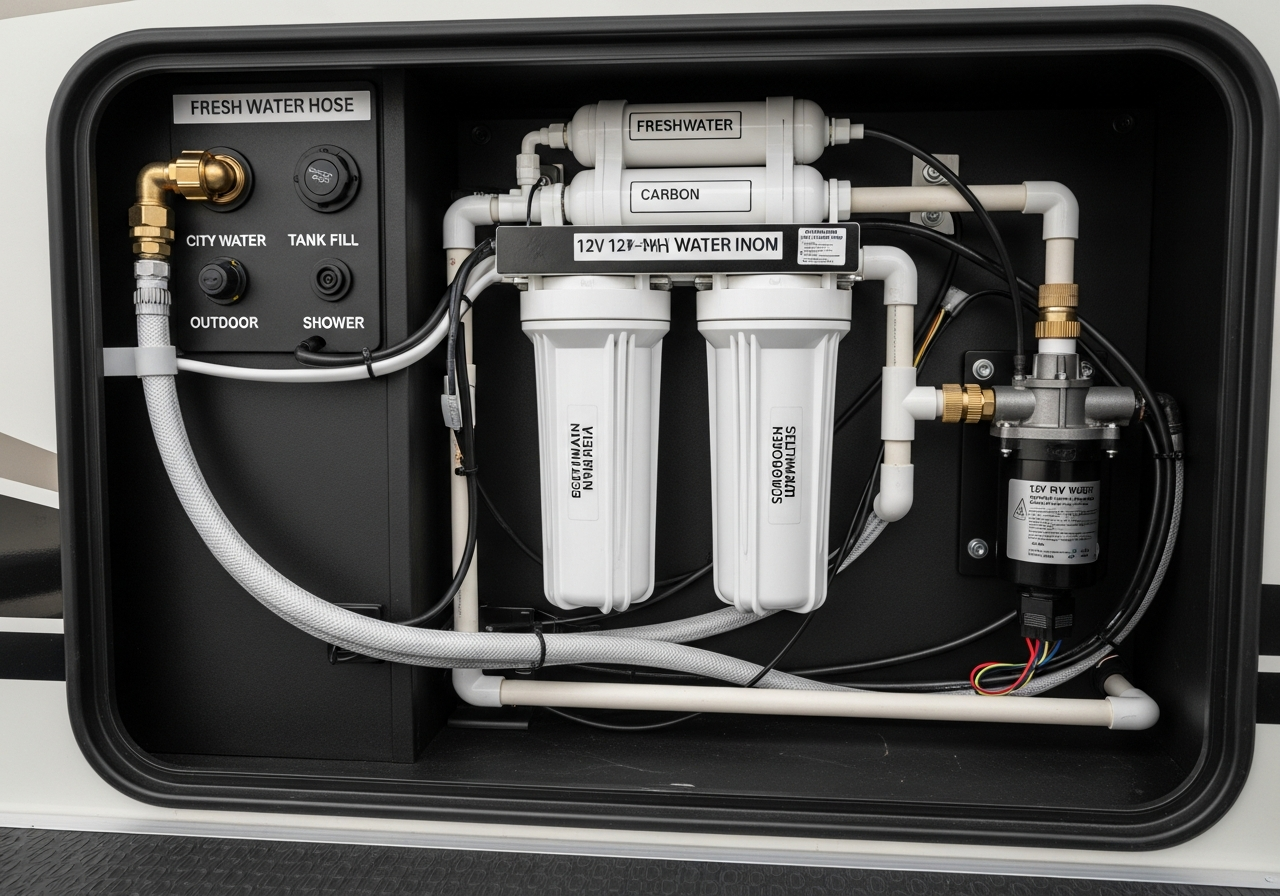
- Fresh water hose rated for drinking water
- Water pressure regulator
- Inline water filter
- Sewer hose with fittings and support
- Black tank flush hose, clearly labeled and stored separately
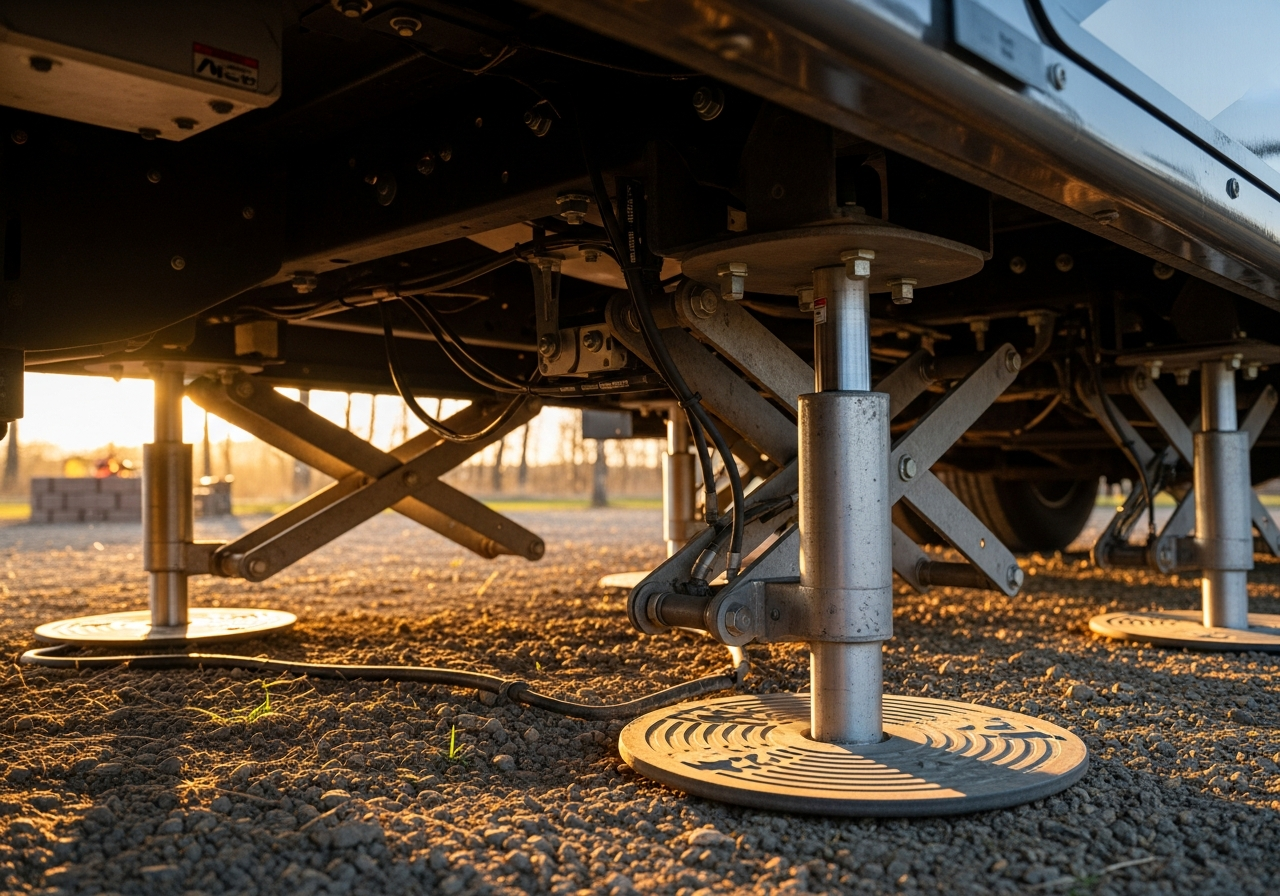
- Leveling blocks or pads
- Wheel chocks
- Jack pads
- Extension cords rated for outdoor use
- Flashlight or headlamp for late arrivals
Safety and Emergency Supplies
We recommend treating this category as non-negotiable.
- Fire extinguisher, checked and accessible
- First aid kit
- Carbon monoxide and smoke alarm with fresh batteries
- Propane leak detector check
- Emergency roadside kit
- Reflective triangles or flares
- Work gloves
- Basic tool kit
- Tire pressure gauge
- Portable air compressor
- Spare fuses
- Battery jump starter
- Weather radio or emergency alerts app
Kitchen and Food Prep Gear
Kitchen gear should be compact, durable, and easy to clean.
- Pots, pans, and cooking utensils
- Plates, bowls, cups, and cutlery
- Can opener and bottle opener
- Food storage containers
- Cutting board and knives
- Dish soap, sponge, and drying towel
- Trash bags
- Paper towels
- Coffee maker or kettle
- Grill tools if cooking outside
- Cooler or extra cold storage if needed
Bedding and Personal Comfort Items
Comfort matters more on longer trips.
- Sheets, blankets, and pillows
- Mattress topper if needed
- Bath towels and washcloths
- Toiletries and medications
- Laundry bag
- Extra layers for changing weather
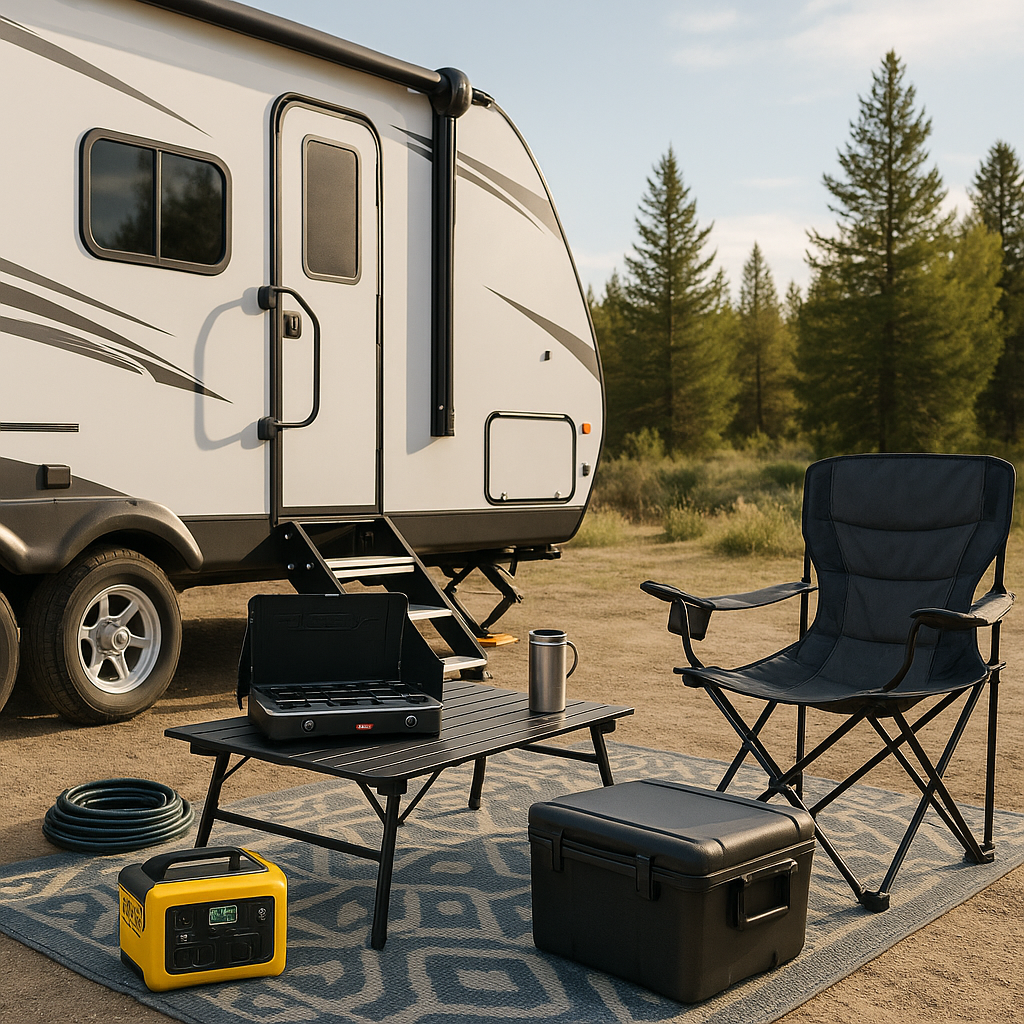
- Camp chairs
- Outdoor mat
- Bug spray and sunscreen
- Portable fan or small heater where appropriate and safe
Outdoor and Campsite Living Gear
These items improve daily life outside the RV.
- Awning tie-downs if conditions allow
- Lanterns or string lights rated for outdoor use
- Folding table
- Portable grill or stove where permitted
- Lighter or matches in waterproof storage
- Picnic supplies
- Bike locks or gear locks
- Storage bins for shoes, tools, or wet gear
Navigation, Communication, and Documents
We often focus on physical gear and forget paperwork.
- Driver’s license and registration
- Insurance documents
- Campground reservations
- Maps or RV-safe GPS routing
- Membership cards for roadside assistance or campgrounds
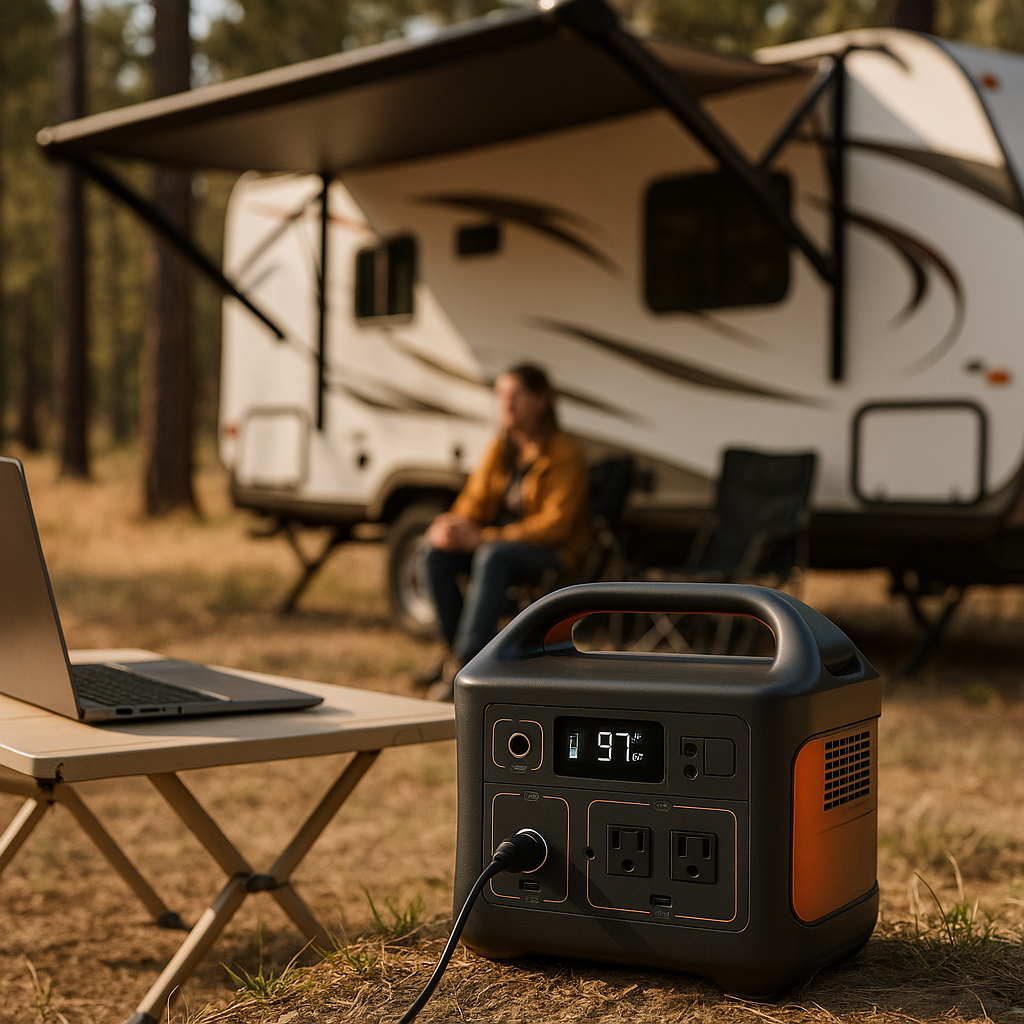
- Phone chargers and backup battery packs
- Notebook with emergency contacts
How to Pack and Prepare for an RV Trip

A checklist works best when paired with a repeatable process.
Step-by-Step Pre-Trip Preparation
Review the route and campground rules. Check road restrictions, weather, hookup availability, generator rules, and fire regulations.
Inspect tires, lights, and mirrors. Confirm tire pressure when cold, inspect tread and sidewalls, and verify brake lights, turn signals, and running lights.
Safety tip: Never begin a trip with questionable tire condition. Tire failure is one of the most common RV travel hazards.
Check power, battery, and propane systems. Make sure batteries are charged, propane valves are functioning, and detectors are working.
Safety tip: If we smell propane, we should shut off the supply, ventilate the area, avoid sparks, and investigate before travel.
Sanitize and fill fresh water as needed. Confirm the hose, regulator, and filter are packed and clean.
Load gear by category. Store utility gear together, kitchen items together, and emergency supplies in an easy-access location.
Secure loose items inside the RV. Lock refrigerator doors, latch cabinets, and secure appliances and décor.
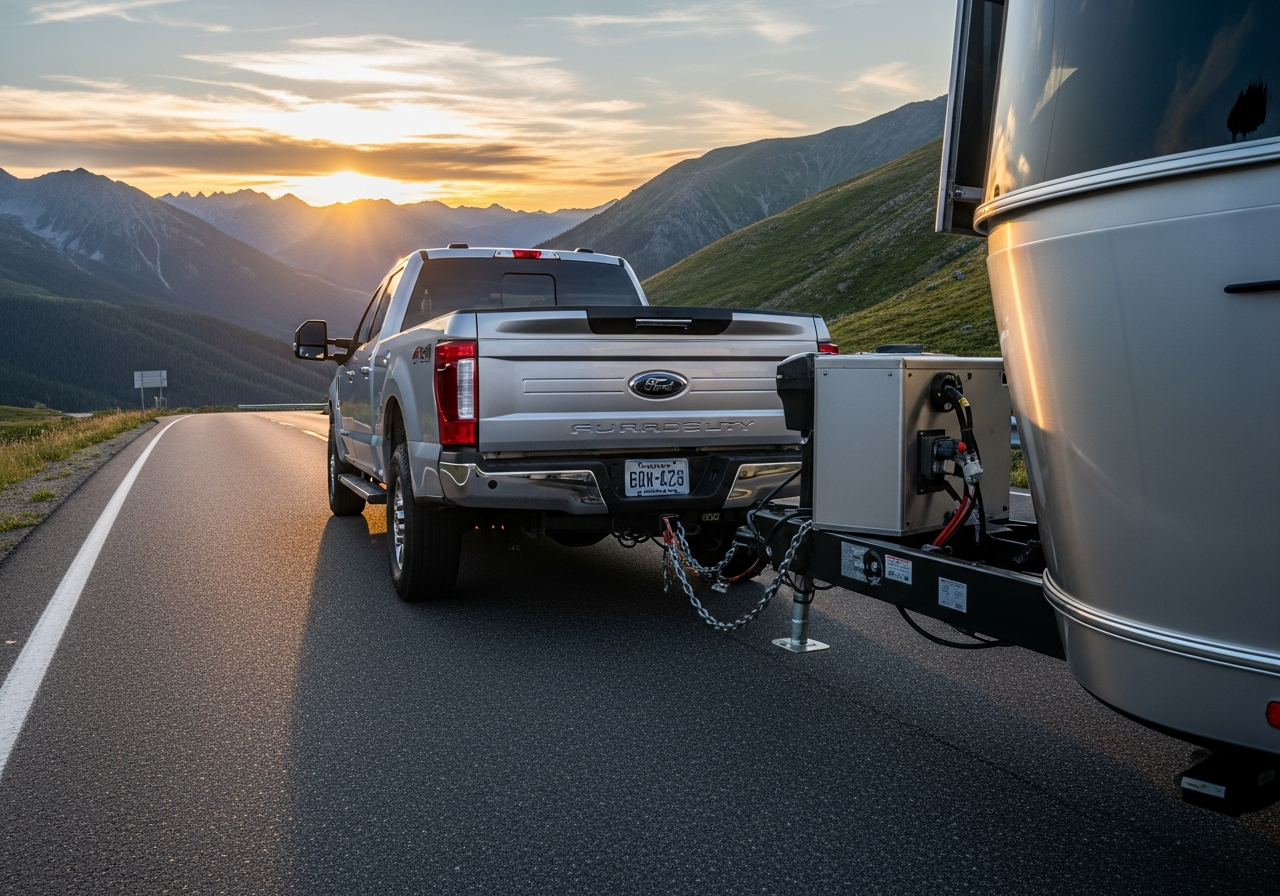
Do a final walk-around. Check steps, awning, antenna, compartments, hitch connection if towing, and chocks removal before departure.
Campsite Setup: A Simple How-To
Arriving organized makes setup faster and safer.
Numbered Campsite Setup Steps
Survey the site before parking. Look for low branches, uneven ground, utility placement, and slide-out clearance.
Position and level the RV. Use leveling blocks as needed and confirm the RV is stable.
Safety tip: Chock wheels before final setup, especially on any slope.
Connect electrical service first. Inspect the pedestal, switch the breaker off if possible, connect surge protection, then plug in the RV.
Safety tip: Do not use damaged cords or overheated adapters.
Connect water with regulator and filter. This protects plumbing from excessive pressure and improves water quality.
Connect sewer only when needed and with secure fittings. Keep the black tank valve closed until dumping time unless a specific campsite system requires otherwise.
Deploy slides and awning carefully. Check for obstructions and avoid extending the awning in strong wind.
Set up outdoor living space. Place chairs, mats, and cooking gear where they do not block walkways or hookups.
Troubleshooting Common RV Camping Gear Problems
Even with a good checklist, problems happen. These quick diagnostic steps can help us narrow down the issue.
1. No Power at the Campsite
Diagnostic steps:
- Check whether the campground pedestal breaker is on.
- Confirm the power cord is fully seated.
- Inspect the surge protector for fault codes.
- Check the RV’s main breaker and GFCI outlets.
- Verify adapter compatibility with the site’s service.
Solutions:
- Reset the pedestal breaker and interior breakers.
- Replace damaged adapters or cords.
- If the surge protector shows a wiring fault, notify campground staff and do not bypass safety protection.
2. Weak or No Water Flow
Diagnostic steps:
- Confirm the spigot is fully open.
- Check the hose for kinks.
- Inspect the regulator and filter for blockage.
- Verify the RV water pump setting if using tank water.
Solutions:
- Straighten the hose and reconnect fittings.
- Replace a clogged filter.
- Use a known-good regulator if pressure seems too low.
3. Sewer Hose Leaks or Poor Drainage
Diagnostic steps:
- Check that fittings are fully locked.
- Inspect the hose for punctures or worn seals.
- Confirm the hose has a downward slope.
- Make sure the tank valves are operating correctly.
Solutions:
- Replace seals or damaged hose sections.
- Use a sewer hose support for better flow.
- Flush the system if buildup is suspected.
4. Battery Drains Too Fast
Diagnostic steps:
- Check battery charge level.
- Identify high-draw devices left on.
- Inspect battery terminals for corrosion.
- Confirm the converter or charging system is working.
Solutions:
- Clean terminals and tighten connections.
- Recharge fully before the next stop.
- Reduce unnecessary loads when off-grid.
- Seek service if the battery will not hold a charge.
Seasonal RV Gear Maintenance Guide
A gear checklist should also change with the season. We recommend reviewing these tasks at least four times a year.
Spring Checklist
- Inspect roof seals, windows, and exterior caulking
- Test all detectors and replace batteries
- Sanitize the fresh water system
- Check tires for winter storage damage
- Repack kitchen and bedding supplies
- Inspect hoses, cords, and fittings for cracks
Summer Checklist
- Clean air conditioner filters
- Check awning fabric and hardware
- Restock sunscreen, hydration gear, and insect repellent
- Monitor tire pressure more frequently in heat
- Verify refrigerator ventilation is clear
Fall Checklist
- Inspect weather seals and slide seals
- Check furnace operation before cold nights
- Restock blankets and cold-weather clothing
- Clean and store summer-only gear
- Review emergency lighting and batteries as daylight shortens
Winter Checklist
- Winterize plumbing if storing in freezing conditions
- Remove or protect water filters and hoses
- Check battery storage and charging plan
- Cover or store sensitive outdoor gear
- Inspect for moisture buildup and ventilation issues
Step-by-Step RV Gear Maintenance Routine
Monthly Maintenance Steps
Inspect all utility connections. Look for cracks in hoses, corrosion on plugs, and loose fittings.
Test safety devices. Press test buttons on smoke, carbon monoxide, and propane detectors.
Check emergency gear. Confirm the fire extinguisher is charged and the first aid kit is stocked.
Clean and dry outdoor equipment. Moisture causes mildew, odors, and premature wear.
Review storage organization. Return heavy items to secure compartments and keep frequently used items accessible.
Before Long-Term Storage
- Empty and clean tanks.
- Remove perishable food and liquids that can freeze.
- Disconnect and maintain batteries properly.
- Store hoses and cords dry and coiled.
- Check for pest entry points and seal where needed.
How to Customize Your Checklist for Different Trips
Not every adventure requires the same loadout. We recommend adjusting your checklist based on trip length, season, and campsite style.
Weekend Trips
Focus on quick setup gear, basic cooking supplies, and minimal clothing. Keep the list simple and avoid overpacking.
Full-Hookup Campgrounds
Prioritize utility gear, comfort items, and outdoor living accessories.
Boondocking or Dry Camping
Add extra water storage, battery management tools, lighting, backup cooking options, and stricter power-use planning.
Family Trips
Include extra bedding, games, child-specific safety items, snacks, and organization bins.
Key Takeaways
- A dependable RV checklist helps us stay organized, safe, and ready for changing conditions.
- The most important categories are utilities, safety, kitchen gear, comfort items, outdoor setup, and documents.
- A repeatable pre-trip and campsite setup process reduces mistakes.
- Basic troubleshooting can solve many common power, water, sewer, and battery issues.
- Seasonal and monthly maintenance protects gear and extends RV system life.
- The best checklist is one we update for each trip rather than using the same list every time.
With a practical system in place, RV travel becomes less about reacting to problems and more about enjoying the road ahead.