National Park RV Camping: What You Need to Know Before You Go

Salem Hassan founded Travelcamp RV and brings 30+ years of hands-on RV, marine, and powersports retail experience to every review.
✎ Reviewed by Salem Hassan — Founder, Travelcamp RV · 30+ years in RV, marine, and powersports retail
Why trust us
ShopRVGear articles are researched by the Searchshop Editorial team using manufacturer specs, RV trade sources, and owner feedback. We match every recommendation to your RV class — Class A, B, C, fifth-wheel, or travel trailer — because gear that works in a 40-ft motorhome often does not fit a Class B van. We may earn a commission on qualifying purchases; it does not change what we recommend.
National Park RV Camping: What You Need to Know Before You Go
If you are planning your first park adventure or refining your routine, these national park rv camping tips can help you avoid the most common headaches before they happen. We researched reservation systems, campground limits, road restrictions, and seasonal planning concerns across major U.S. national parks to build a practical guide for RV travelers. National park camping can be unforgettable, but it often requires more preparation than a private RV resort.
Why National Park RV Camping Is Different

National park campgrounds are often scenic, quiet, and close to trails, visitor centers, and wildlife viewing areas. But they are rarely designed like full-service RV parks. Many campgrounds were built decades ago, long before today’s larger travel trailers, fifth wheels, and motorhomes became common.
That means we recommend planning for:
- Tight roads and narrow campsite approaches
- Length limits for RVs and tow vehicles
- Limited or no hookups
- Generator hour restrictions
- Patchy cell service and limited internet
- Seasonal closures due to snow, fire, flooding, or maintenance
- High demand for reservations, especially in peak months
The more realistic your expectations are, the smoother the trip will be.
How to Plan a National Park RV Trip
1. Confirm the Park Allows Your RV Size
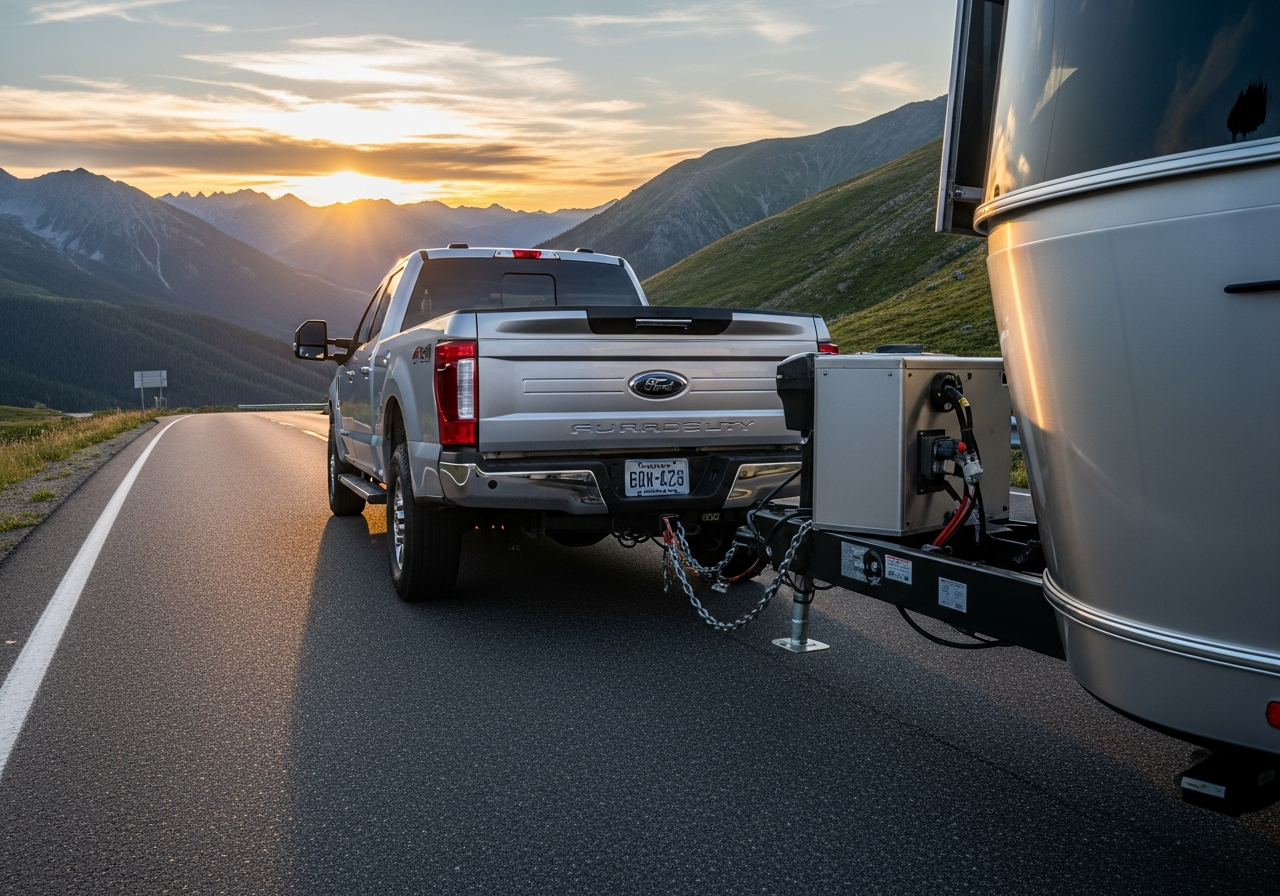
Do not assume that a campground listed as “RV-friendly” can handle your exact rig. Many national park campgrounds list maximum lengths by site, and some roads have strict vehicle limits.
Before booking, verify:
- Your total RV length
- Your tow vehicle length, if applicable
- Combined overall length
- Height and width clearances
- Slide-out space needs
Safety tip: Measure your rig yourself. Manufacturer lengths can differ from real-world bumper-to-hitch measurements.
2. Research Campground Services
Some national park campgrounds offer electric hookups, but many do not. Water may be available only at a shared spigot or dump station. Sewer hookups are uncommon inside many parks.
Check for:
- Electric service availability and amperage
- Potable water access
- Dump station location
- Restroom and shower availability
- Generator rules
- Pet restrictions
- Big-rig accessibility
We recommend saving campground details offline in case you lose signal on the way in.
3. Book Reservations Early
Popular parks can fill months in advance, especially for summer, holidays, and fall color season. Some campgrounds release sites on a rolling basis, while others open bookings six months ahead or on fixed dates.
To improve your chances:
- Identify several campground options inside and outside the park
- Note reservation release dates
- Create accounts in advance on the booking platform
- Be flexible with weekday arrivals and shoulder-season travel
- Check for cancellations regularly
4. Review Road Conditions and Access Rules
A campground reservation does not guarantee an easy drive. Some park roads prohibit propane tunnels, oversized vehicles, or overnight roadside parking. Mountain roads may include steep grades, hairpin turns, and low-speed traffic.
Check:
- Entrance station hours
- Current road construction
- Grade warnings
- Tunnel or bridge restrictions
- Fire restrictions
- Weather advisories
Safety tip: If the park posts warnings for trailers or large motorhomes on a route, do not treat them as suggestions.
5. Prepare for Limited Utilities
Dry camping or partial-service camping is common in national parks. That changes how you manage water, batteries, waste tanks, and refrigeration.
Before departure:
- Fill fresh water if appropriate for your route and weight limits
- Empty gray and black tanks
- Charge batteries fully
- Confirm propane levels
- Pre-cool the refrigerator
- Pack extra drinking water
What to Expect at the Campsite

Check-In and Site Setup
National park campsites can be uneven, wooded, and less forgiving than paved commercial RV resorts. Arrive during daylight whenever possible.
Use this setup process:
- Walk the site before pulling in
- Identify trees, rocks, posts, and utility locations
- Check pad length and levelness
- Back in slowly with a spotter if available
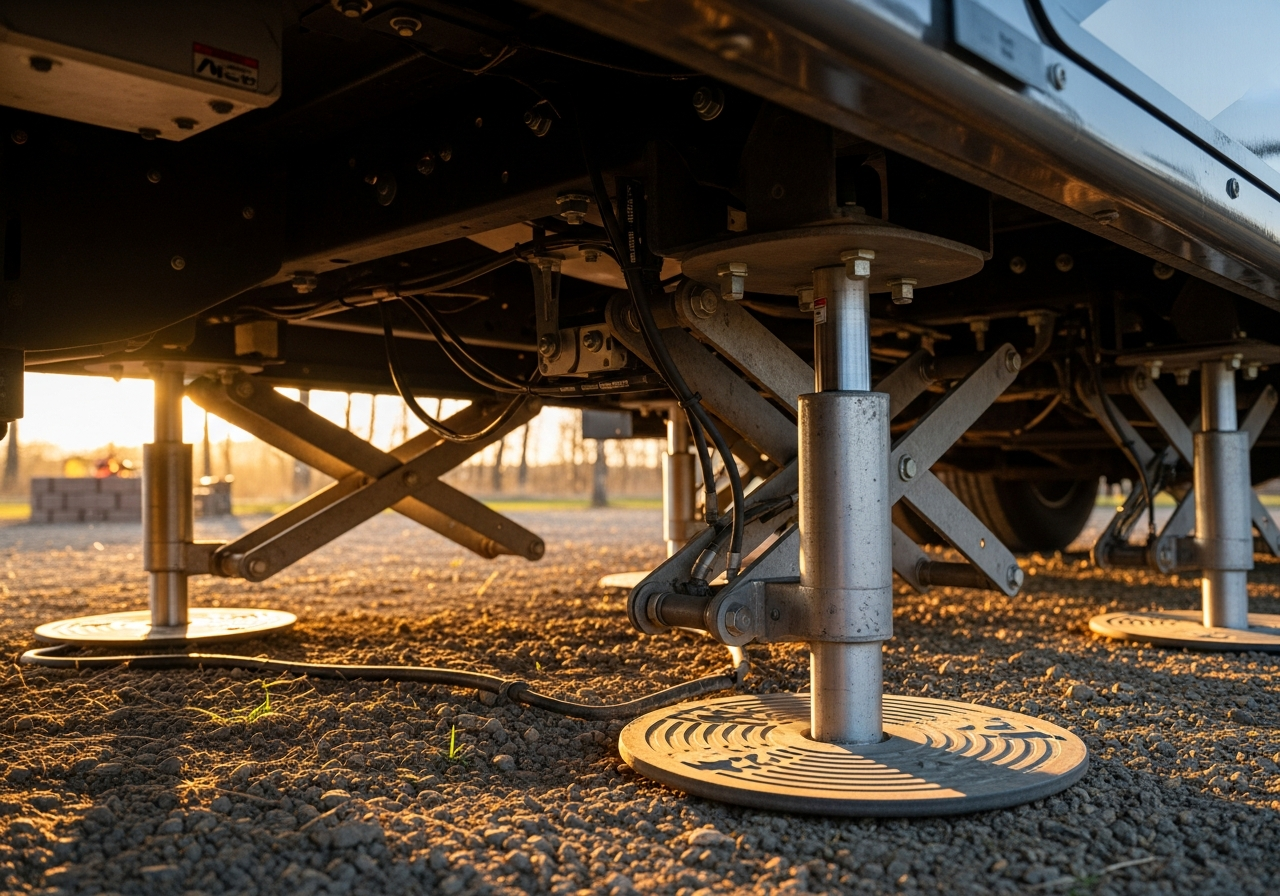
- Level the RV before extending slides
- Confirm slide and awning clearance
- Connect utilities only after stable setup
Safety tip: Never rely only on backup cameras. A ground guide can help prevent damage from hidden stumps, boulders, or low branches.
Wildlife and Food Storage
Many parks have strict food storage rules because of bears, raccoons, ravens, and other wildlife. Even if food is inside your RV, you should follow posted guidance.
Best practices include:
- Keep trash contained and dispose of it promptly
- Do not leave coolers, grills, or pet food outside unattended
- Clean outdoor cooking areas immediately
- Store scented items as directed by the park
- Never feed wildlife
Quiet Hours and Generator Use
Generator use is often limited to specific daytime windows. Quiet hours are enforced more strictly in national parks than in many private campgrounds.
We recommend checking campground rules before arrival and planning battery usage around those limits.
Troubleshooting Common National Park RV Camping Problems
1. Problem: Your RV Does Not Fit the Site
Diagnostic steps:
- Recheck the reservation details for maximum site length
- Measure the usable parking pad, not just the total site footprint
- Look for obstacles such as rocks, trees, or sharp approach angles
- Ask a ranger or campground host whether a site swap is possible
Solutions:
- Request a different site if one is available
- Use an overflow or nearby gateway campground for the night
- Unhitch a towable and reposition if park rules allow
- Shorten your stay strategy by moving to a better-sized site later
2. Problem: No Hookups or Weak Power Availability
Diagnostic steps:
- Confirm whether your site actually includes hookups
- Check pedestal breakers if electric is provided
- Inspect your power cord and adapter connections
- Monitor battery voltage and appliance load
Solutions:
- Shift to battery-friendly use of lights and fans
- Run high-draw appliances less often
- Use generator hours efficiently if allowed
- Refill water and dump tanks at central stations as needed
3. Problem: Uneven Site Causes Setup Trouble
Diagnostic steps:
- Check front-to-back and side-to-side level
- Inspect tire placement and stabilizer contact points
- Confirm slide-out clearance after leveling
Solutions:
- Use leveling blocks in small increments
- Reposition before fully deploying slides
- Avoid overextending jacks on unstable ground
- Ask staff whether another site is safer for your rig
4. Problem: Limited Cell Service Disrupts Navigation or Booking
Diagnostic steps:
- Confirm whether the issue is park-wide or device-specific
- Move to a higher or more open area if safe and allowed
- Check offline maps and saved reservation details
Solutions:
- Download maps before entering the park
- Screenshot reservation confirmations and campground rules
- Tell a contact your route and ETA in advance
- Use visitor centers for current updates when signal is unavailable
5. Problem: Water Conservation Becomes Critical
Diagnostic steps:
- Check fresh tank level daily
- Monitor gray tank fill rate
- Review where water use is highest
Solutions:
- Switch to quick-rinse dishwashing methods
- Take shorter showers or use campground facilities
- Use paper goods selectively to reduce dishwashing
- Refill only at approved potable water stations
Seasonal Maintenance Guide for National Park RV Travel
National park conditions vary dramatically by season. A little preventive maintenance can help you avoid breakdowns and campsite frustration.
Spring Checklist
After winter storage or before your first big trip:
- Inspect roof seals, windows, and slide seals
- Test battery charge and terminal condition
- Sanitize the fresh water system
- Check tires for age, pressure, and sidewall cracking
- Test brakes, lights, and turn signals
- Verify propane system operation
- Restock emergency supplies
Summer Checklist
Peak travel season means heat, crowds, and longer driving days.
- Inspect coolant and engine fluids for motorized RVs
- Check tire pressure before each travel day
- Clean AC filters and test cooling performance
- Monitor refrigerator temperature in hot weather
- Carry extra drinking water
- Review wildfire alerts and fire restrictions
Fall Checklist
Shoulder season can be ideal for quieter park visits, but temperatures can swing quickly.
- Inspect furnace operation
- Check weather seals around doors and compartments
- Test exterior lights for shorter daylight hours
- Prepare layered bedding and cold-weather clothing
- Watch for early snow or freezing forecasts in mountain parks
Winter Checklist
Some parks remain open year-round, but winter RV travel requires extra caution.
- Winterize plumbing if the RV will be stored or exposed to hard freezes
- Check antifreeze procedures for your specific RV system
- Protect batteries from deep discharge during storage
- Cover or maintain tires properly during long idle periods
- Remove perishables and moisture-prone items before storage
Step-by-Step Basic RV Maintenance Before a Park Trip
Water System Prep
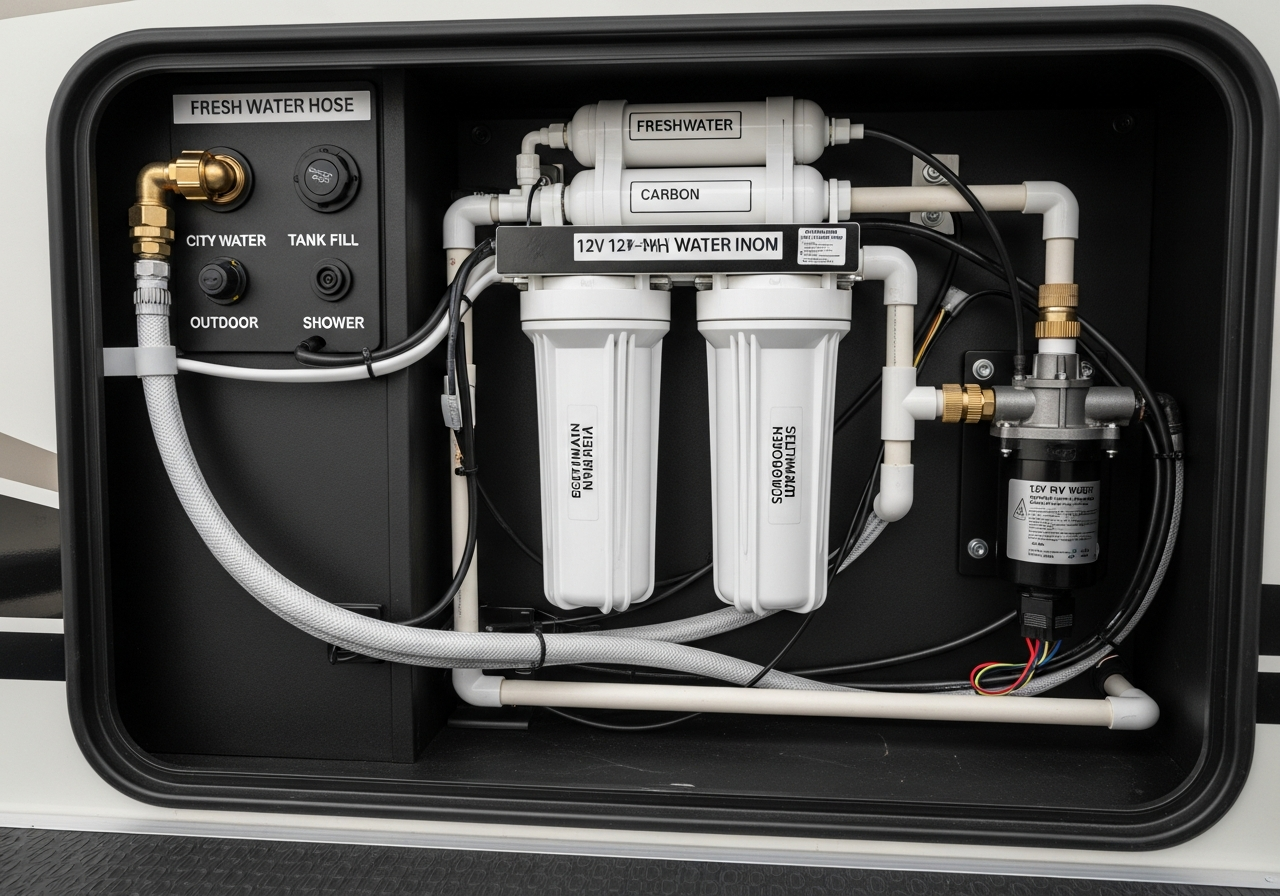
- Drain old water if the RV has been sitting
- Sanitize the fresh tank according to manufacturer guidance
- Flush lines thoroughly
- Inspect hoses and fittings for leaks
- Fill with clean potable water
Tire and Running Gear Check
- Check tire pressure when tires are cold
- Inspect tread and sidewalls
- Torque lug nuts to spec if required
- Examine suspension components visually
- Test trailer brakes or motorhome braking response before departure
Safety tip: Tire failures are especially dangerous on remote park roads with narrow shoulders.
Electrical and Battery Check
- Charge batteries fully
- Confirm shore power connection works properly
- Test interior lights, water pump, and safety detectors
- Pack correct adapters for campground power if hookups are available
- Verify generator operation and fuel level if your setup includes one
Practical Tips for a Better National Park Stay
Arrive Early, Not Late
Afternoon arrivals are usually easier than nighttime setups. You can inspect the site, talk with campground hosts, and solve issues before dark.
Keep a Flexible Backup Plan
Even well-planned trips can change because of weather, closures, smoke, or mechanical issues. We recommend identifying at least one nearby public or private campground outside the park.
Respect Park Rules
Rules about speed, pets, generators, waste disposal, and food storage exist for safety and resource protection. Following them helps preserve access for all RV travelers.
Pack for Self-Sufficiency
National park campgrounds may not have stores, dump access at every loop, or after-hours assistance. Bring the basics needed to manage water, power, and minor campsite adjustments independently.
Key Takeaways
- National park campgrounds often have tighter size limits and fewer amenities than private RV parks.
- Always verify RV length, road restrictions, and utility availability before booking.
- Reserve early and keep backup campground options ready.
- Prepare for dry camping by managing water, battery power, and waste tanks carefully.
- Arrive in daylight, inspect the site on foot, and use safe leveling and backing practices.
- Follow wildlife, generator, and food storage rules closely.
- Use seasonal maintenance checklists to keep your RV ready for changing park conditions.
- If problems arise, troubleshoot methodically and ask campground staff or rangers for site-specific guidance.
With the right preparation, national park RV camping can be one of the most rewarding ways to travel. We researched the most common planning and setup challenges so you can spend less time troubleshooting and more time enjoying the scenery.