RV Pre-Trip Maintenance Checklist: 15 Checks Before Every Journey

Salem Hassan founded Travelcamp RV and brings 30+ years of hands-on RV, marine, and powersports retail experience to every review.
✎ Reviewed by Salem Hassan — Founder, Travelcamp RV · 30+ years in RV, marine, and powersports retail
Why trust us
ShopRVGear articles are researched by the Searchshop Editorial team using manufacturer specs, RV trade sources, and owner feedback. We match every recommendation to your RV class — Class A, B, C, fifth-wheel, or travel trailer — because gear that works in a 40-ft motorhome often does not fit a Class B van. We may earn a commission on qualifying purchases; it does not change what we recommend.
RV Pre-Trip Maintenance Checklist: 15 Checks Before Every Journey
If you want fewer breakdowns, safer towing, and a smoother vacation, an rv maintenance checklist before trip planning session should be part of every departure day. We researched the most common pre-trip problem areas for motorhomes, travel trailers, and fifth wheels, and the same pattern shows up again and again: small issues caught in the driveway are much easier to fix than major failures on the road. This guide walks through 15 checks we recommend before every journey, along with troubleshooting steps and seasonal reminders.
Why a Pre-Trip RV Inspection Matters

RVs combine house systems and vehicle systems in one unit, which means there are more opportunities for wear, leaks, loose connections, and missed maintenance. A pre-trip inspection helps us:
- Reduce the risk of tire blowouts and brake issues
- Catch water leaks before they cause interior damage
- Confirm lights, batteries, and propane systems are working
- Improve towing stability and road safety
- Avoid campsite setup problems after arrival
How to Use This RV Maintenance Checklist Before Trip
Set aside 30 to 60 minutes before departure. Park on level ground, chock the wheels if needed, and keep gloves, a flashlight, tire gauge, rags, and your owner’s manuals nearby.
Safety Tips Before You Start
- Turn off shore power before inspecting electrical connections.
- Let the engine, exhaust, and generator cool before touching components.
- Never crawl under an RV supported only by a jack.
- Shut off propane at the tank if you smell gas or plan to inspect fittings closely.
- Wear eye protection when checking batteries, fluids, or undercarriage components.
The 15-Point RV Pre-Trip Maintenance Checklist

1. Inspect Tires and Check Pressure
Tires are one of the most important pre-trip checks. Look for cracks, bulges, uneven wear, punctures, and objects embedded in the tread. Check pressure only when tires are cold and inflate to the manufacturer’s recommended specification.
How to do it
- Read the tire sidewall and the RV or trailer weight label.
- Use a reliable tire pressure gauge on every tire, including the spare.
- Inspect tread depth and sidewalls.
- Verify lug nuts appear secure and wheel surfaces show no damage.
If you find a problem
- Low pressure: Inflate to spec and recheck after a few hours.
- Uneven wear: Suspect alignment, suspension wear, or incorrect loading.
- Cracks or bulges: Replace the tire before travel.
2. Check Wheel Bearings and Hubs
For towable RVs especially, hub heat and bearing wear can become major road hazards.
How to do it
- Look for grease leakage around the hub.
- Spin the wheel if accessible and listen for grinding.
- Wiggle the tire gently to detect excess play.
If you find a problem
- Grease on wheel: Seal or bearing service may be needed.
- Grinding or looseness: Do not tow until inspected by a technician.
3. Test Brakes and Brake Controller
Braking issues should never wait until you are on the highway.
How to do it
- For motorhomes, check brake fluid level if accessible per the manual.
- For trailers, connect the brake controller and test manual override at low speed.
- Listen for unusual noises during a short driveway or neighborhood roll test.
If you find a problem
- Weak braking: Check controller settings, wiring, or fluid level.
- Grinding or pulling: Schedule service immediately.
4. Verify Exterior Lights and Signals
A full walk-around light test takes only a few minutes.
How to do it
- Turn on headlights, brake lights, running lights, hazards, and turn signals.
- Have a helper confirm each light works.
- Check trailer plug connections for corrosion or looseness.
If you find a problem
- One light out: Replace the bulb or fuse.
- Multiple trailer lights out: Inspect the connector, ground, and wiring harness.
5. Check Engine Fluids and Belts
For motorized RVs, fluid and belt condition directly affect reliability.
How to do it
- Check engine oil, coolant, brake fluid, transmission fluid, and windshield washer fluid as applicable.
- Inspect belts for cracks, glazing, or fraying.
- Look under the RV for fresh drips.
If you find a problem
- Low fluid: Top off with the correct type and monitor for leaks.
- Worn belt: Replace before departure.
- Fresh leak: Identify the source before driving.
6. Inspect Batteries and Power Connections
Battery issues can affect starting, slide-outs, lights, and appliances.
How to do it
- Check battery terminals for corrosion.
- Confirm cables are tight.
- Verify battery charge level on your monitor or with a multimeter.
- Inspect shore power cord and adapter ends for heat damage.
If you find a problem
- Corroded terminals: Clean carefully with proper battery-safe methods.
- Low charge: Recharge fully and test battery health.
- Melted plug ends: Replace before use.
7. Test the Generator
If your RV has a generator, run it before the trip rather than discovering a problem at camp.
How to do it
- Check oil level and fuel supply.
- Start the generator and let it warm up.
- Run a load such as the air conditioner briefly.
If you find a problem
- Won’t start: Check battery voltage, fuel level, and breaker position.
- Runs rough: Inspect air filter and fuel condition; stale fuel is a common cause.
8. Inspect Roof, Seals, and Exterior Caulking
Water intrusion is one of the costliest RV problems.
How to do it
- Safely inspect the roof if your RV is designed for roof access.
- Check around vents, skylights, antennas, windows, and doors.
- Look for cracked sealant, lifted edges, or soft spots.
If you find a problem
- Minor cracked sealant: Reseal with the appropriate product for your roof type.
- Soft spots or active leaks: Get professional evaluation before extended travel.
9. Check Propane System and Appliances
Propane supports cooking, heating, refrigeration, and hot water in many RVs.
How to do it
- Confirm tank level and valve condition.
- Inspect hoses for cracking or abrasion.
- Test the stove, furnace, water heater, and refrigerator if they use propane.
Safety tip
If you smell propane, shut off the supply immediately, ventilate the RV, avoid sparks, and have the system inspected.
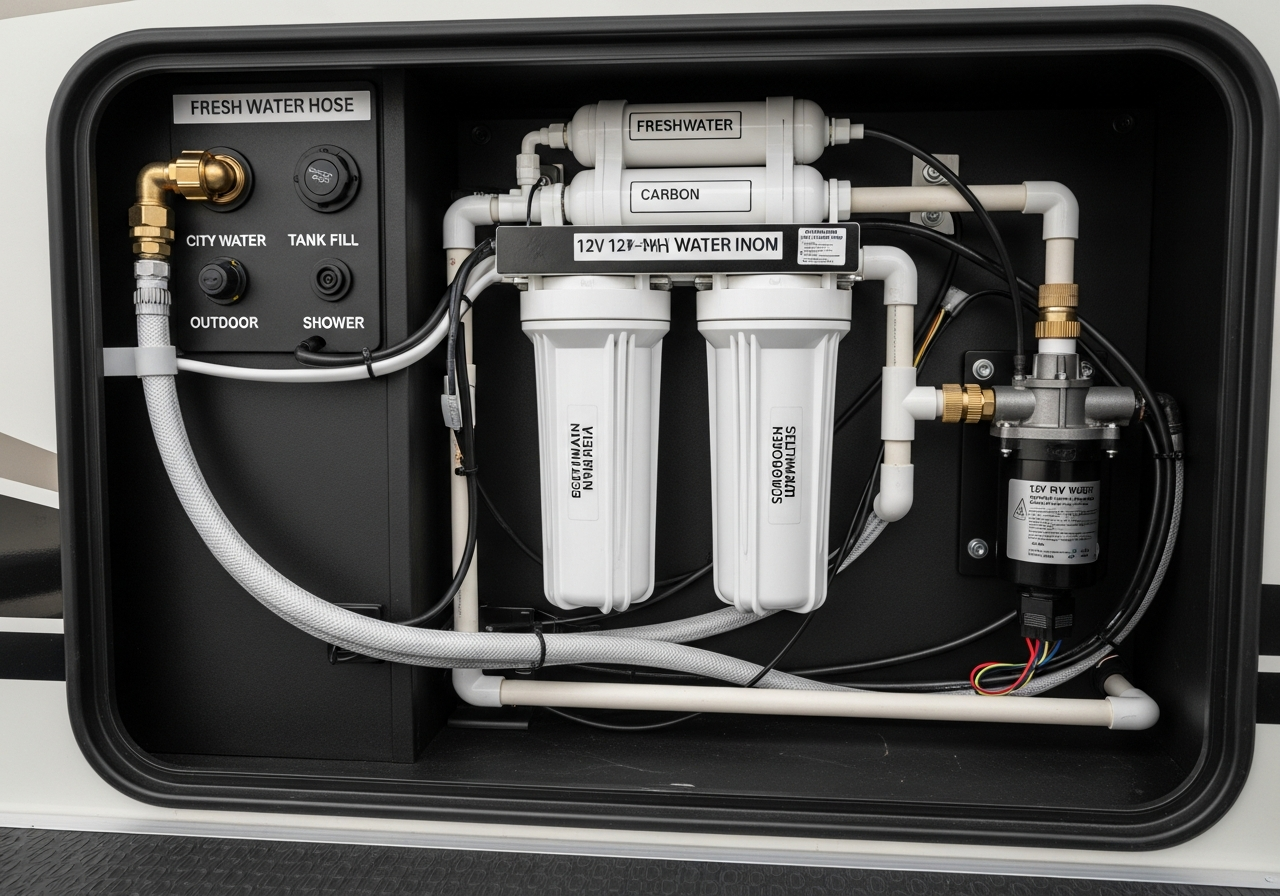
10. Sanitize and Check Fresh Water System
Water quality and leak prevention both matter before departure.
How to do it
- Fill the fresh tank if needed.
- Inspect hoses, fittings, and pump connections.
- Run water through faucets and check for drips.
- Confirm the water heater is ready for use.
If you find a problem
- Low pressure: Check pump operation, clogged screens, or kinked hoses.
- Leaks under sinks: Tighten fittings or replace worn washers.
11. Empty and Inspect Waste Systems
A quick check of holding tanks and valves prevents messy surprises.
How to do it
- Confirm gray and black tanks are dumped if appropriate before departure.
- Check termination caps and valve handles.
- Inspect sewer hose storage area for residue or damage.
If you find a problem
- Valve hard to move: Lubricate if approved for your system.
- Persistent odor: Check venting, seals, and tank cleaning needs.
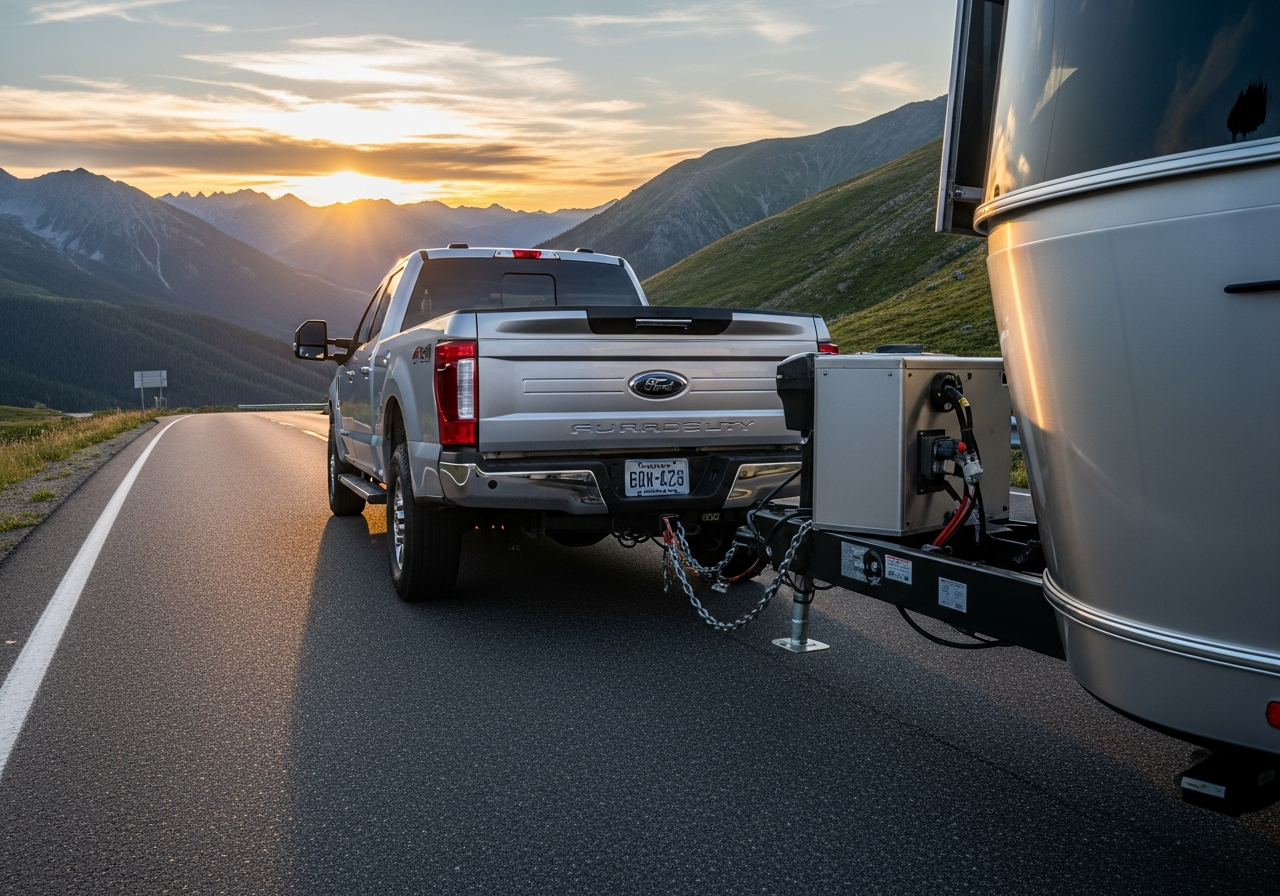
12. Secure Hitch, Coupler, and Safety Chains
For towables, hitch setup is a critical safety step.
How to do it
- Confirm the coupler is fully seated on the ball.
- Lock the coupler latch.
- Cross safety chains under the tongue.
- Attach the breakaway cable correctly.
- Check weight-distribution and sway-control components.
If you find a problem
- Loose coupler: Re-hitch and verify ball size compatibility.
- Dragging chains or cable: Adjust length before moving.
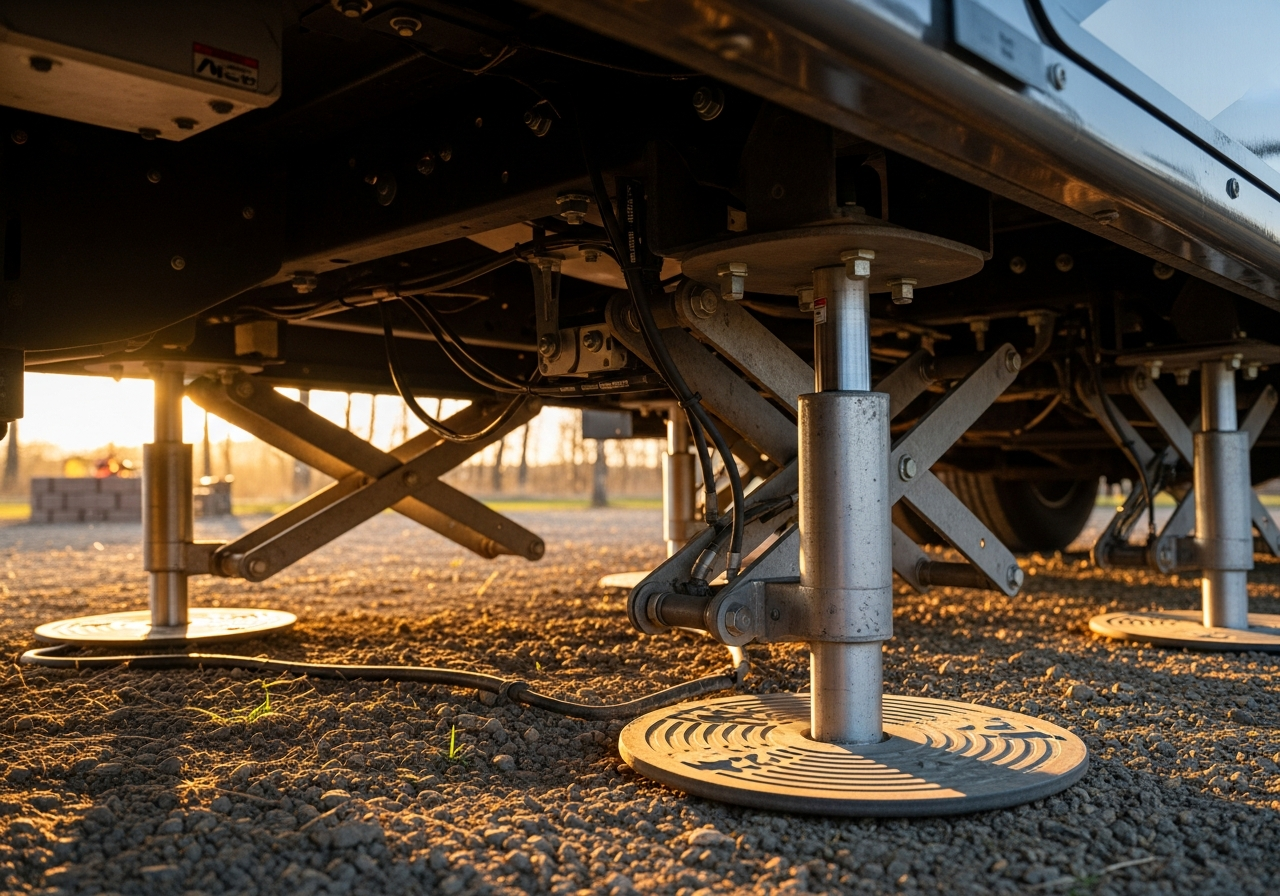
13. Check Slides, Awnings, Steps, and Leveling Systems
These convenience systems can delay departure if they malfunction.
How to do it
- Extend and retract slide-outs if practical.
- Inspect awning fabric and arms.
- Test entry steps.
- Verify leveling jacks retract fully.
If you find a problem
- Slide hesitates: Check battery voltage and obstructions.
- Awning won’t retract evenly: Inspect arm alignment and fabric binding.
- Jacks alarm while driving: Confirm full retraction and sensor status.
14. Confirm Interior Cargo and Safety Equipment
Loose items become hazards once the RV is moving.
How to do it
- Latch cabinets, refrigerator, shower door, and interior doors.
- Secure heavy cargo low and evenly.
- Check fire extinguisher charge, smoke alarm, carbon monoxide detector, and LP detector.
- Restock first-aid supplies.
15. Review Documents, Route, and Final Walk-Around
The last check is simple but essential.
How to do it
- Confirm registration, insurance, roadside assistance information, and campground reservations.
- Review route restrictions for height, weight, and propane rules.
- Perform one final walk-around.
- Look for open compartments, extended antennas, disconnected cords, and chocks still in place.
Troubleshooting Common Pre-Trip RV Problems
1. Trailer lights do not work
- Check the tow vehicle connector for corrosion.
- Confirm the plug is fully seated.
- Inspect the trailer ground wire.
- Test fuses on the tow vehicle and trailer circuit.
Solution: Clean terminals, secure the ground, replace blown fuses, or repair damaged wiring.
2. RV battery keeps dying before departure
- Measure resting voltage.
- Check for parasitic loads left on.
- Inspect converter or charger operation.
- Examine terminals for corrosion.
Solution: Recharge fully, remove unnecessary loads, clean connections, and replace weak batteries if they no longer hold charge.
3. Water pump runs but pressure is weak
- Check tank level.
- Inspect for kinked hoses.
- Clean inlet strainer.
- Look for leaks that allow air into the system.
Solution: Fill the tank, straighten hoses, clean the strainer, and tighten leaking fittings.
4. One tire runs hotter than the others
- Compare pressures.
- Look for brake drag.
- Inspect bearing condition.
- Check load distribution on that side.
Solution: Correct pressure, service brakes or bearings, and rebalance cargo before travel.
Seasonal RV Maintenance Reminders
Spring Pre-Season Checklist
- De-winterize the plumbing system.
- Inspect roof sealant after winter storage.
- Check battery condition and recharge fully.
- Test air conditioning and refrigerator operation.
- Look for rodent damage to wiring or ducting.
Summer Travel Checklist
- Monitor tire pressure more frequently in hot weather.
- Clean AC filters and confirm cooling performance.
- Check coolant levels and engine temperatures on motorhomes.
- Inspect awnings for sun and wind wear.
Fall Checklist
- Inspect seals and weatherstripping before wet weather.
- Clean tanks and sanitize water lines if storing soon.
- Service the furnace before cold nights.
- Check exterior lighting as daylight hours shorten.
Winter Storage Checklist
- Winterize plumbing lines and water heater as required.
- Remove or maintain batteries according to storage plans.
- Cover vents or openings only as recommended by the manufacturer.
- Inspect tires periodically during storage.
- Revisit the roof and cover condition after storms.
Building a Repeatable Departure Routine
The best checklist is the one we actually use every trip. We recommend keeping a printed copy in the RV or saving a digital version on your phone. Over time, add model-specific items such as air suspension checks, solar monitoring, or motorcycle rack inspections. A repeatable routine reduces stress and helps us leave with confidence.
Key Takeaways
- A consistent rv maintenance checklist before trip routine helps prevent breakdowns, leaks, and safety issues.
- Focus first on tires, brakes, lights, hitch components, batteries, and water intrusion risks.
- Use numbered inspections and a final walk-around before every departure.
- Troubleshoot small issues at home whenever possible instead of on the road.
- Add seasonal maintenance tasks in spring, summer, fall, and winter to protect long-term RV reliability.