RV Insurance Guide: What You Need to Know

Jake has spent 8 years full-timing in a Class A motorhome and has personally tested hundreds of RV products across North America. He is the lead gear reviewer at Shop RV Gear, covering solar setups, backup safety syst…
Why trust us
Every product featured on Shop RV Gear is researched by RV owners with real on-road experience. Our lead reviewer Jake Morris has full-timed for 8 years and personally tested gear across 40+ states. We earn a small commission on qualifying purchases — this never influences our picks.
RV Insurance Guide: What You Need to Know
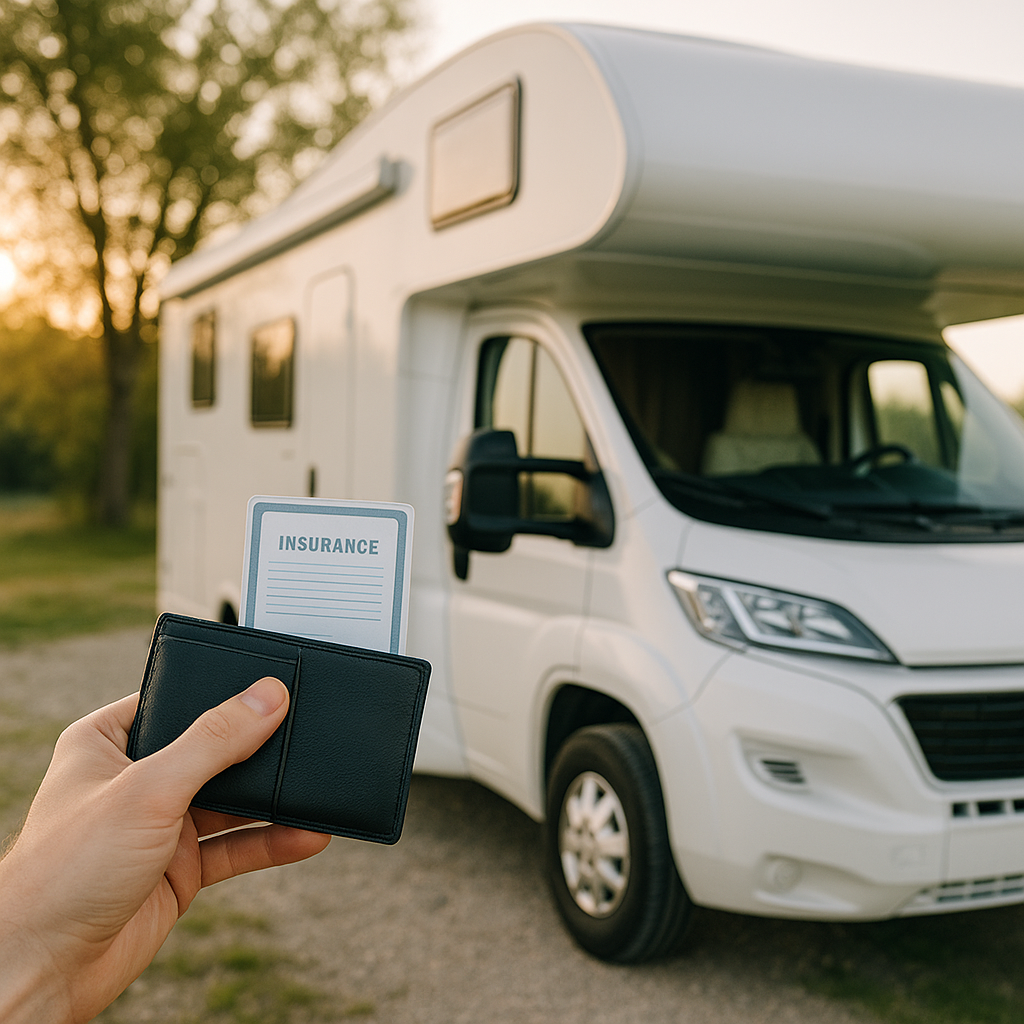
If you're shopping for coverage, this rv insurance guide will help you understand what RV insurance includes, how policies differ, and what to compare before you buy. Whether you use your rig for weekend trips, long seasonal stays, or full-time travel, the right policy can protect your RV, your gear, and your finances when the unexpected happens.
At Shop RV Gear, we focus on practical ownership advice, and insurance is one of the most important parts of responsible RVing.
RV Insurance Comparison Table
Below is a simple side-by-side guide to common policy setups. This is not a quote sheet, but it can help you compare options.
| Policy Type | Best For | Main Coverage Focus | Typical Cost Level | Biggest Advantage | Main Drawback |
|---|---|---|---|---|---|
| Basic RV Policy | Occasional travelers | Liability, comprehensive, collision | Lower | Affordable entry-level protection | Fewer living-space benefits |
| Standard RV Policy | Frequent travelers | Adds personal effects, roadside, vacation liability | Moderate | Better all-around protection | May still exclude full-time risks |
| Full-Timer Policy | Full-time RV living | Residential liability, personal property, emergency living expenses | Higher | Closest match to home-on-wheels use | More expensive |
| Storage-Focused Policy | RVs parked for long periods | Reduced driving risk, theft, weather, storage damage | Lower to moderate | Useful for off-season savings | Limited protection while traveling |
Key Takeaways
- RV insurance is not one-size-fits-all; your usage, RV type, and travel style matter.
- Motorized RVs usually require more coverage than towable RVs because they function as both vehicle and living space.
- Full-timer coverage, personal effects coverage, and roadside assistance are often worth considering.
- Comparing deductibles, exclusions, payout methods, and emergency expense coverage is just as important as comparing price.
- The cheapest policy is not always the best value if it leaves major gaps.
What RV Insurance Typically Covers
RV insurance combines elements of auto, homeowners, and travel-related protection. The exact mix depends on whether you own a motorhome, travel trailer, fifth wheel, camper van, or pop-up camper.
Liability Coverage
Liability helps pay for injuries or property damage you cause to others. If you drive a motorhome, liability is usually required by law, similar to auto insurance. For towables, liability may extend from your tow vehicle in some cases, but campground or vacation liability can still be important when the RV is parked.
Collision Coverage
Collision pays for damage to your RV after an accident, regardless of fault, subject to your deductible. This is especially valuable for newer or financed rigs.
Comprehensive Coverage
Comprehensive covers non-collision losses such as theft, vandalism, hail, fire, falling objects, and some animal-related damage. For RV owners who store their rigs outdoors, this can be a major protection category.
Uninsured/Underinsured Motorist Coverage
If another driver causes an accident and does not have enough insurance, this coverage can help pay for injuries and, depending on the policy, some related losses.
Personal Belongings Coverage
Many RV owners carry electronics, camping gear, tools, kitchen equipment, and outdoor furniture. Personal effects coverage can help replace these items after a covered loss.
Emergency Expense Coverage
If your RV becomes unusable during a trip, this coverage may help pay for temporary lodging, transportation, meals, or trip interruption costs.
RV Insurance Types by Travel Style
The best policy often depends on how you use your RV, not just what kind of RV you own.
Occasional or Weekend RVers
If you take a handful of trips per year, you may prioritize basic liability, comprehensive, collision, and some roadside assistance. You may not need the highest level of residential-style protection.
Seasonal Campers
If your RV stays at one campground for long periods, campsite liability and weather-related protection become more important. You may also want better personal belongings coverage.
Full-Time RVers
Full-time RVers need broader protection because the RV functions as a primary residence. Full-timer coverage often adds liability and loss protections that resemble homeowners insurance.
Toy Hauler Owners
If you carry ATVs, motorcycles, or other recreational equipment, check whether your policy covers attached garages, loading incidents, and stored gear.
Best Policy Setups to Consider
These are not insurer brand picks. Instead, they are the most common coverage approaches worth considering when building a policy.
1. Basic Liability + Comprehensive + Collision
Best for: New RV owners and occasional travelers
Pros
- Covers the major loss categories most owners worry about
- Usually the easiest package to understand
- Good starting point for financed RVs
Cons
- Limited protection for personal gear
- May not include trip interruption or campsite liability
- Can leave gaps for longer travel seasons
2. Standard Travel Package
Best for: Families and frequent road trippers
Pros
- Better balance of cost and protection
- Often includes roadside assistance and personal effects
- More practical for multi-trip annual use
Cons
- Coverage limits may still be modest
- Optional add-ons can raise premiums quickly
- Not always enough for full-time living
3. Full-Timer Coverage Package
Best for: RVers who live in their rig most or all of the year
Pros
- Designed for residential-style risks
- Better liability protection when parked and living in the RV
- Often includes emergency expense benefits
Cons
- Highest premium tier
- More underwriting questions and documentation
- Some belongings may still need separate scheduling
Verdict
For most owners, the standard travel package offers the best value because it balances price with useful real-world protections. If the RV is your primary home, however, full-timer coverage is the clear choice. A basic policy works for limited use, but it is often too thin for frequent travelers.
What to Compare Before You Buy
Price matters, but it should not be the only factor.
Agreed Value vs. Actual Cash Value
- Agreed value pays a pre-determined amount if the RV is totaled.
- Actual cash value factors in depreciation, which can reduce your payout.
If your RV is newer or high-value, agreed value or replacement cost options may be worth the higher premium.
Deductibles
Higher deductibles usually lower premiums, but they increase your out-of-pocket cost during a claim. Choose a deductible you could realistically pay at any time.
Usage Limits and Exclusions
Always ask:
- Is full-time use excluded?
- Are Mexico or Canada trips covered?
- Is roof damage covered from storms or wear-related disputes?
- Are attached accessories like awnings, solar panels, and satellite equipment included?
Personal Effects Limits
Many RVers underestimate the value of what they carry. Add up electronics, grills, tools, bikes, generators, and camping gear before deciding on a limit.
How to Shop for RV Insurance: Step-by-Step
Choosing a policy is easier when you gather the right information first.
Materials You’ll Need
- RV VIN and registration details
- RV make, model, year, and estimated value
- Loan or lienholder information, if financed
- Driver license details for all drivers
- Storage location information
- Estimated annual mileage and usage type
- A list of major add-ons and personal gear
Numbered Steps
- Identify your RV use category. Decide whether you are an occasional, seasonal, frequent, or full-time traveler.
- List the coverages you must have. Start with liability, comprehensive, and collision, then add roadside, personal effects, and emergency expense coverage as needed.
- Document upgrades and accessories. Solar panels, custom wheels, suspension upgrades, and electronics may need special attention.
- Request quotes from multiple insurers. Compare at least three policies with similar limits and deductibles.
- Read the exclusions carefully. Look for limitations on water damage, roof claims, pest damage, and personal belongings.
- Ask how claims are paid. Confirm whether the policy uses actual cash value, agreed value, or replacement cost.
- Review roadside and towing limits. RV towing can be expensive, so low limits may not help much.
- Choose a deductible you can afford. Saving a little on premium is not helpful if the deductible is too high for an emergency.
- Recheck the policy annually. Update coverage when your travel style, RV value, or gear changes.
Safety Tips When Reviewing Coverage
- Do not assume your auto policy fully covers a towable RV.
- Do not underinsure personal belongings just to reduce premium.
- Keep photos of your RV, upgrades, and stored gear for claims documentation.
- Store digital copies of your policy and emergency contact numbers offline.
Practical Ways to Lower RV Insurance Costs
You can often reduce premiums without sacrificing important protection.
Bundle Policies
Many insurers offer discounts if you combine RV, auto, homeowners, or renters insurance.
Take a Driving or RV Safety Course
Some companies reward safe driving education, especially for larger motorhomes.
Improve Storage Security
Covered storage, fenced lots, and anti-theft devices may help lower rates.
Adjust Seasonal Coverage
If you store your RV part of the year, ask whether a storage option or lay-up period makes sense.
Avoid Small Claims
If a repair cost is only slightly above your deductible, paying out of pocket may help protect your claims history.
Common Mistakes RV Owners Make
- Choosing the lowest premium without checking exclusions
- Forgetting to insure expensive accessories and gear
- Assuming campground incidents are always covered
- Not updating coverage after renovations or upgrades
- Failing to switch to full-timer coverage when living in the RV long term
FAQ
1. Is RV insurance required?
For motorized RVs, liability insurance is generally required by state law, much like car insurance. For towable RVs, requirements vary, but coverage is still strongly recommended to protect against damage, theft, and liability.
2. Does RV insurance cover water damage?
It can, but coverage depends on the cause. Sudden accidental damage may be covered, while wear and tear, maintenance neglect, or long-term leaks may be excluded. Always read the policy wording carefully.
3. How much RV insurance do I need?
That depends on your RV value, travel frequency, whether you live in it full time, and how much gear you carry. Most owners should start with strong liability limits and then build out physical damage and personal effects coverage based on real-world use.
Final Thoughts
A smart rv insurance guide should help you do more than find a low premium; it should help you find the right protection for how you actually travel. The best policy is the one that matches your RV type, usage pattern, budget, and risk tolerance.
Before you buy, compare coverage details line by line, ask about exclusions, and think beyond just the vehicle itself. Your RV is often part transportation, part home, and part gear hauler, so your insurance should reflect that reality.
For more practical RV ownership advice, buying guides, and gear recommendations, keep exploring Shop RV Gear.
Top Picks & Comparison
| # | Product | Price | Rating | ||
|---|---|---|---|---|---|
| #1 |  |
TireMinder i10 RV TPMS with 4 Transmitters, Black |
$237.89 | (1,028) | View on Amazon |
| #2 |  |
Progressive Industries SSP-30XL Portable RV Smart Surge Protector, Black, 30 Amp |
$51.55 | (5,683) | View on Amazon |
| #3 | 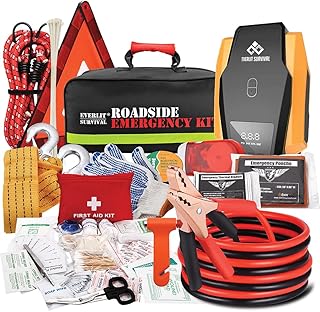 |
Everlit Survival Car Emergency Kit, Roadside Safety Tool Kit with Gloves,Digital Auto Air Compressor Tire Inflator, First Aid Kit, 12 Feet Jumper Cable, Tow Strap, Flashlight for Women, Men, Teenagers |
$69.95 | (2,897) | View on Amazon |
| #4 |  |
Southwire Surge Guard™ 30 Amp Portable RV Surge Protector with Enhanced Diagnostics, 2100 Joules, 44280 |
$75.27 | (1,629) | View on Amazon |