RV Full-Timer Essential Gear Checklist

Jake has spent 8 years full-timing in a Class A motorhome and has personally tested hundreds of RV products across North America. He is the lead gear reviewer at Shop RV Gear, covering solar setups, backup safety syst…
Why trust us
Every product featured on Shop RV Gear is researched by RV owners with real on-road experience. Our lead reviewer Jake Morris has full-timed for 8 years and personally tested gear across 40+ states. We earn a small commission on qualifying purchases — this never influences our picks.
RV Full-Timer Essential Gear Checklist
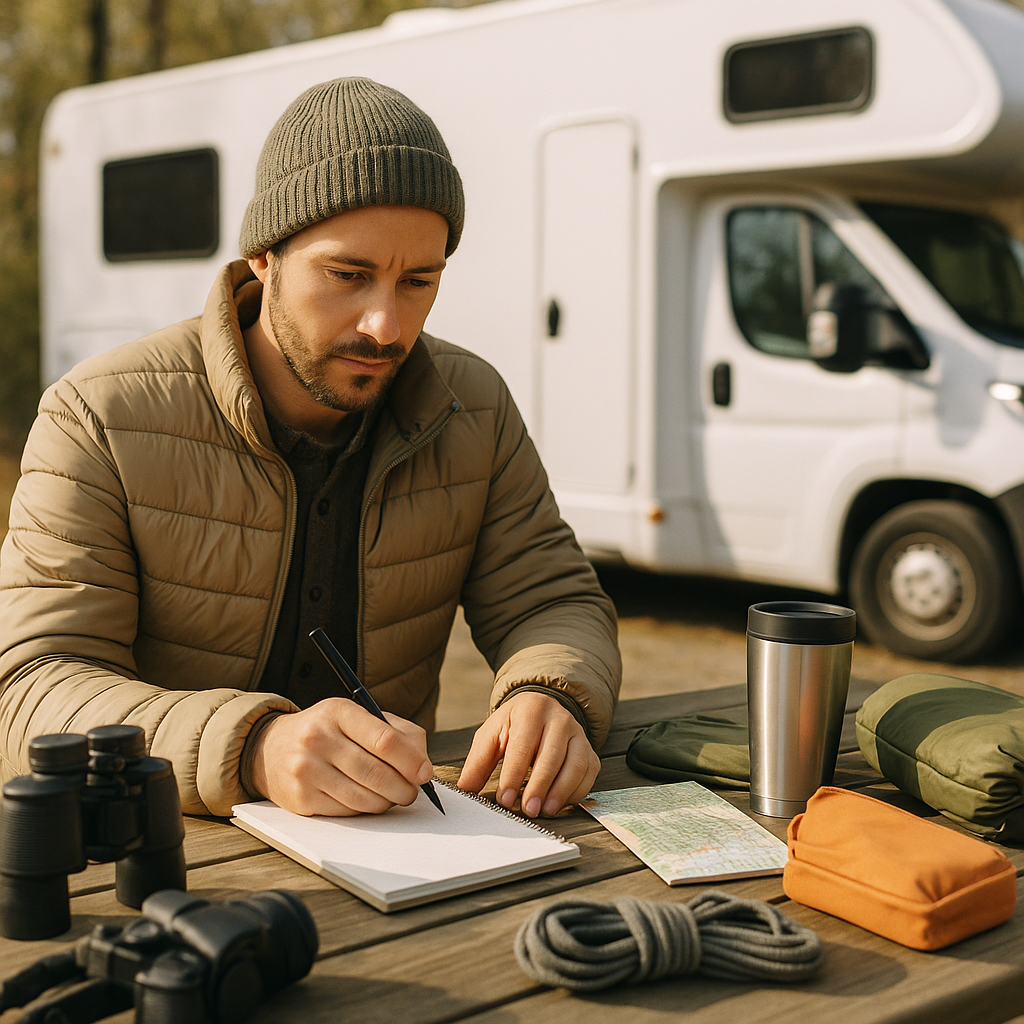
If you're preparing for life on the road, this rv full timer gear checklist will help you focus on the items that matter most. Full-time RV living puts constant demands on your power, water, storage, safety, and comfort systems, so the right gear can save money, prevent breakdowns, and make everyday life easier.
At Shop RV Gear, we recommend building your setup in layers: start with safety and utility essentials, then add convenience upgrades that fit your travel style, climate, and RV size.
Best Gear Categories at a Glance
Below is a side-by-side comparison of the most important gear types for full-timers.
| Gear Category | Why It Matters | Best For | Budget Range | Priority |
|---|---|---|---|---|
| EMS/Surge Protector | Protects RV electronics from bad power | All full-timers | $$-$$$ | Essential |
| Water Pressure Regulator + Filter | Prevents plumbing issues and improves water quality | Hookup campers | $-$$ | Essential |
| TPMS + Air Compressor | Improves tire safety and maintenance | Frequent travelers | $$-$$$ | Essential |
| Sewer Hose Kit + Support | Cleaner, easier dumping | All full-timers | $-$$ | Essential |
| Solar + Battery Monitor | Better off-grid capability | Boondockers | $$$-$$$$ | High |
| Dehumidifier | Reduces moisture and mold risk | Humid or cold climates | $-$$ | High |
| Cellular Router/Hotspot | Reliable internet access | Remote workers | $$-$$$ | High |
Clear verdict: If you're building your setup from scratch, buy in this order: EMS, water regulator/filter, sewer kit, tire safety gear, leveling gear, then connectivity and comfort upgrades.
Key Takeaways
- Prioritize safety, power, water, and sewer gear before comfort accessories.
- Choose gear rated for frequent use, not occasional weekend trips.
- Keep redundancies for critical systems like power, water pressure, and tire care.
- Use a checklist to avoid overspending on nice-to-have items before covering the basics.
- The best full-timer setup balances durability, storage space, and ease of use.
What Full-Time RVers Actually Need
Weekend campers can get by with minimal gear. Full-timers usually need more robust equipment because they are constantly setting up, breaking down, driving, and maintaining their rig. Your checklist should cover these core categories:
- Electrical protection and power management
- Water supply and filtration
- Sewer and sanitation tools
- Tire, leveling, and stabilization gear
- Climate and weather protection
- Kitchen and daily living essentials
- Connectivity and work-from-the-road tools
- Security, maintenance, and emergency supplies
RV Full-Timer Gear Checklist by Category
Power and Electrical Essentials
These are some of the highest-priority items for full-time RV living.
- Surge protector or EMS (electrical management system)
- Heavy-duty extension cord rated for your RV service
- Dogbone adapters (30A/50A conversions)
- Portable generator or inverter setup
- Extra fuses and replacement breakers
- Battery monitor
- Solar panels and charge controller if you boondock often
- Rechargeable flashlights and headlamps
Practical advice: If your budget allows only one electrical upgrade, make it an EMS. Bad campground power can damage expensive appliances quickly.
Water and Sewer Must-Haves
Reliable water gear is essential when you're moving often or staying in parks with inconsistent hookups.
- Drinking-water-safe hose
- Water pressure regulator
- Inline water filter or multi-stage filtration system
- Heated water hose for winter travel
- Sewer hose kit with clear elbow
- Sewer hose support
- Disposable gloves and sanitizing spray
- Tank treatment and tank rinser
Practical advice: Carry at least one backup water hose washer kit and a spare pressure regulator. These small parts fail at inconvenient times.
Leveling, Tire, and Setup Gear
Daily setup gets old fast if your tools are flimsy.
- Leveling blocks or wheel ramps
- Wheel chocks
- Stabilizer jack pads
- Tire pressure monitoring system (TPMS)
- Portable air compressor
- Torque wrench and correct sockets for lug nuts
- Jack rated for your RV if appropriate for your rig type
Safety and Emergency Equipment
This category is non-negotiable.
- Fire extinguishers for kitchen and exterior storage
- Smoke, propane, and carbon monoxide detectors
- First-aid kit
- Emergency road triangles or flares
- Basic tool kit
- Work gloves
- Emergency weather radio
- Spare keys and lockbox
Comfort and Daily Living Gear
The best comfort gear improves life without taking over your storage bays.
- Folding camp chairs
- Outdoor mat
- Compact grill or griddle
- Dehumidifier or moisture absorbers
- Space heater rated for RV-safe use
- Blackout shades or reflective window insulation
- Laundry hamper and collapsible drying rack
- Storage bins and drawer organizers
Connectivity and Mobile Work Gear
For many full-timers, internet is a utility.
- Mobile hotspot or cellular router
- Signal booster if you camp in weak-coverage areas
- 12V and USB charging hubs
- Laptop stand and compact desk accessories
- Backup power bank
Buyer’s Guide: Top Gear Picks for Full-Time RVing
Rather than listing specific models only, it helps to choose by gear type and use case.
1. EMS or Surge Protector
Best for: Protecting expensive RV electronics and appliances.
Pros
- Guards against low voltage, surges, and wiring faults
- Easy to use at every hookup
- Can prevent costly repair bills
Cons
- Higher upfront cost than basic adapters
- Portable units can be stolen if not locked
2. Adjustable Water Pressure Regulator
Best for: Campgrounds with inconsistent or high water pressure.
Pros
- Protects RV plumbing
- Lets you fine-tune pressure
- Compact and affordable
Cons
- Cheap models can be inaccurate
- May reduce flow if undersized
3. Drinking Water Hose + Filtration System
Best for: Better-tasting water and cleaner plumbing.
Pros
- Safer water supply
- Reduces sediment and odors
- Easy seasonal replacement
Cons
- Filters require ongoing maintenance
- Multi-stage systems take more space
4. TPMS and Portable Air Compressor
Best for: Safer highway travel and tire monitoring.
Pros
- Alerts you to leaks or overheating tires
- Helps maintain proper PSI
- Valuable for towables and motorhomes alike
Cons
- Sensor batteries need replacement
- Initial setup takes time
5. Sewer Hose Kit with Clear Elbow and Support
Best for: Cleaner, more efficient dump station and campsite use.
Pros
- Easier to monitor tank flow
- Better drainage with hose support
- Reduces mess during dumping
Cons
- Bulky compared with minimalist kits
- Needs regular cleaning and inspection
How to Build Your Full-Timer RV Kit
Materials You’ll Need
Before organizing your gear, gather:
- Storage bins or labeled totes
- Permanent marker or label maker
- Inventory checklist on paper or phone
- Measuring tape for storage compartments
- Moisture-resistant bags for small parts
Step-by-Step Setup
- List your travel style. Note whether you stay mostly in RV parks, boondock often, work remotely, or travel in winter.
- Measure your storage spaces. Basement compartments, pass-through areas, cabinets, and under-bed storage all matter.
- Buy essentials first. Start with electrical protection, water gear, sewer gear, tire care, and safety supplies.
- Create grab-and-go kits. Group water parts together, sewer parts together, and emergency tools in one easy-access tote.
- Test every item at home or on a short trip. Make sure hoses fit, adapters match your service, and your TPMS pairs correctly.
- Label backup parts. Fuses, washers, gloves, fittings, and spare connectors are easy to lose.
- Review seasonally. Swap in winter gear, replace filters, inspect hoses, and check expiration dates on safety items.
Safety Tips
- Never use household extension cords in place of RV-rated power cords.
- Confirm your surge protector matches your RV’s 30A or 50A service.
- Keep sewer gear stored separately from drinking water equipment.
- Check tire pressures when tires are cold and follow manufacturer ratings.
- Do not overload storage compartments beyond weight limits.
- Use only heaters and electrical accessories appropriate for RV use.
Common Mistakes Full-Timers Make
Buying for Weekend Camping Instead of Daily Living
Light-duty hoses, bargain regulators, and cheap leveling blocks often fail faster under full-time use.
Ignoring Weight and Storage Limits
More gear is not always better. Heavy duplicates can eat into cargo capacity quickly.
Skipping Redundancies
A spare hose washer, backup flashlight, extra fuse, and second water filter can solve problems that would otherwise ruin a travel day.
Forgetting Climate-Specific Gear
If you travel through freezing temperatures, high humidity, or desert heat, your needs change dramatically. Heated hoses, dehumidifiers, vent covers, and sun-blocking shades can become essentials.
Practical Advice for Choosing the Right Gear
When comparing products, focus on these factors:
Durability
Look for brass fittings, reinforced hoses, weather-resistant housings, and products designed for repeated setup and breakdown.
Ease of Storage
Collapsible, stackable, and multi-use gear is ideal for small RV spaces.
Replacement Part Availability
Choose brands with easy-to-find filters, fittings, sensor batteries, or accessories.
Real-World Convenience
The best gear is not just durable; it should be fast to deploy, easy to clean, and simple to maintain.
FAQ
What is the most important item on an rv full timer gear checklist?
An EMS or surge protector is one of the most important items because it protects your RV from poor campground power, which can damage air conditioners, microwaves, converters, and other electronics.
How much gear do full-time RVers really need?
Most full-timers need less gear than they think, but higher-quality essentials. Focus on safety, hookups, maintenance, and climate control first, then add convenience items based on your routine.
Should full-time RVers buy portable or permanent gear?
It depends on the product. Portable gear offers flexibility and easier upgrades, while permanent installations like hardwired EMS units or solar systems can be more convenient and secure for long-term use.
Final Verdict
A smart rv full timer gear checklist starts with gear that protects your RV and supports daily life: power protection, clean water, safe sewer handling, tire care, leveling tools, and emergency supplies. After that, the best additions are the ones that match your lifestyle, whether that means better internet, stronger off-grid power, or more comfort in extreme weather.
If you build your kit thoughtfully and review it seasonally, you'll spend less time dealing with preventable problems and more time enjoying the freedom of full-time RV living.
Top Picks & Comparison
| # | Product | Price | Rating | ||
|---|---|---|---|---|---|
| #1 | ![GEARGO RV Surge Protectors 50 Amp Waterproof, [𝟐𝟎𝟐𝟔 𝐍𝐞𝐰 𝐔𝐩𝐠𝐫𝐚𝐝𝐞𝐝] RV Circuit Analyzer, Full Protection RV Adapter Plug for Camper(Orange)](https://m.media-amazon.com/images/I/61WpI2Gmd-L._AC_UL320_.jpg) |
GEARGO RV Surge Protectors 50 Amp Waterproof, [𝟐𝟎𝟐𝟔 𝐍𝐞𝐰 𝐔𝐩𝐠𝐫𝐚𝐝𝐞𝐝] RV Circuit Analyzer, Full Protection RV Adapter Plug for Camper(Orange) |
$51.27 | (795) | View on Amazon |
| #2 |  |
Camco 25-Ft Heated Water Hose for RV - Water Line Freeze Protection Down to -20°F/-28°C - Features Energy-Saving Thermostat & Includes Adapter for Connection to Either End of Hose (22911) |
$116.14 | (15,089) | View on Amazon |
| #3 | 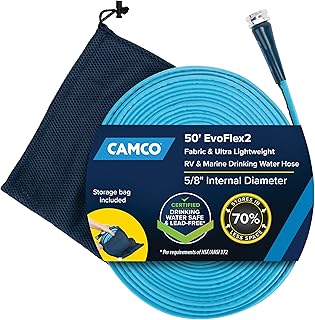 |
Camco EvoFlex2 50-ft Drinking Water Hose - RV Drinking Water Hose Reinforced with Fabric & Ultra Lightweight - Contains No Lead, No BPA & No Phthalate - Abrasion Resistant (22579) |
$31.26 | (1,423) | View on Amazon |
| #4 |  |
WELLUCK RV Sewer Hose Support 20FT, Blaze Orange RV Sewer Support with Adjustable Height Design, Secure Rubber Band and Carry Strap, Quick Setup and Collapse for Campers Travel Trailers and Motorhome |
$32.95 | (1,054) | View on Amazon |