RV Boondocking Checklist: Everything You Need

Jake has spent 8 years full-timing in a Class A motorhome and has personally tested hundreds of RV products across North America. He is the lead gear reviewer at Shop RV Gear, covering solar setups, backup safety syst…
Why trust us
Every product featured on Shop RV Gear is researched by RV owners with real on-road experience. Our lead reviewer Jake Morris has full-timed for 8 years and personally tested gear across 40+ states. We earn a small commission on qualifying purchases — this never influences our picks.
RV Boondocking Checklist: Everything You Need
If you're planning your first off-grid camping trip, a solid rv boondocking checklist can save you from dead batteries, empty water tanks, and a lot of unnecessary stress. Boondocking gives RV owners freedom, privacy, and access to incredible campsites, but it also means you need to be fully self-sufficient. This guide from Shop RV Gear covers the essentials, smart upgrades, and practical setup tips so you can camp comfortably without hookups.
Best Gear Categories for Boondocking: Side-by-Side Comparison
Not every RVer needs the same setup. This table compares the most important boondocking gear categories so you can prioritize your budget.
| Gear Category | Best For | Main Benefit | Drawback | Budget Range | Verdict |
|---|---|---|---|---|---|
| Portable Solar Panels | Weekend to extended off-grid stays | Quiet battery charging | Weather dependent | $$-$$$ | Best overall upgrade for most RVers |
 Generator Generator |
High power needs, AC use, backup charging | Reliable power on demand | Noise, fuel, restrictions | $$-$$$$ | Best backup power option |
| Lithium Batteries | Frequent boondockers | More usable capacity, faster charging | Higher upfront cost | $$$-$$$$ | Best long-term power investment |
| Water Bladder or Extra Jugs | Longer stays | Extends fresh water supply | Takes storage space | $-$$ | Best low-cost capacity upgrade |
| Portable Waste Tote | Longer stays with full tanks | Delays dump station trips | Bulky and messy to handle | $$-$$$ | Best for larger rigs or families |
| Cell Booster | Remote workers, connected travelers | Better signal in weak areas | Won't create signal where none exists | $$-$$$ | Best connectivity add-on |
Clear Verdict
If you only buy one boondocking upgrade, make it portable solar or a stronger battery setup. For most RV owners, power management is the biggest factor in how long you can stay off-grid comfortably. After that, focus on water capacity and waste management.
Key Takeaways
- Boondocking means preparing for power, water, waste, food, and safety without campground hookups.
- The most important gear categories are battery power, solar charging, water storage, leveling, and tank management.
- A good checklist helps you avoid common mistakes like overpacking, underestimating water use, or draining batteries too fast.
- Start with essentials first, then add comfort upgrades like portable solar panels, cell boosters, and outdoor privacy gear.
- Always follow Leave No Trace principles and verify local rules before camping on public land.
What Is Boondocking?
Boondocking is camping without hookups for water, sewer, or electricity. Some RVers call it dry camping, dispersed camping, or off-grid camping. You may stay on BLM land, national forest land, private property, or other legal overnight spots.
The appeal is simple: fewer crowds, lower costs, and more freedom. The tradeoff is that your RV must handle basic living needs on its own.
The Ultimate RV Boondocking Checklist
Below is a practical checklist organized by category so you can prep faster and miss less.
Power and Electrical Essentials
- Fully charged house batteries
- Battery monitor
- Solar panels or portable solar suitcase
- Solar charge controller
- Inverter for small AC appliances
- Generator and fuel, if allowed
- Extension cords and adapters
- Spare fuses
- LED lanterns or headlamps
- Rechargeable flashlights
- Power banks for phones and tablets
Water and Plumbing Essentials
- Fresh water tank filled
- Drinking water jugs or collapsible containers
- Water pressure regulator
- Drinking-safe hose
- Water filter
- Portable hand sanitizer and wipes
- Biodegradable soap
- Quick-dry towels
- Portable outdoor shower, optional
- Extra toilet paper made for RV systems
Waste and Tank Management
- Empty black and gray tanks before departure
- Tank treatment
- Disposable gloves
- Sewer hose support
- Portable waste tote, if needed
- Trash bags
- Sealable container for recyclables
- Paper towels and cleaning spray
Campsite Setup Gear
- Wheel chocks
- Leveling blocks
- Stabilizer pads
- Camp chairs
- Folding table
- Outdoor mat
- Awning tie-downs
- Basic tool kit
- Duct tape and zip ties
- Work gloves
Kitchen and Food Supplies
- Propane filled
- Stove or grill fuel
- Lighter and matches
- Pots, pans, and utensils
- Plates and cups
- Food storage containers
- Cooler, if needed
- Easy meals and snacks
- Coffee setup
- Can opener
- Dish tub for washing
Safety and Emergency Items
- First-aid kit
- Fire extinguisher
- Carbon monoxide and propane detectors checked
- Emergency weather radio
- Maps and offline navigation
- Tire pressure gauge
- Portable air compressor
- Jack and lug tools
- Road flares or reflective triangles
- Extra medications
- Sunscreen and bug spray
Comfort and Connectivity Extras
- Cell signal booster
- Hotspot device
- Extra blankets
- Portable fan
- Window covers for insulation
- Hammock
- Books or downloaded entertainment
- Binoculars
- Camera or star map app
Buyer’s Guide: Top Boondocking Gear Picks by Category
Instead of naming one-size-fits-all products, it's smarter to choose by gear type and travel style.
1. Portable Solar Panels
Best for: RVers who want quiet, low-maintenance charging.
Pros
- Silent operation
- Great for extending battery life
- Easier to store than roof-mounted expansion in some rigs
Cons
- Charging drops in shade or cloudy weather
- Requires setup and security awareness
2. Inverter Generator
Best for: RVers who need backup charging or higher power output.
Pros
- Reliable in poor weather
- Can run more demanding appliances
- Useful as emergency backup
Cons
- Requires fuel storage
- Noise may be restricted or unwelcome
3. Lithium Battery Upgrade
Best for: Frequent boondockers and power users.
Pros
- More usable battery capacity
- Faster charging than many lead-acid setups
- Longer lifespan
Cons
- Higher initial cost
- May require charger or system compatibility checks
4. Portable Water Containers
Best for: Longer stays and family trips.
Pros
- Affordable way to extend water supply
- Easy to refill separately from the RV
- Helpful for drinking water backup
Cons
- Adds weight
- Takes up cargo room
5. Portable Waste Tote
Best for: RVers staying put for several days.
Pros
- Extends campsite stay without moving the RV
- Useful for rigs with smaller tanks
- Helpful in remote areas with limited dump access
Cons
- Can be unpleasant to transport and clean
- Storage can be awkward
How to Prepare for a Boondocking Trip
A checklist is useful, but a repeatable prep routine is even better.
Materials You’ll Need
- Your RV boondocking gear checklist
- Cleaning supplies
- Fresh water hose and filter
- Battery charger or solar setup
- Food and meal plan
- Navigation apps or paper maps
- Safety kit and emergency contacts
Step-by-Step Setup
- Check your route and campsite rules. Confirm road conditions, fire restrictions, generator rules, and stay limits.
- Fill fresh water and propane. Top off before leaving town since remote refill options may be limited.
- Empty gray and black tanks. Start with maximum waste capacity.
- Charge batteries fully. Test solar, shore charging, or generator backup before departure.
- Plan meals around limited resources. Choose simple meals that use less water and power.
- Pack by category. Group power, water, kitchen, and emergency supplies in bins for faster access.
- Download offline maps. Cell service may disappear when you need it most.
- Level and secure the RV on arrival. Use chocks, leveling blocks, and stabilizers before setting up camp.
- Conserve immediately. Switch to LED lighting, limit inverter use, and monitor tank levels from day one.
- Leave the site cleaner than you found it. Pack out trash and inspect the area before leaving.
Safety Tips for Boondocking
- Tell someone where you’re staying and when you expect to return.
- Avoid parking in washes, flood-prone areas, or unstable ground.
- Keep enough fuel for both travel and backup power use.
- Never run a generator in an enclosed area or near open windows.
- Monitor battery voltage and tank levels daily.
- Lock valuables and stay aware of wildlife and weather changes.
Common Boondocking Mistakes to Avoid
Overusing Battery Power
Microwaves, coffee makers, hair dryers, and space heaters can drain batteries quickly. Know what your system can realistically support.
Underestimating Water Use
Showers, dishwashing, and toilet flushing add up fast. Use paper plates occasionally, take navy showers, and keep drinking water separate when possible.
Ignoring Tank Capacity
Many trips end because gray tanks fill before fresh water runs out. Track both closely.
Poor Campsite Positioning
Shade is great for comfort, but full shade can limit solar charging. If you rely on portable solar, choose a site with at least partial sun exposure.
Practical Advice for Longer Off-Grid Stays
For stays longer than two or three nights, efficiency matters more than extra gear. Start by reducing power draw, carrying extra water, and planning waste disposal. If you boondock often, the best upgrades are usually:
- Lithium batteries
- Portable or roof solar
- Battery monitor
- Water storage expansion
- Better insulation and ventilation
These upgrades improve comfort without requiring a complete RV overhaul.
FAQ
What is the most important item on an RV boondocking checklist?
The most important items are your battery system and water supply. Without power and water, comfort and safety drop quickly.
How long can you boondock in an RV?
It depends on battery capacity, water use, tank size, weather, and how many people are traveling. Many RVers can comfortably boondock for 2 to 7 days, while well-equipped rigs can stay much longer.
Do I need a generator for boondocking?
Not always. Many RV owners can boondock successfully with solar panels, battery storage, and careful energy use. A generator is most useful for backup charging or higher power demands.
Final Thoughts
A reliable rv boondocking checklist helps you camp with more confidence and fewer surprises. Start with the essentials: power, water, waste management, food, and safety. Then build a setup that matches your travel style, whether you take short weekend escapes or longer off-grid adventures.
At Shop RV Gear, we recommend focusing first on the systems that extend your stay the most: battery capacity, charging options, and water management. Get those right, and boondocking becomes a lot more enjoyable.
Top Picks & Comparison
| # | Product | Price | Rating | ||
|---|---|---|---|---|---|
| #1 |  |
Camco Rhino 21-Gallon RV Portable Waste Tank - Features Large Heavy-Duty No-Flat Wheels & Low Drain Hole - Includes Removable Steel Tow Adapter, 3’ Sewer Hose & More RV Accessories (39002) |
$198.00 | (27,155) | View on Amazon |
| #2 | |
Jackery Explorer 1000 v2 Portable Power Station,1070Wh LiFePO4 Battery,1500W AC/100W USB-C Output, 1 Hr Fast Charge, Solar Generator for Camping,Emergency, RV, Off-Grid Living(Solar Panel Optional) |
$449.00 | (3,292) | View on Amazon |
| #3 | 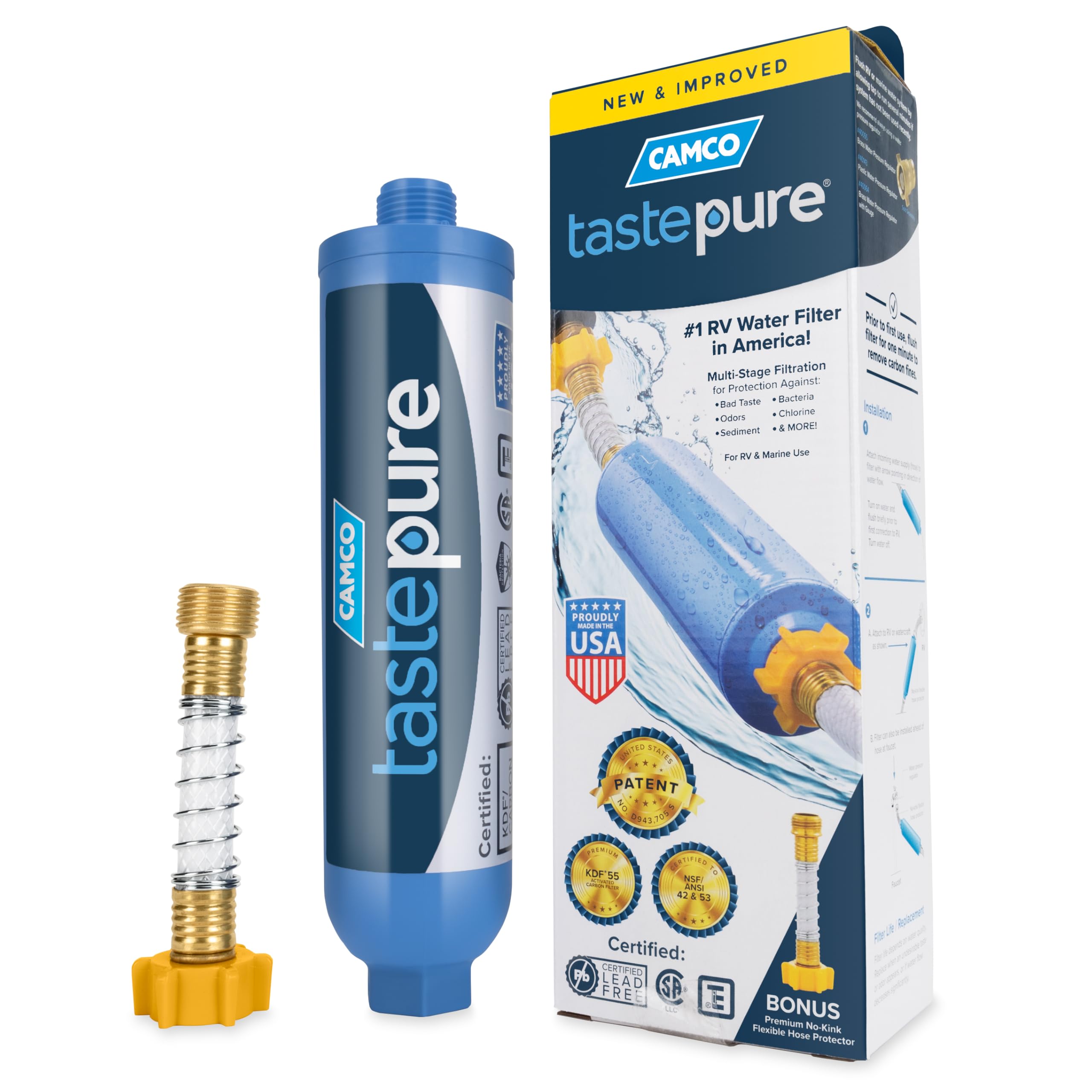 |
Camco Tastepure RV Water Filter - Advanced RV Inline Water Filter with Flexible Hose Protector - GAC & KDF Filtration - Made in USA - Camping Essentials for Fresh Drinking Water (40043) Standard Filter Camco |
$20.82 | (53,209) | View on Amazon |
| #4 |  |
SEAFLO Premium Camping Portable Toilet - 5.3 Gallon Waste 3.43 Gall Fresh Tank (100 Flushes), 440 lbs Max Weight, Level Indicator, Sealed Waste Tank for RV, Boat, Elderly, Off-Grid, 4-Year Warranty |
$104.99 | (748) | View on Amazon |