RV Solar Panel Not Charging Your Battery? 7 Common Causes Fixed

Salem Hassan founded Travelcamp RV and brings 30+ years of hands-on RV, marine, and powersports experience to every review.
Why trust us
ShopRVGear articles are researched by the Searchshop Editorial team using manufacturer specs, RV trade sources, and owner feedback. We match every recommendation to your RV class — Class A, B, C, fifth-wheel, or travel trailer — because gear that works in a 40-ft motorhome often does not fit a Class B van. We may earn a commission on qualifying purchases; it does not change what we recommend.
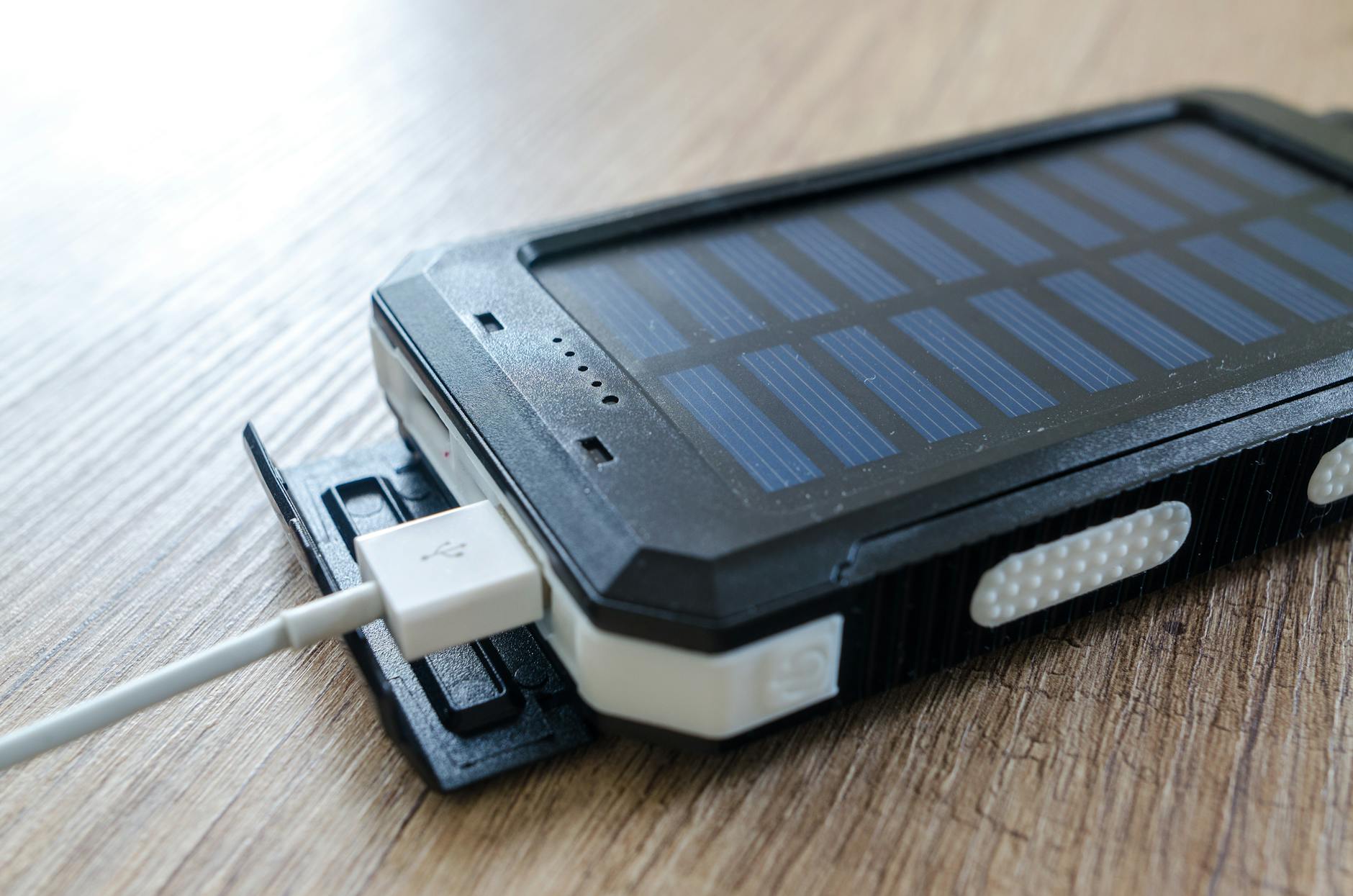
If you're dealing with an rv solar panel not charging battery problem, the good news is that the failure is often traceable to a small number of issues. In most RV setups, the charging path is straightforward: solar panels collect energy, wiring carries it to the charge controller, the controller regulates voltage, and the battery bank stores the power. When any point in that chain fails, charging stops or drops so low that it looks like nothing is happening.
At ShopRVGear, we researched the most common reasons RV solar systems stop charging and organized them into a practical troubleshooting sequence. Start with the simple checks first, confirm what your components are doing, and work toward the more technical fixes only if needed.
What's Going Wrong

The usual symptom is simple: your battery monitor, charge controller, or multimeter shows that the battery is not gaining charge even though the solar panel is in daylight. Sometimes the system appears completely dead. Other times, it charges weakly during peak sun but cannot keep up with normal RV loads.
This problem typically shows up in a few common situations:
- After storage, when battery disconnect switches were left off or terminals corroded
- After installing a new panel, charge controller, battery, or inverter
- During hot summer roof exposure, when wiring connections loosen or controllers overheat
- After driving on rough roads, where vibration can shake terminals loose
- In winter or shaded campsites, where low-angle sunlight reduces panel output
- After a blown fuse or accidental reverse-polarity connection during maintenance
Before assuming a major component has failed, we recommend checking whether the issue is really no charging, very slow charging, or battery charge disappearing under load. Those are related but different problems, and identifying which one you have makes troubleshooting much faster.
Root Causes
1. Not Enough Solar Input Reaching the Panels
If the panels are shaded, dirty, covered by debris, or pointed poorly relative to the sun, they may produce too little voltage or current to charge the battery effectively.
2. Blown Fuse, Breaker, or Disconnected Wiring
A single open fuse, tripped breaker, loose MC4 connector, or corroded battery terminal can interrupt the charging path.
3. Charge Controller Settings or Failure
The charge controller may be misconfigured for the battery type, stuck in fault mode, wired in the wrong sequence, or internally damaged.
4. Battery Is Full, Damaged, or Too Depleted
Sometimes the solar system is working, but the battery cannot accept or hold a charge. In other cases, a deeply discharged battery may sit below the controller's startup threshold.
5. Voltage Drop From Undersized or Damaged Cables
Long wire runs, small-gauge cable, heat damage, or poor crimps can reduce charging performance enough to make the system appear weak or nonfunctional.
6. Reverse Polarity or Incorrect Installation
If panel, controller, or battery leads were connected incorrectly during installation or upgrades, charging may stop entirely and protective devices may blow.
7. Parasitic Loads Are Consuming More Than Solar Produces
Your panels may be charging, but hidden DC loads, an inverter left on, or a residential fridge can consume more power than the array produces.
Step-by-Step Fix

1. Not Enough Solar Input Reaching the Panels
Tools/parts needed: soft brush or microfiber cloth, RV-safe panel cleaner or water, ladder, multimeter, shade-free parking spot
- Inspect the panel surface for dust, pollen, leaves, bird droppings, or snow.
- Clean the panel gently with water or an RV-safe cleaner. Avoid abrasive pads.
- Check for partial shade from AC units, antennas, vent covers, tree branches, or nearby structures. Even small shade patches can cut output sharply.
- Measure panel voltage in daylight with a multimeter if your system design allows safe access to test points.
- Reposition the RV or park in a clearer location if possible.
- If you use portable panels, angle them more directly toward midday sun.
- Recheck controller input and battery charging status after cleaning and repositioning.
2. Blown Fuse, Breaker, or Disconnected Wiring
Tools/parts needed: multimeter, replacement fuses, screwdriver, wrench set, contact cleaner, dielectric grease, flashlight
- Turn off major DC loads and follow proper shutdown steps for your solar setup.
- Inspect all inline fuses between panel and controller, and between controller and battery.
- Reset any solar or battery-side breakers.
- Check MC4 connectors for incomplete engagement, heat discoloration, or water intrusion.
- Tighten battery terminals and controller terminals to manufacturer spec.
- Clean corrosion from terminals using an appropriate electrical contact cleaner.
- Test continuity or voltage across suspect points to find where power stops.
- Replace blown fuses only with the correct amperage and type.
3. Charge Controller Settings or Failure
Tools/parts needed: controller manual, multimeter, smartphone app or display panel if applicable, replacement controller if needed
- Verify the controller is set for your actual battery chemistry: flooded lead-acid, AGM, gel, or lithium.
- Check for fault codes, warning lights, or app alerts.
- Confirm the battery was connected before the solar input if your controller requires that startup order.
- Review absorption, float, and low-temperature charging settings where applicable.
- Measure voltage at the controller's solar input and battery output terminals.
- If panel voltage is present but no battery charging output appears, the controller may be defective.
- Power-cycle the controller according to the manufacturer instructions.
- Replace the controller if settings are correct and voltage tests confirm internal failure.
4. Battery Is Full, Damaged, or Too Depleted
Tools/parts needed: multimeter, battery monitor if available, hydrometer for flooded batteries, compatible charger, replacement battery if needed
- Measure resting battery voltage after removing loads and charging sources for a short period if practical.
- Determine whether the battery is already near full charge. If so, low charging current may be normal.
- Inspect for swelling, leakage, sulfur smell, heat, or cracked casing.
- For flooded batteries, check electrolyte level and specific gravity if you are equipped to do so safely.
- If the battery is deeply discharged, use a compatible shore-powered charger to raise voltage enough for the solar controller to recognize it.
- Load-test the battery or review battery monitor history for rapid voltage sag.
- Replace the battery if it will not hold charge or shows physical damage.
5. Voltage Drop From Undersized or Damaged Cables
Tools/parts needed: multimeter, wire gauge chart, replacement cable, crimping tool, heat-shrink, cable cutters
- Measure voltage at the panel, then at the controller input, then at the battery terminals.
- Compare readings to identify where the biggest drop occurs.
- Inspect cable runs for melted insulation, pinched sections, loose lugs, or poor crimp connections.
- Evaluate whether the installed wire gauge matches the run length and current.
- Replace damaged wire and redo weak terminations.
- Upgrade undersized cable if voltage drop is excessive.
- Secure cables against vibration and sharp edges to prevent repeat failures.
6. Reverse Polarity or Incorrect Installation
Tools/parts needed: multimeter, wiring diagram, replacement fuse, labels or colored tape
- Disconnect power sources safely before handling conductors.
- Compare actual wiring against the controller and panel wiring diagram.
- Confirm positive-to-positive and negative-to-negative at each connection point.
- Check whether reverse-polarity protection fuses have blown.
- Correct any crossed leads before restoring power.
- Reconnect in the proper sequence recommended by the controller manufacturer.
- Label cables clearly to avoid future mistakes.
7. Parasitic Loads Are Consuming More Than Solar Produces
Tools/parts needed: battery monitor or clamp meter, notepad, appliance list
- Turn off nonessential 12V and inverter-powered loads.
- Observe whether battery voltage or charging current improves.
- Identify hidden loads such as propane detectors, Wi-Fi gear, tank heaters, fans, inverters in standby, and entertainment systems.
- Compare estimated daily solar production to your actual daily power consumption.
- Reduce loads during poor weather or limited sun conditions.
- Consider adding battery monitoring for more accurate diagnosis.
- If your energy use consistently exceeds solar harvest, add panel capacity, battery capacity, or both.
When to Call a Pro
Some RV solar problems are DIY-friendly, but there are clear times to stop and bring in a qualified technician.
Call a pro if:
- You smell burning insulation, see melted connectors, or notice scorching around the controller or fuse block
- The battery is swollen, leaking, overheating, or venting gas
- Roof wiring requires opening sealed penetrations you are not comfortable resealing
- You need specialty tools for advanced diagnostics, such as clamp meters, thermal inspection, or controller programming interfaces
- The system includes high-voltage residential-style solar components or complex inverter/charger integration
- The RV or component warranty could be affected by unauthorized repairs
- You corrected basic wiring and fuse issues but still have no charging after voltage testing
We also recommend professional help if your system was recently installed and has never worked correctly. In that case, the issue may involve design, wire sizing, controller programming, or installation errors that are faster to resolve with an RV solar specialist.
Frequently Asked Questions
Why is my RV solar panel showing voltage but not charging the battery?
That usually means power is being produced at the panel, but it is not making it through the rest of the charging path. Common reasons include a blown fuse, loose wiring, a bad charge controller, incorrect settings, or too much voltage drop in the cabling.
Can a bad battery make it seem like the solar panel is not working?
Yes. A battery that is sulfated, internally damaged, or deeply discharged may not accept charge normally. In that case, the panel and controller may be operating, but the battery either refuses the charge or loses it immediately under load.
How do we know if the charge controller is bad?
We recommend checking for panel input voltage at the controller and battery-side output at the same time. If the controller sees solar input but does not send proper charging voltage to the battery, and settings are correct, the controller may have failed.
Will shade on one part of the panel stop charging?
It can. Even partial shade can reduce output dramatically, especially on smaller RV arrays. Shade from roof accessories is a very common reason charging drops during certain times of day.
Why does my system charge during the day but the battery still ends up low at night?
That often points to either insufficient solar production for your daily usage or a battery that is no longer holding capacity. Hidden parasitic loads can also drain the battery faster than expected.
What should we check first when an RV solar panel is not charging the battery?
Start with the easiest items: sunlight conditions, panel cleanliness, battery disconnect position, fuse status, visible wire connections, and controller fault indicators. Those checks solve a large share of cases before deeper electrical testing is needed.
A methodical approach usually finds the answer. If your rv solar panel not charging battery issue persists after these checks, focus on measured voltage at each point in the system rather than guessing. That simple step-by-step process is the fastest way to separate a panel problem from a wiring problem, a controller fault, or a battery failure.
Get your free Get Our Free RV Gear Checklist
Everything you need before your next trip — from hookups to solar, storage to safety.
Recommended Tools & Parts