Complete RV Maintenance Schedule: Every Task, Every Interval

Salem Hassan founded Travelcamp RV and brings 30+ years of hands-on RV, marine, and powersports experience to every review.
Why trust us
ShopRVGear articles are researched by the Searchshop Editorial team using manufacturer specs, RV trade sources, and owner feedback. We match every recommendation to your RV class — Class A, B, C, fifth-wheel, or travel trailer — because gear that works in a 40-ft motorhome often does not fit a Class B van. We may earn a commission on qualifying purchases; it does not change what we recommend.



Keeping up with an rv maintenance schedule checklist is one of the smartest ways to protect your rig, your travel plans, and your budget. Whether we own a motorhome, fifth wheel, or travel trailer, routine upkeep helps us catch small issues before they become expensive repairs.
At ShopRVGear, we researched the most important recurring maintenance tasks RV owners need to stay on top of, then organized them into a practical schedule you can actually use. This guide covers what to inspect, how often to do it, what tools to keep on hand, and the warning signs that tell us maintenance has been delayed too long.
Maintenance Schedule

Below is a practical rv maintenance schedule checklist using consistent intervals so it is easy to follow year-round.
| Interval | Task | What to Check | Est. Time |
|---|---|---|---|
| Daily | Walk-around before travel | Tire condition, lights, awning retracted, steps up, compartments latched, hitch connection | 10–15 min |
| Daily | Check tire pressure visually and with gauge when needed | Low tires, sidewall cracks, embedded debris | 5–10 min |
| Daily | Monitor battery and tank levels | Battery charge, fresh/gray/black tank status | 5 min |
| Weekly | Inspect roof and exterior seals during active travel periods | Cracks, lifting sealant, soft spots, loose trim | 20–30 min |
| Weekly | Test safety devices | Smoke alarm, CO detector, LP detector, fire extinguisher charge | 10–15 min |
| Weekly | Check water connections and plumbing | Hose fittings, pump cycling, drips under sinks, toilet seal | 15–20 min |
| Monthly | Deep-check tires and wheels | Pressure, tread wear, lug torque per manufacturer spec, valve stems | 20–30 min |
| Monthly | Inspect battery system | Terminal corrosion, water level on flooded batteries, cable tightness, charge state | 20 min |
| Monthly | Clean and inspect HVAC | Return air filters, vents, AC shroud debris, furnace intake/exhaust | 20–40 min |
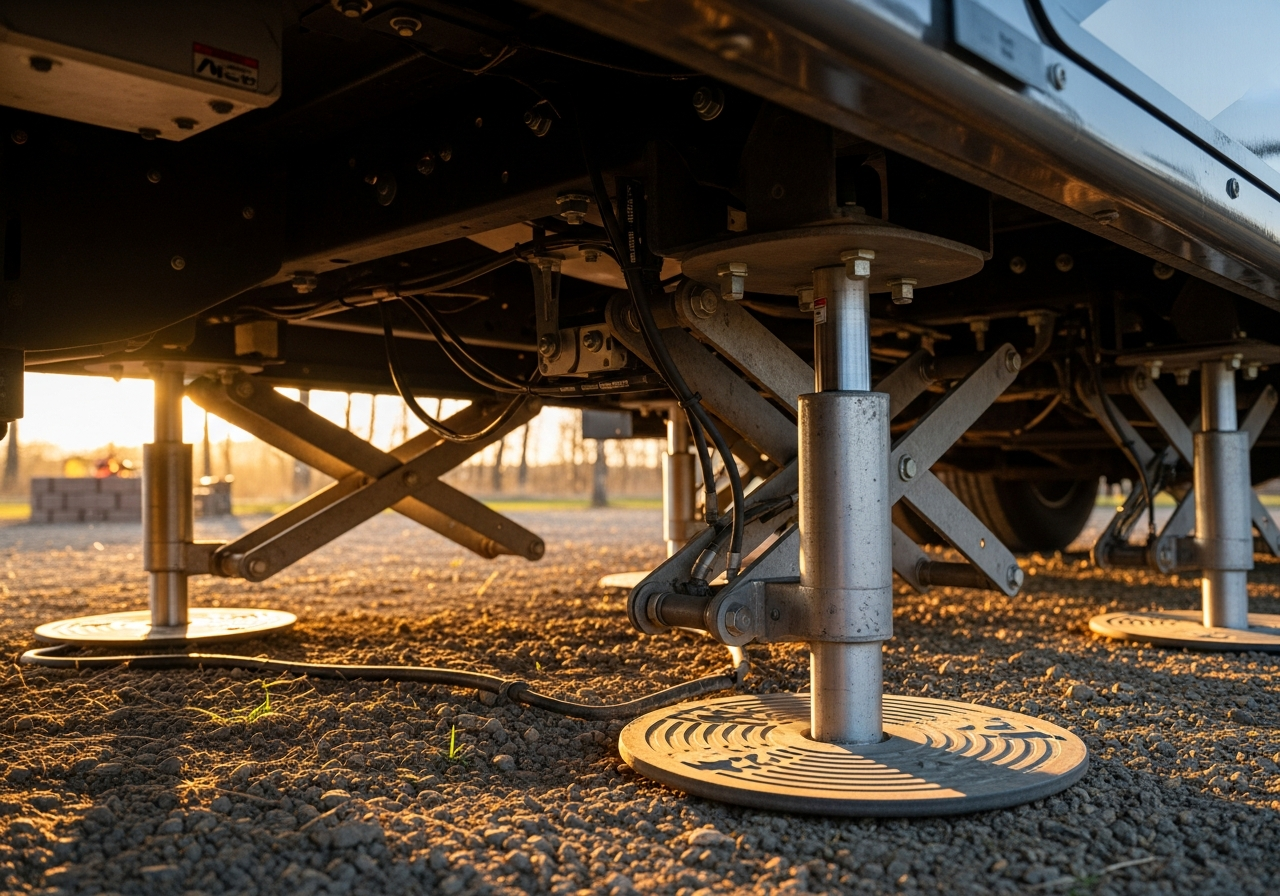
| Monthly | Lubricate moving parts | Entry steps, stabilizer jacks, hitch coupler, locks, slide seals if approved | 20–30 min |
| Monthly | Check appliances | Fridge cooling performance, water heater operation, stove flame quality | 20–30 min |
| Annually | Reseal roof and penetrations as needed | Lap sealant condition around vents, skylights, antennas, edges | 2–4 hr |
| Annually | Service wheel bearings and brakes on towables | Bearing grease, brake shoe wear, drum condition, wiring | 2–4 hr |
| Annually | Flush water heater and sanitize fresh water system | Sediment, anode rod wear, odor, water clarity | 1–2 hr |
| Annually | Inspect suspension and undercarriage | Bushings, shackles, U-bolts, shocks, rust, underbelly damage | 1–2 hr |
| Annually | Check caulking, weatherstripping, and slide toppers | Dry rot, tears, compression loss, water paths | 1–2 hr |
| As-needed | Wash and protect exterior | Oxidation, sap, bug buildup, streaking, UV exposure | 1–3 hr |
| As-needed | Replace worn wiper blades and bulbs | Streaking, cracking rubber, dim or failed lights | 15–30 min |
| As-needed | Address leaks, odors, or unusual noises immediately | Water stains, propane smell, grinding, squealing, persistent dampness | Varies |
| As-needed | Winterize or de-winterize | Freezing risk, antifreeze bypass, drain plugs, low-point drains | 1–3 hr |
Why Regular Maintenance Matters
RVs combine the systems of a vehicle and a small home, which means there are more components to monitor than most owners expect. Tires age even when mileage is low. Roof sealant dries out in the sun. Batteries lose performance when left discharged. Water intrusion can quietly damage walls, floors, and insulation long before it becomes obvious.
When we follow a consistent maintenance routine, we improve:
- Safety: Proper tire pressure, functioning brakes, and leak-free propane systems reduce risk on the road and at camp.
- Reliability: A maintained RV is less likely to suffer trip-ending failures.
- Resale value: Service records and visible care help preserve market value.
- Operating cost: Preventive maintenance is usually far cheaper than replacing damaged components.
- Comfort: Clean filters, healthy batteries, and well-maintained plumbing and HVAC systems make every trip easier.
Neglect, on the other hand, often leads to avoidable problems like roof leaks, tire blowouts, battery failure, mold, appliance inefficiency, and suspension wear. A tube of lap sealant or a 10-minute pressure check can save us hundreds or even thousands of dollars later. That is the real return on investment of a good maintenance plan.
Tools & Supplies You'll Need

We recommend keeping a dedicated RV maintenance tote with the essentials below:
- Digital tire pressure gauge, 0–150 PSI range, backlit display
- Portable air compressor, 12V or 120V, rated for your RV tire PSI requirements
- Torque wrench, 1/2-inch drive, appropriate range for your wheel lug specs
- Dicor Self-Leveling Lap Sealant for horizontal roof penetrations
- Dicor Non-Sag Sealant for vertical seams and trim areas
- EternaBond RoofSeal Tape, 4-inch roll for emergency roof repairs
- Camco TastePURE water hose, drinking-water-safe, 5/8-inch diameter
- Camco inline water pressure regulator, brass, preset or adjustable
- Water heater flush wand for sediment removal
- Anode rod socket, typically 1-1/16-inch for many Suburban water heaters
- CRC Battery Terminal Protector and wire brush for battery maintenance
- Multimeter for checking battery voltage and basic electrical troubleshooting
- Dry lubricant with PTFE or silicone spray for steps, locks, and hinges
- RV roof cleaner compatible with EPDM, TPO, or fiberglass roofing
- Microfiber towels and soft-bristle brush for exterior cleaning
- Nitrile gloves and safety glasses for chemical handling and dirty jobs
- Wheel chocks rated for trailer weight
- Leveling blocks for setup and service stability
- Disposable moisture absorber packs or compact dehumidifier for storage periods
Detailed Step-by-Step Instructions
Tires, Wheels, and Running Gear
- Park on level ground and secure the RV with wheel chocks.
- Check cold tire pressure using the inflation value appropriate for your actual load and manufacturer guidance.
- Inspect each tire sidewall for cracking, bulges, cuts, or weather checking.
- Look across the tread for uneven wear, feathering, or bald spots that may suggest alignment or suspension issues.
- Remove stones or debris from tread grooves.
- Inspect valve stems for cracking and make sure valve caps are installed.
- Check wheel lug torque with a calibrated torque wrench to the chassis or axle manufacturer specification. ⚠️ Never guess on lug torque values.
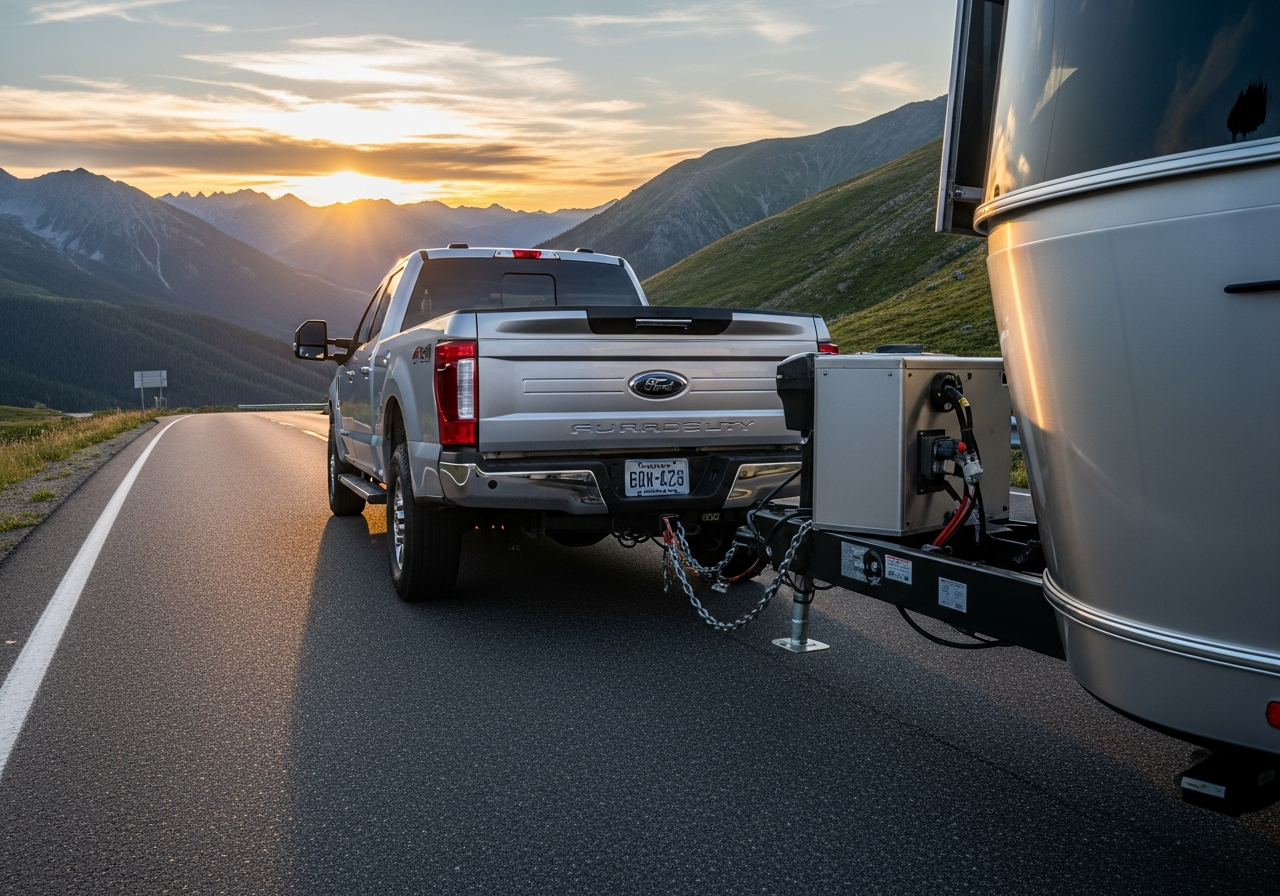
- On towables, inspect leaf springs, shackles, equalizers, and U-bolts for looseness, rust, or elongation.
- If due annually, service wheel bearings and inspect brake assemblies or have a qualified shop complete the work.
- Replace tires based on age, condition, and manufacturer guidance, not tread depth alone.
Roof, Seals, and Exterior
- Use a stable ladder and only step on roof areas approved by the manufacturer. ⚠️ Wet roofs are slippery; delay inspection if conditions are unsafe.
- Sweep away leaves, branches, and grit before inspecting sealant.
- Check around vents, skylights, antennas, AC units, ladder mounts, and front and rear termination rails.
- Look for cracked, separated, bubbling, or chalky sealant.
- Press gently around suspicious areas to identify soft decking that may indicate water damage.
- Clean the surface with an RV-safe roof cleaner and allow it to dry fully.
- Apply self-leveling lap sealant on horizontal roof penetrations where old sealant has failed.
- Use non-sag sealant on vertical seams and trim areas.
- Inspect sidewall caulking, window seals, marker lights, and compartment doors for gaps.
- Wash the exterior as-needed and consider UV protection products compatible with your finish.
Battery and Electrical System
- Disconnect shore power and switch off major 12V loads before service.
- Inspect battery cases for swelling, cracks, or leaks.
- Clean corrosion from terminals using a battery brush and approved cleaner.
- Tighten cable connections so they are secure but not over-tightened.
- For flooded lead-acid batteries, check electrolyte level and top off only with distilled water if needed.
- Measure resting voltage with a multimeter to assess charge condition.
- Confirm the converter or charger is bringing batteries to the proper charging range.
- Inspect fuses, battery disconnect switches, and visible wiring for heat damage or loose connections.
- Test interior lights, slide motors, tongue jack, and other 12V accessories.
- During storage, maintain batteries with a compatible smart charger or disconnect them if recommended by the manufacturer.
Plumbing and Water System
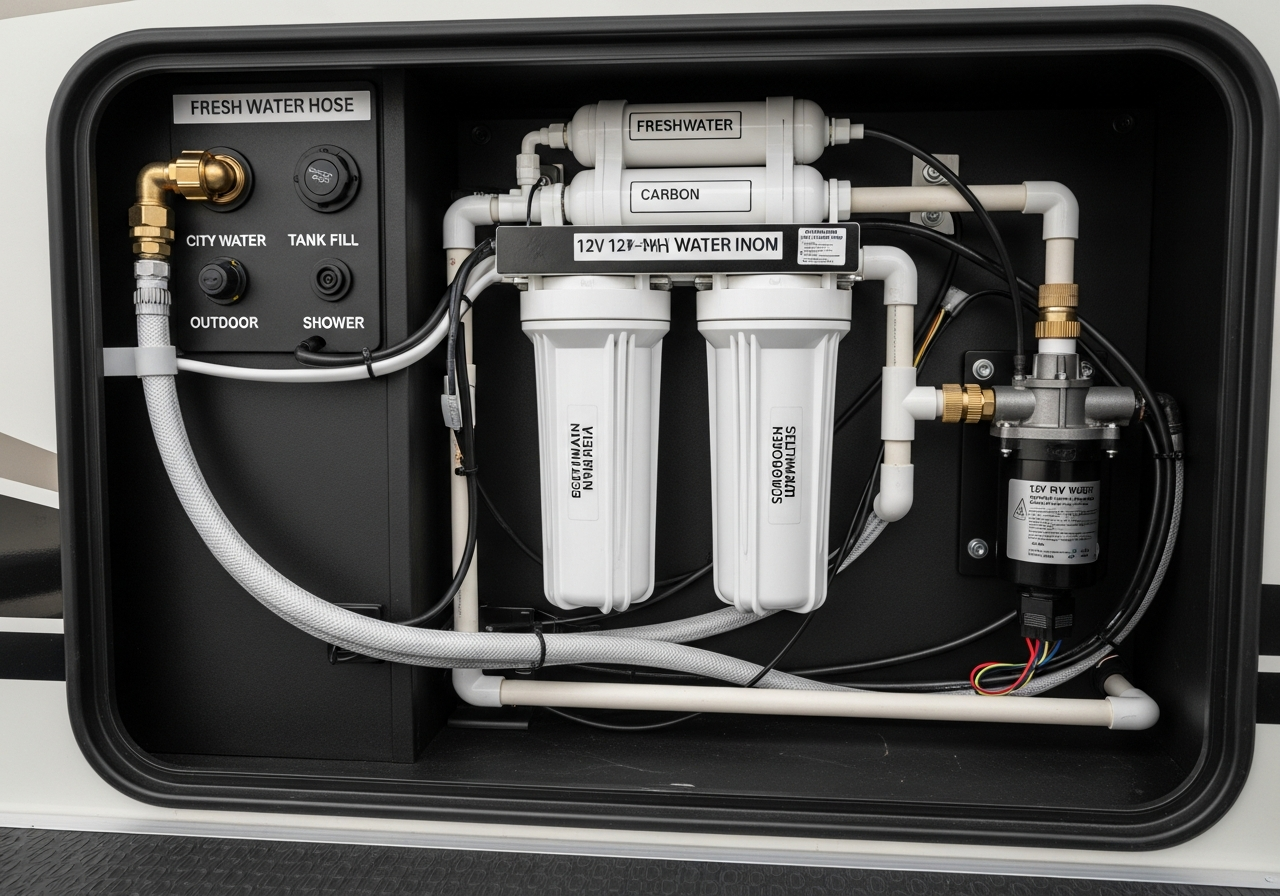
- Connect a drinking-water-safe hose with a pressure regulator.
- Turn on water and inspect the city water inlet, hose washers, and fittings for drips.
- Check under sinks, around the toilet base, behind access panels, and near the water heater for leaks.
- Run the water pump and listen for repeated cycling when fixtures are off; this can indicate a leak or pressure loss.
- Empty and rinse holding tanks according to campground rules and your tank system design.
- Sanitize the fresh water system at least annually or after long storage.
- Flush the water heater to remove sediment buildup.
- Inspect the anode rod if your water heater uses one and replace it when significantly depleted.
- Lubricate dump valve seals if operation becomes stiff and use RV-safe tank treatments if desired.
- Winterize before freezing temperatures by draining lines and using RV antifreeze where required. ⚠️ Never use automotive antifreeze in potable water systems.
Propane, Appliances, and HVAC
- Turn off propane at the cylinder before visual inspection.
- Check propane hoses and regulator area for cracking, abrasion, or oil residue.
- Open the cylinder slowly and verify there is no propane odor. ⚠️ If you smell gas, shut the system down immediately and investigate before using any appliance.
- Test the LP detector, smoke alarm, and carbon monoxide detector.
- Light the stove burners and observe flame color; a steady blue flame is typically normal.
- Confirm the refrigerator cools properly on the intended power source.
- Inspect furnace and water heater exterior vents for mud dauber nests, soot, or blockages.
- Remove and clean AC return filters monthly during heavy use.
- Listen for unusual fan noise, short cycling, or weak airflow from HVAC components.
- Schedule professional service for combustion appliances if performance is inconsistent or you see soot buildup.
Interior, Slide-Outs, and Safety Equipment
- Open and close slide-outs while listening for binding, popping, or uneven movement.
- Inspect slide seals and wiper seals for tears, flattening, or debris.
- Clean slide roofs if accessible and remove sticks or leaves before retracting.
- Lubricate slide components only with products approved by the manufacturer.
- Check entry steps, handrails, locks, and compartment latches for smooth operation.
- Inspect ceilings, wall corners, and around windows for stains, bubbling, or soft spots.
- Test GFCI outlets and reset them if necessary.
- Verify the fire extinguisher is charged and accessible.
- Check emergency exit windows for operation.
- Replace detector batteries and note service dates on alarms.
Signs You've Waited Too Long
Soft Spots on the Roof or Floor
Soft or spongy areas usually mean moisture has already penetrated structural materials. At that point, the issue may go far beyond simple resealing.
Uneven Tire Wear or Sidewall Cracking
If tires show cupping, inside-edge wear, or visible weather checking, we may be dealing with suspension issues, chronic underinflation, or age-related tire failure risk.
Persistent Battery Drain
A battery that will not hold charge, shows corrosion repeatedly, or drops voltage quickly may be sulfated, damaged, or connected to a parasitic draw.
Water Stains, Musty Odors, or Bubbling Wall Panels
These are classic signs of hidden leaks. By the time staining appears indoors, water may have been entering for a long time.
Furnace, Fridge, or Water Heater Performance Drops
Slow cooling, ignition trouble, soot, or inconsistent heating often point to neglected cleaning, blocked vents, failing components, or low gas pressure.
Squealing Brakes or Grease Around Wheels
On towables, noisy brakes or grease streaking near the hub can indicate bearing or seal problems that need immediate attention.
Repeated Pump Cycling or Damp Storage Bays
If the water pump runs when no fixture is open, or compartments feel damp, we should assume there is a plumbing leak until proven otherwise.
Frequently Asked Questions
How often should we inspect an RV roof?
We recommend a quick visual inspection during active travel periods weekly, with a more thorough inspection monthly and a full reseal assessment annually.
What is the most important item on an rv maintenance schedule checklist?
If we had to prioritize, tire condition and roof sealing are near the top. Tires affect immediate road safety, while roof neglect can lead to some of the costliest long-term damage.
Do RV tires need replacement even with good tread?
Yes. Many RV tires age out before they wear out. We researched common manufacturer guidance showing that age, storage conditions, and sidewall condition matter as much as tread depth.
How often should we sanitize the fresh water system?
At least annually, and also after long storage, contamination concerns, or noticeable odor or taste issues.
Can we do all RV maintenance ourselves?
Many routine tasks are DIY-friendly, including inspections, cleaning, sealant touch-ups, filter cleaning, and battery care. For brakes, bearings, propane leak diagnosis, and major electrical work, many owners prefer a qualified RV technician.
What should we check before every trip?
Use a short departure routine: tire condition and pressure, lights, hitch or tow connection, battery level, awning retracted, steps up, vents secured, compartments latched, and visible leaks or damage.
Is annual maintenance enough for a lightly used RV?
Usually not. Even parked RVs age from UV exposure, moisture, and temperature swings. Low-use rigs still need recurring inspections, especially for seals, tires, and batteries.
A dependable RV does not happen by accident. When we follow a clear rv maintenance schedule checklist, we reduce surprises, protect expensive components, and make every trip easier to enjoy. If you want to build a maintenance kit that supports this routine, ShopRVGear recommends starting with tire tools, roof sealant, battery care supplies, and water system essentials first.
Get your free Get Our Free RV Gear Checklist
Everything you need before your next trip — from hookups to solar, storage to safety.
Recommended Products