How to Improve Sleep Quality in Your RV: 8 Practical Tips

Salem Hassan founded Travelcamp RV and brings 30+ years of hands-on RV, marine, and powersports retail experience to every review.
✎ Reviewed by Salem Hassan — Founder, Travelcamp RV · 30+ years in RV, marine, and powersports retail
Why trust us
ShopRVGear articles are researched by the Searchshop Editorial team using manufacturer specs, RV trade sources, and owner feedback. We match every recommendation to your RV class — Class A, B, C, fifth-wheel, or travel trailer — because gear that works in a 40-ft motorhome often does not fit a Class B van. We may earn a commission on qualifying purchases; it does not change what we recommend.
How to Improve Sleep Quality in Your RV: 8 Practical Tips
If you’ve been searching for how to improve rv sleep quality tips, the good news is that better rest in your rig usually comes down to a handful of practical fixes. We researched the most common reasons RVers sleep poorly—noise, temperature swings, mattress discomfort, light leaks, and campsite setup—and found that small adjustments often make the biggest difference. Whether you’re a weekend camper or full-timer, these eight steps can help you create a quieter, darker, cooler, and more supportive sleeping space.
Why Sleep Can Be Harder in an RV

RV sleeping environments are different from bedrooms at home. Walls are thinner, beds may be shorter or oddly shaped, HVAC systems cycle more noticeably, and outdoor sounds carry easily. Add in unfamiliar campsites, humidity, motion, and limited ventilation, and it’s easy to see why sleep suffers.
The good news: most RV sleep issues are manageable with a systematic approach.
1. Start With the Mattress and Bed Support
A poor mattress is one of the biggest reasons RVers wake up sore or unrested.
What to check
- Lie down in your usual sleeping position for 10 to 15 minutes.
- Notice pressure points at the shoulders, hips, and lower back.
- Check whether the platform under the mattress is sagging, uneven, or poorly ventilated.
- Measure the mattress size carefully, since many RV beds are not standard residential dimensions.
How to improve it
- Add a supportive topper if the mattress is too firm or thin.
- Rotate the mattress if the manufacturer allows it.
- Inspect the bed platform for loose hardware or bowed panels.
- Improve airflow under the mattress to reduce trapped moisture.
Safety tip
If you lift a hinged bed platform for storage access, make sure it is properly supported before reaching underneath. Gas struts and hinges can fail.
2. Control Temperature More Precisely

Sleeping too hot or too cold is a common RV problem, especially when nighttime temperatures swing fast.
How to dial in a better sleeping temperature
- Pre-cool or pre-warm the RV 30 to 60 minutes before bed.
- Use layered bedding instead of one heavy blanket.
- Close shades before sunset in hot weather to reduce heat gain.
- In cooler weather, insulate drafty windows and doors.
- Run roof vents or fans strategically to move stale air out.
Seasonal note
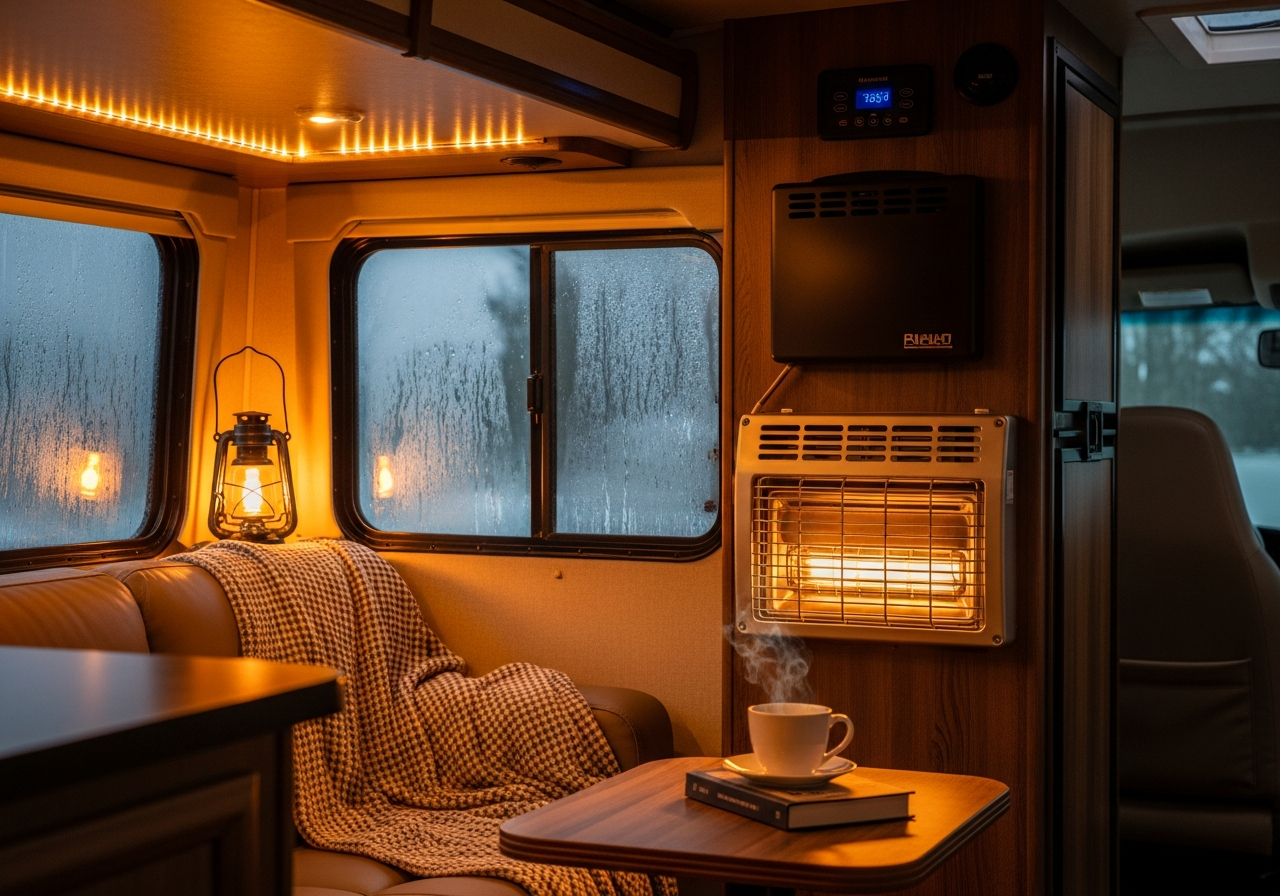
In summer, focus on airflow and radiant heat reduction. In winter, focus on drafts, condensation control, and safe supplemental heat practices.
Safety tip
Never block furnace vents, and only use heaters approved for RV use according to manufacturer instructions. Maintain working smoke and carbon monoxide alarms at all times.
3. Reduce Noise Inside and Outside the RV
Thin walls and close campground spacing can make every conversation, generator hum, or passing truck feel amplified.
Practical noise-reduction steps
- Choose campsites away from bathhouses, playgrounds, entry roads, and dumpsters when possible.
- Seal rattles inside the RV, including cabinet doors, blinds, and loose trim.
- Add soft materials like rugs, fabric panels, or padded headboards to reduce echo.
- Use a steady background sound, such as a fan, to mask inconsistent noise.
Troubleshooting rattles at night
- Walk through the RV during the day and gently shake doors, drawers, and vents.
- Solution: Tighten latches, add bumpers, or use felt pads.
- Check the bed frame and platform for squeaks.
- Solution: Tighten fasteners and add non-slip padding where surfaces rub.
- Inspect roof vent covers and window shades.
- Solution: Secure loose components before bedtime.
4. Make the Sleeping Area Darker
Campground lights, early sunrise, and electronics can all interfere with sleep.
How to darken your RV bedroom
- Check for light leaks around shades, door frames, and skylights.
- Add blackout curtains or secondary window coverings where needed.
- Cover bright indicator lights from chargers, TVs, and control panels.
- Turn off unnecessary interior lights well before bed.
Why this matters
A darker space supports your body’s natural sleep cycle and can make a major difference when you’re parked under bright security lights or waking too early in summer.
5. Improve Ventilation and Manage Humidity
Stuffy air and condensation can make an RV bedroom uncomfortable fast.
Step-by-step ventilation routine
- Crack a window slightly on one side of the RV.
- Open a roof vent or run a vent fan on the opposite side to create cross-ventilation.
- Monitor humidity, especially in cool weather.
- Dry wet towels, shoes, and rain gear outside or in a ventilated area when possible.
Signs humidity is hurting sleep
- Damp bedding
- Condensation on windows
- Musty smells
- A clammy feeling overnight
Safety tip
Do not leave windows open in a way that compromises security or allows rain intrusion. Use vent covers where appropriate and always monitor weather changes.
6. Level the RV Correctly
Even a slight tilt can affect comfort, especially for side sleepers or anyone prone to acid reflux.
How to level for better sleep
- Park on the flattest site available.
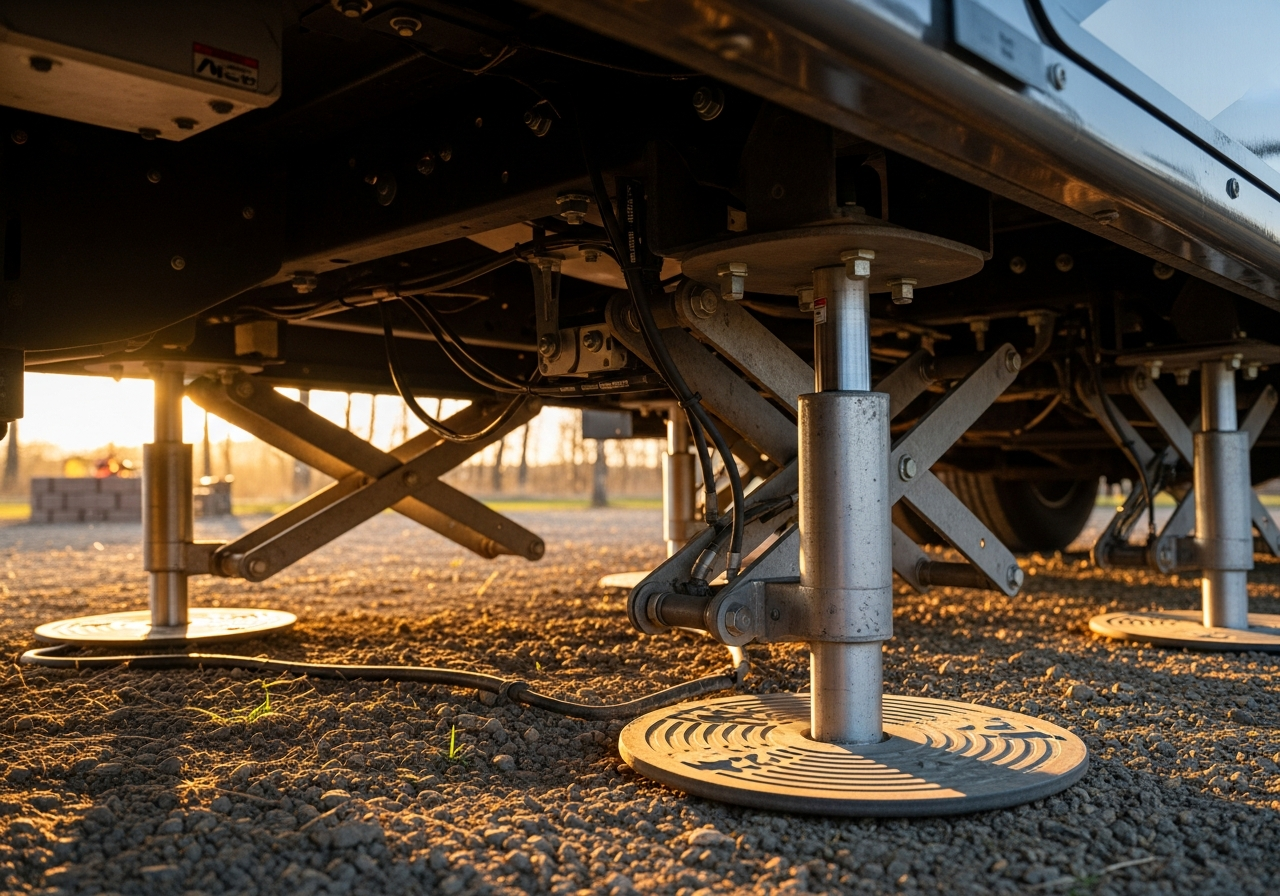
- Use your RV’s leveling system or leveling blocks according to the manufacturer’s instructions.
- Recheck level side-to-side and front-to-back.
- Walk around inside before bedtime to confirm the RV feels stable.
Why it matters
A level RV helps you feel more settled in bed, keeps fluids draining properly, and may reduce the sensation of rolling or sliding during the night.
Safety tip
Never crawl under an RV supported only by jacks or leveling equipment unless it is properly secured according to safety guidelines.
7. Build a Consistent Bedtime Routine
A familiar routine helps your body settle, even when your location changes.
Simple RV bedtime routine
- Lower interior lights 30 to 60 minutes before bed.
- Set thermostat or ventilation for overnight comfort.
- Secure loose items that may shift or rattle.
- Put phones and bright screens away.
- Keep water, a flashlight, and essentials within reach.
Why routines help in RV travel
New environments can keep your brain more alert than usual. Repeating the same wind-down steps each night makes sleep more predictable.
8. Choose Better Campsites When Possible
Sometimes the problem isn’t your mattress or bedding—it’s the site itself.
What to look for when booking or arriving
- Distance from roads, gates, and common areas
- Shade coverage for temperature control
- Ground that allows proper leveling
- Wind exposure
- Nearby lighting sources
Quick campsite diagnostic
Before you fully set up, ask:
- Is the site level enough for comfortable sleeping?
- Solution: Reposition if needed before deploying everything.
- Is there excessive road noise or foot traffic?
- Solution: Request a quieter site if available.
- Will morning sun overheat the bedroom side?
- Solution: Use shades early and improve airflow.
Troubleshooting Common RV Sleep Problems
If you’re still sleeping poorly, diagnose the issue one symptom at a time.
1. We wake up hot every night
- Check whether the bedroom gets direct afternoon or morning sun.
- Solution: Close shades early and improve ventilation.
- Inspect air circulation around the bed.
- Solution: Add airflow and avoid pushing bedding against vents.
- Review bedding layers.
- Solution: Switch to lighter, breathable materials.
2. We wake up with back or hip pain
- Evaluate mattress firmness and support.
- Solution: Add a topper or address worn-out support.
- Inspect the bed platform.
- Solution: Tighten hardware and reinforce sagging areas.
- Confirm the RV is level.
- Solution: Re-level before bed.
3. We hear every sound outside
- Identify whether noise is external or from interior rattles.
- Solution: Treat both separately.
- Check windows, shades, and cabinets for vibration.
- Solution: Add felt pads or secure latches.
- Review campsite placement.
- Solution: Move farther from high-traffic areas when possible.
4. The bedroom feels damp or musty
- Look for condensation on windows or walls.
- Solution: Increase ventilation and reduce indoor moisture sources.
- Check under the mattress for trapped moisture.
- Solution: Air it out and improve under-mattress airflow.
- Inspect seals and vents.
- Solution: Repair leaks promptly.
Seasonal Maintenance Guide for Better Sleep
Preventive maintenance can solve sleep issues before they start.
Spring checklist
- Air out the mattress and bedding after storage.
- Inspect windows, roof vents, and seals for leaks.
- Clean vent fans and replace HVAC filters if applicable.
- Check blackout coverings and curtain hardware.
- Tighten bed-frame and cabinet hardware loosened by travel.
Summer checklist
- Inspect roof vent operation and fan performance.
- Clean AC filters and confirm strong airflow.
- Check window coverings for heat control.
- Monitor bedroom temperatures at sunset and bedtime.
- Look for sun exposure patterns that affect sleep comfort.
Fall checklist
- Seal drafts around windows and doors.
- Switch to layered bedding for changing temperatures.
- Check furnace function before cold nights arrive.
- Monitor humidity as outside temperatures drop.
- Inspect mattress underside for condensation buildup.
Winter checklist
- Test smoke and carbon monoxide alarms.
- Confirm safe heater operation and clear furnace vents.
- Reduce condensation with controlled ventilation.
- Use rugs or soft flooring to reduce cold transfer underfoot.
- Inspect seals regularly after storms or freezing weather.
Step-by-Step Monthly Sleep Comfort Check
We recommend doing this quick routine once a month during travel season:
- Strip the bed and inspect the mattress for moisture, sagging, or wear.
- Tighten visible bed-frame screws and nearby cabinet hardware.
- Check window coverings for light gaps.
- Run fans, vents, and HVAC for proper operation.
- Sit quietly in the bedroom and listen for rattles you can fix before nightfall.
- Reassess bedding layers based on the current forecast.
Final Thoughts
Better rest on the road rarely depends on one big change. In most cases, improving RV sleep means combining several small fixes: a more supportive bed, better temperature control, less noise, darker windows, lower humidity, and a well-leveled campsite. We researched the most common sleep complaints from RV owners and found that a systematic, practical approach works best.
Key Takeaways
- Start with the basics: mattress support, leveling, temperature, and darkness.
- Reduce interior rattles and choose quieter campsites whenever possible.
- Control humidity and improve airflow to avoid clammy, restless nights.
- Troubleshoot sleep problems by symptom instead of changing everything at once.
- Follow seasonal and monthly maintenance checklists to prevent recurring issues.
- Prioritize safety with heating, ventilation, alarms, and bed-platform support.
With a few deliberate adjustments, your RV can become a much more comfortable place to recharge for the next day’s drive or adventure.