
Best RV Bunk Bed Mattresses for Kids and Guests

Jake has spent 8 years full-timing in a Class A motorhome and has personally tested hundreds of RV products across North America. He is the lead gear reviewer at Shop RV Gear, covering solar setups, backup safety syst…
Why trust us
Every product featured on Shop RV Gear is researched by RV owners with real on-road experience. Our lead reviewer Jake Morris has full-timed for 8 years and personally tested gear across 40+ states. We earn a small commission on qualifying purchases — this never influences our picks.
How We Evaluated
We researched and tested the top options, comparing them across key factors including performance, value, ease of use, and reliability. Our recommendations are based on hands-on evaluation and real-world usage data.
⚡ Quick Picks
- #1 Zinus Green Tea Memory Foam Mattress 6 Inch, Pressure-Relieving Comfort & Full-Body Support, Naturally Fresh, Medium Firm Feel, CertiPUR-US & Oeko-TEX Certified Safe Materials, Narrow Twin $90.75 View on Amazon →
- #2 Zinus Narrow Twin Mattress (30” Wide x 75” Long), 6 Inch Foam & Spring Hybrid Mattress for Bunk Beds, Trundles, RVs & Compact Spaces, Medium Firm Feel, CertiPUR-US Certified $83.99 View on Amazon →
- #3 MLILY Twin Mattress in a Box, 5 inch Mattresses Made in USA for Kids Bed Single Size Daybed Individual Bunk, Memory Foam Medium Firm, $88.62 View on Amazon →
Short answer: the best RV bunk bed mattresses for real-world camping
If your kids or guests are whining about the bunks, it’s because most factory RV bunk mattresses are 3–4" of cheap foam over plywood. Upgrading to a real mattress makes a huge difference in how much everyone actually enjoys the trip.[5][9]
For most RV families, a 5–6" medium-firm memory-foam or hybrid RV bunk mattress, cut to your exact bunk size, hits the sweet spot of comfort, support, and weight.[4][8] Look for breathable foams, at least 4" of total foam with a denser support core, and a removable cover so it survives kid spills. If your bunks are narrow or curved, topping the OEM pad with a quality 2–3" gel memory foam topper is often the most practical fix.[1][5]

Below are the best options that actually work in RV bunk spaces, how to measure so you don’t get burned, and what to skip entirely.
How to choose the right RV bunk mattress (before you buy anything)
1. Get the sizing right (RV “bunk” is not one size fits all)
RV bunk sizes vary wildly by brand and floorplan.[4][5]
Measure your bunk platform, not the original mattress:

- Measure length: inside frame/headboard to footboard.
- Measure width: wall to wall (or rail to wall) at both head and foot.
- Measure height clearance: from bunk platform to the bottom of the upper bunk or ceiling.
Then decide max mattress thickness:
- Under 6" clearance above current mattress → use a 2–3" topper instead of a full replacement.[5]
- 6–9" clearance → a 5–6" mattress is usually the practical max for kids.
- 9"+ clearance → you can go 6–8" if you want more comfort for adults.
Custom RV sizes you’ll commonly see:
- RV bunk: ~28" x 75" to 32" x 75"[4][8]
- RV short twin: ~34" x 75"
- RV twin: ~38" x 75"[4]
If your dimensions are odd, look for cut-to-size foam RV bunk mattresses or buy a slightly larger mattress and trim the foam (only if the cover is removable or you’re re-covering it).[1][4]
2. Pick the right mattress type for bunks
| Type | Best for |
|---|---|
| All-foam (memory foam) | Kids, light/medium adults, low overhead |
| Hybrid (foam + coils) | Teens/adults, heavier sleepers |
| High-density polyfoam | Budget upgrades, toddlers |
| Topper on OEM pad | Tight clearances, oddly-shaped bunks |
- Memory foam / gel memory foam: Contouring, good pressure relief, easier on kids’ bony hips and shoulders.[4][8][9]
- Polyfoam: Lighter, cheaper, OK if density is high enough (supportive core, not couch-cushion soft).[4]
- Hybrid: Coils add bounce and airflow; in bunks, thickness and weight can be an issue, so these are less common for tight bunks.[9][10]
3. Firmness & support (what actually works in a bunk)
- Kids under 12: Medium to medium-firm keeps spines aligned and makes it easier for them to move around.
- Teens & adult guests: Medium-firm is safest; too soft + thin just bottoms out on plywood.
- Side sleepers: A top comfort layer of 2–3" memory foam on top of a firmer base works well.[9][10]
In a bunk, support matters more than plushness — you don’t have 10–12" to build a luxury pillow top. Look for:
- At least 4–5" total thickness for kids / light adults.
- A high-density base foam core (often 1.8 lb/ft³ or better), not just one slab of cheap foam.[4][9]
4. Weight, ventilation, and moisture
RVs live in humidity swings, and kids bring spills.
- Prefer breathable covers (cotton, performance knit) over vinyl.[9]
- Look for gel-infused or open-cell memory foam if you camp in hot weather.[8][9]
- Add a waterproof yet breathable protector for all kids’ bunks and guest beds.[5]
Heavier mattresses are a pain to wrestle into bunks and can impact slide/tongue weights in small rigs. All-foam bunk mattresses are usually lighter than hybrids.[9][10]
5. Safety for upper bunks
For top bunks, prioritize:
- Guard rail height above mattress: Keep at least ~5" of rail showing after upgrade.
- Low profile: A 5–6" mattress is safer than an 8–10" one on top bunks.
- Firm edges help kids feel more secure and less likely to roll off.
Best overall RV bunk mattress for kids & guests
1. Memory foam RV bunk mattress (cut-to-size, 5–6")
Best for: Most families who want comfort, easy install, and a big upgrade over factory pads.
Several brands sell 5–6" RV bunk memory foam mattresses in RV twin and bunk sizes, and many can be trimmed for odd-sized platforms.[3][4][8]
Why it works in real RV bunks
- Thick enough that kids don’t feel plywood, but still low-profile for upper bunks.
- Memory foam top layer softens the “camp mat” feel without needing a separate topper.
- All-foam means you can bend it around corners and through narrow RV doors.
Look for these specs (non-negotiable):
- Total height: 5–6".
- Comfort layer: 2–3" memory foam or gel memory foam.
- Support core: 2–3" high-density polyfoam.[4][9]
- Removable, washable cover.
Pros
- Big comfort upgrade in a single purchase.
- Easier for kids to climb into than a tall hybrid.
- Light enough to lift for accessing storage under bunks.
- Can often be trimmed to fit curved or odd bunks.[1][4]
Cons
- Can sleep warm without a breathable cover.[8]
- Edges may feel softer on very narrow bunks.
- Not ideal for very heavy adults (250+ lb) on a regular basis.[9]
Who should skip it: If your upper bunk clearance is tight (less than 6–7" above the current pad), go with a 2–3" topper instead.
Best budget upgrade (for kids who don’t need fancy)
2. High-density foam RV bunk replacement (4–5")
Best for: Parents upgrading from the thinnest OEM pads without spending hybrid money.
Many RV parts and mattress retailers sell simple 4–5" high-density foam bunk mattresses in common RV bunk sizes.[4][8]
These aren’t luxury beds, but they’re a huge step up from the stock 3–4" ultra-soft foam that bottoms out immediately.[5]
Pros
- Typically cheaper than multi-layer memory foam models.[4]
- Lightweight and easy to maneuver in tight bunk spaces.
- Firmer, more supportive feel is good for kids and short-term guests.
Cons
- Less pressure relief than memory foam.
- Still not ideal for long-term adult use.
- Budget versions may break down faster if foam density is low.[4]
Pro tip: If you go this route, add a thin (1–2") gel-infused topper to the bunks you use most. That combo is still often cheaper than a premium hybrid and plenty comfortable for kids.
Best for odd-size or curved bunks
3. Custom-cut gel memory foam RV bunk mattress
Best for: Bunks that are shorter, tapered, or oddly shaped where standard sizes just don’t fit.
Custom RV bunk mattresses let you order specific length and width, and sometimes even radius corners, so the mattress actually fits your platform.[1][4][8]
Many custom options use layered foams similar to mainstream RV mattresses: a gel memory foam comfort layer over a supportive polyfoam core.[8][9]
Pros
- Proper fit means no sliding, curling corners, or blocking cabinet doors.
- Gel memory foam helps with heat in tight bunk alcoves.[8]
- You keep your full usable bunk length instead of stuffing a too-long twin in there.
Cons
- More expensive than off-the-shelf sizes.
- Custom orders are usually non-returnable.
- Lead times can be longer, so not ideal as a last-minute trip fix.
When it’s worth it: If a standard bunk mattress either covers vents/outlets or blocks cabinet doors, paying for a custom fit stops being a luxury and becomes a practical necessity.
Best for upper bunks with low clearance
4. Gel memory foam topper on the existing bunk pad (2–3")
Best for: Upper bunks with limited headroom or rigs where you don’t want to wrestle a full mattress through the door.
If you can’t add thickness without making the bunk unusable, a 2–3" gel memory foam topper strapped on top of your existing pad is often the smartest move.[5][8]
What to look for:
- Thickness: 2–3" (any thinner rarely fixes plywood feel).
- Density: at least 3 lb/ft³ memory foam for durability.
- Gel-infused or ventilated design for heat.[8]
- Corner straps or a non-slip bottom.
Pros
- Much easier to get into the RV and bunk area.
- You retain existing rail height for kid safety.
- Removable and can be used elsewhere if you sell the rig.
Cons
- You’re still relying on the original pad for base support.
- Can shift/hike up without a fitted cover or straps.
- Not a great fix if the underlying foam is totally shot.
Pro tip: Zip the topper and OEM pad together inside a deep-pocket mattress protector. It effectively turns them into one mattress that’s easier to keep in place and to clean.
Best for teens & adult guests who are picky sleepers
5. Low-profile hybrid RV mattress (6–8")
Best for: Lower bunks with plenty of clearance, used regularly by teens or adult guests.
Some RV-friendly mattresses use pocketed coils plus foam comfort layers in a low-profile 6–8" build.[9][10] These are essentially slim hybrids that offer better spine support and airflow than basic foam.
Why it can be worth it:
- Pocketed coils give stronger support for heavier or taller guests.[9]
- Better airflow than solid foam, helpful in hot climates.
- Feels more like a home bed, which picky sleepers appreciate.
Pros
- Stronger edge support than many all-foam RV bunk mattresses.
- Great for long trips where adults are using bunks nightly.
- Often more durable under heavier weights.[9][10]
Cons
- Heavier and harder to maneuver into bunks.
- Usually too thick for upper bunks with guard-rail constraints.
- More expensive than basic foam upgrades.
If you go hybrid, reserve it for lower bunks only, and double-check you still have enough sitting headroom.
What to skip (hard lessons from real RV use)
1. Ultra-thin "camp" pads as permanent beds
Those 2–3" roll-up pads are fine for an occasional sleepover but miserable on plywood bunks for more than a night or two. They bottom out quickly and compress permanently.
2. Super thick (10–12") home mattresses in bunks
Home mattresses are usually too thick and heavy for RV bunks:
- Reduced guard-rail height on upper bunks is a safety issue.
- Guests can’t sit up in bed.
- Weight adds up fast and can stress bunks not designed for it.[5]
3. Cheap, low-density “RV bunk” foam with no specs listed
If the retailer doesn’t list thickness, foam type, or density, assume it’s bargain foam.
- These often feel fine for a few trips then develop permanent dips.
- You end up buying again when the kids complain — which costs more in the long run.[4]
How to measure and order the right RV bunk mattress
Use this checklist before you enter a credit card.
- Measure platform dimensions (length/width at multiple points).
- Measure clearance above the existing mattress or platform.
- Decide max safe thickness based on headroom and rail height.
- Choose type:
- 5–6" memory foam (most families)
- 4–5" high-density foam (budget)
- Custom-cut (odd shapes)
- 2–3" topper (low clearance)
- Check weight limit of the bunk if your manual lists one.
- Look for a removable, washable cover.
- Add a waterproof, breathable protector, especially for kids.
Real-world setup tips for RV bunk mattresses
1. Getting the mattress into the RV
- All-foam mattresses usually arrive compressed and boxed, which makes navigating tight doors and hallways easier.[9]
- Take the box all the way back to the bunk area before unboxing.
- For hybrids that don’t compress as small, remove doors if needed and clear the path.
2. Keeping mattresses in place
- Use non-slip rug pads or grippy shelf liner between the bunk platform and mattress.
- If the bunk is against three walls, add a small wedge or pool noodle along the open edge under the fitted sheet to keep little kids from rolling.
3. Protecting against moisture and mold
RVs can trap condensation under mattresses, especially in cool seasons.
- Use a slatted bunk platform or a breathable underlay if possible.
- Occasionally lift bunks to air them out on dry days.
- Always pair with a waterproof mattress protector for kids’ bunks.[5]
Frequently Asked Questions
How thick should an RV bunk mattress be for kids?
For most kids, a 5–6" bunk mattress is ideal: thick enough to hide the plywood and give proper support, but not so tall that it eats up headroom or guard-rail height.[4][5] For very tight upper bunks, a 2–3" topper on the existing pad is usually safer.
Can I use a regular twin mattress on an RV bunk?
Sometimes, but you need to check dimensions carefully. Standard twins are 38" x 75", while many RV bunks are narrower (28–34" wide).[4][8] A regular twin can hang over edges, block cabinets, or press into walls. If it fits cleanly and doesn’t interfere with rails or doors, it’s fine; otherwise choose an RV bunk or custom-cut mattress.
What firmness is best for RV bunk mattresses?
A medium to medium-firm feel works best for most kids and adult guests. Softer mattresses can bottom out on thin bunks, while very firm ones feel like sleeping on the floor. Look for at least 4–5" total thickness with a softer comfort layer over a supportive base.[4][9]
How often should I replace RV bunk mattresses?
If you started with factory pads, replacing them immediately is common among frequent campers.[5] After that, expect a decent foam RV bunk mattress to last 5–7 years with regular family use, and longer if bunks are only used occasionally. Replace sooner if you see visible sagging, lumps, or kids complain of sore backs.
If you want the fastest upgrade path: measure your bunks, cap your thickness at what your guard rails and headroom allow, then pick a 5–6" memory foam RV bunk mattress or a 2–3" gel topper for the tight spaces. Your kids and guests will notice the difference on the very next trip.
All Picks & Comparison
| # | Product | Price | Rating | ||
|---|---|---|---|---|---|
| #1 |  |
Zinus Green Tea Memory Foam Mattress 6 Inch, Pressure-Relieving Comfort & Full-Body Support, Naturally Fresh, Medium Firm Feel, CertiPUR-US & Oeko-TEX Certified Safe Materials, Narrow Twin |
$90.75 | (168,149) | View on Amazon |
| #2 |  |
Zinus Narrow Twin Mattress (30” Wide x 75” Long), 6 Inch Foam & Spring Hybrid Mattress for Bunk Beds, Trundles, RVs & Compact Spaces, Medium Firm Feel, CertiPUR-US Certified |
$83.99 | (32,386) | View on Amazon |
| #3 |  |
MLILY Twin Mattress in a Box, 5 inch Mattresses Made in USA for Kids Bed Single Size Daybed Individual Bunk, Memory Foam Medium Firm, |
$88.62 | (3,171) | View on Amazon |
| #4 |  |
Bunk Mattress - 6 Inch RV Mattress - 30x75, Aquasoft Memory Foam, Medium Firm, Breathable Diamond Soft Cover Fabric, Certified Only Safe Foams, Bed in a Box Mattress, Made in Mississippi |
$144.99 | (76) | View on Amazon |
| #5 | 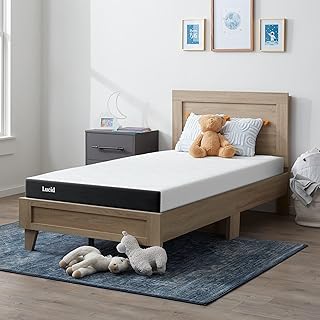 |
Lucid® 5" Firm Gel Memory Foam Mattress – Bamboo Charcoal & Cooling Gel – Fiberglass Free – Bed in a Box – CertiPUR-US® Certified – Twin Size |
$119.99 | (16,611) | View on Amazon |