How to Maintain Your RV Water System

Jake has spent 8 years full-timing in a Class A motorhome and has personally tested hundreds of RV products across North America. He is the lead gear reviewer at Shop RV Gear, covering solar setups, backup safety syst…
Why trust us
Every product featured on Shop RV Gear is researched by RV owners with real on-road experience. Our lead reviewer Jake Morris has full-timed for 8 years and personally tested gear across 40+ states. We earn a small commission on qualifying purchases — this never influences our picks.
🛠 What you'll need
-
 View on Amazon →Thetford Fresh Water Tank Sanitizer Detergent and Treatment, 2 x 24 oz Bottles - 36662$23.79
 -
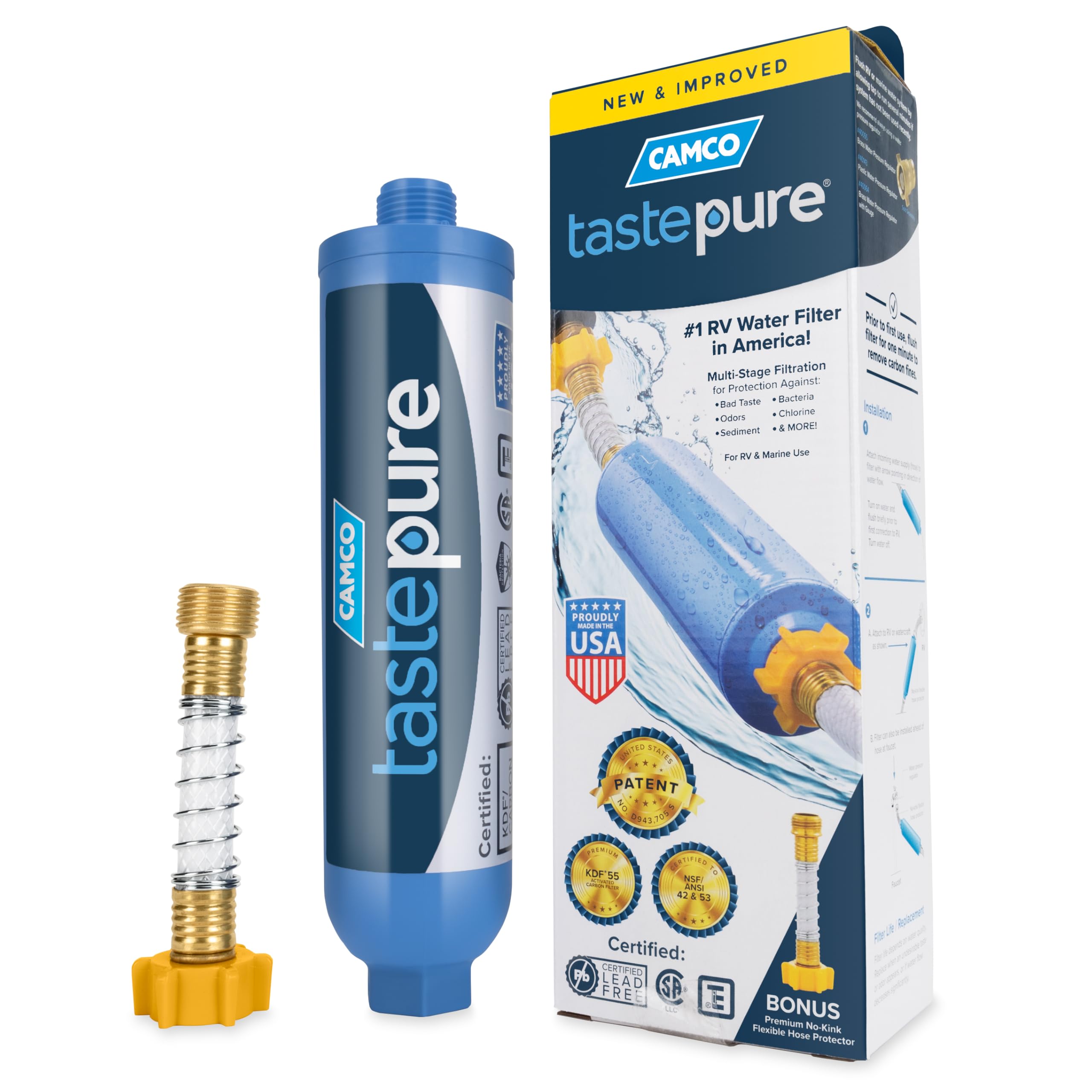 View on Amazon →Camco Tastepure RV Water Filter - Advanced RV Inline Water Filter with Flexible Hose Protector - GAC & KDF Filtration - Made in USA - Camping Essentials for Fresh Drinking Water (40043) Standard Filter$20.82
 -
 View on Amazon →RVGUARD RV Water Pressure Regulator Valve, CSA Approved, Lead-Free Brass Adjustable Water Pressure Reducer with Gauge and Inlet Screen Filter for RV Camper Travel Trailer$29.99
 -
 View on Amazon →STAR BRITE Aqua Water Tank & System Flush - Deep Cleans & Deodorizes Fresh Water Tanks & Entire Drinking Water System - Ideal for Boats & RVs Coming Out of Storage 1 GAL (032300)$36.68
 -
 View on Amazon →Camco TastePURE Drinking Water Freshener - Prevents Algae and Slime Build Up in Your Drinking Water Tank, Rids Odors and Bad Tastes 16 oz (40206)$6.38
How to Maintain Your RV Water System
Proper rv freshwater system maintenance is one of the smartest ways to protect your plumbing, improve water quality, and avoid expensive repairs. Whether you camp full-time or take weekend trips, your RV’s water system needs regular inspection, cleaning, and sanitizing to stay safe and dependable. In this Shop RV Gear guide, we’ll walk through the tools you need, the exact maintenance steps to follow, and the best products to make the job easier.
Side-by-Side Comparison Table
| Product Type | Best For | Key Benefit | Drawback | Best Pick Verdict |
|---|---|---|---|---|
| Adjustable water pressure regulator | Protecting plumbing at campgrounds | More precise pressure control | Costs more than basic models | Best overall for frequent travelers |
| Inline water filter |
Quick seasonal filtration | Easy to install and replace | Less robust than canister systems | Best for convenience |
| Canister filtration system | Better sediment and taste control | Higher filtration capacity | Takes more space and setup | Best for long trips/full-timers |
| RV tank sanitizer | Routine sanitizing | Made for potable systems | Extra recurring cost | Best bleach alternative |
| Brass hose fittings and washers kit | Leak prevention | Cheap, simple fix for common issues | Not a complete repair solution | Best budget maintenance item |
Key Takeaways
- Inspect your RV water system before every trip and deep-clean it at least every 6 months.
- Sanitize the freshwater tank and lines regularly, especially after storage.
- Replace worn hoses, leaking fittings, and old water filters before they cause bigger problems.
- Use a pressure regulator to protect plumbing from campground water pressure spikes.
- Drain and winterize properly if your RV will sit in freezing temperatures.
Why RV Water System Maintenance Matters
Your RV water system includes the freshwater tank, pump, hoses, faucets, water heater, low-point drains, and city water connection. When any part of that system is neglected, you can end up with:

- Bad-tasting or unsafe water
- Mold, bacteria, or algae growth
- Reduced water pressure
- Pump cycling issues
- Leaks and water damage
- Premature wear on filters, seals, and valves
Routine maintenance keeps water flowing cleanly and helps your system last longer.
Materials and Tools You’ll Need
Before you begin, gather these supplies:
- Drinking-water-safe RV hose
- Water pressure regulator
- Inline water filter or canister filter
- Household bleach or RV tank sanitizer
- Measuring cup
- Funnel
- Basic screwdriver and pliers
- Replacement hose washers and O-rings
- Clean bucket
- Soft cloths or paper towels
- Gloves and eye protection
Safety Tips Before You Start
- Turn off the water heater and let it cool before draining or flushing.
- Disconnect shore water and switch off the water pump before opening lines.
- Never use non-potable hoses for drinking water.
- Measure sanitizer carefully to avoid damaging components or leaving strong residue.
- If using bleach, flush thoroughly before drinking from the system.
Step-by-Step: How to Maintain Your RV Water System
1. Inspect the Entire System
Start with a visual inspection.
Check these areas:
- Freshwater hose for cracks, kinks, or discoloration
- City water inlet for leaks or damaged screens
- Water pump for loose fittings or unusual noise
- Faucets and shower heads for drips
- Under-sink plumbing for moisture or corrosion
- Water heater connections and bypass valves
- Low-point drains and tank drain caps
If you notice brittle washers, cracked fittings, or signs of leaking, replace them now.
2. Flush the Freshwater Tank
If your RV has been sitting, stale water may be in the tank.
- Turn off the pump and disconnect city water.
- Open the freshwater tank drain.
- Open faucets to help the tank empty faster.
- Drain low-point lines if equipped.
- Close drains once the tank is empty.
This removes old water and prepares the system for sanitizing.
3. Sanitize the Freshwater Tank and Plumbing Lines
Sanitizing is one of the most important parts of RV water care.
Standard Bleach Method
A common guideline is 1/4 cup of household bleach for every 15 gallons of tank capacity. Always confirm your RV manufacturer’s recommendations first.
Steps:
- Mix the bleach with water in a container first. Do not pour concentrated bleach directly into the tank.
- Add the solution to the freshwater tank using a funnel.
- Fill the tank with clean potable water.
- Turn on the water pump.
- Open each faucet, one at a time, until you smell bleach, then close it.
- Don’t forget the shower, toilet, and outside shower.
- Let the solution sit in the system for 4 to 12 hours.
- Drain the entire system.
- Refill with fresh water and flush all lines until the bleach smell is gone.
- Repeat the flush if needed.
When to Sanitize
Sanitize your system:
- At the start of the camping season
- After long-term storage
- If water smells musty
- If contamination is suspected
- Every 6 months for routine care
4. Check and Replace Water Filters
Filters improve taste and help reduce sediment, but they do not last forever.
What to Look For
- Reduced water flow
- Bad taste or odor
- Discoloration in the filter housing
- Manufacturer replacement interval reached
Replace inline filters as recommended, often every season or after a set number of gallons. If you use a canister filter, inspect the housing for cracks and lubricate O-rings with food-grade silicone if required.
5. Test Your Water Pressure Protection
Campground water pressure can vary widely. Too much pressure can damage RV plumbing.
- Connect a pressure regulator to the campground spigot.
- Attach your potable water hose.
- Turn on the water slowly.
- Watch for leaks and confirm normal flow inside the RV.
For most RVs, a regulator set around 40 to 50 PSI is a safe range, but always check your RV specs.
6. Service the Water Pump
Your 12V water pump should run smoothly and stop once pressure is reached.
Signs of trouble include:
- Constant cycling
- Sputtering faucets
- Weak pressure
- Loud vibration
Basic Pump Maintenance
- Clean the pump strainer if your setup has one.
- Tighten loose fittings.
- Check for air leaks on the inlet side.
- Inspect wiring connections.
- Run water through the system to confirm steady pressure.
If the pump still short-cycles after inspection, you may have a hidden leak or failing pump diaphragm.
7. Maintain the Water Heater
Your RV water heater also needs attention.
Routine Tasks
- Drain and flush sediment buildup
- Inspect the anode rod if your model uses one
- Replace the anode rod when heavily corroded
- Check the pressure relief valve for proper operation
- Inspect for rust, leaks, or mineral deposits
Sediment can reduce heating efficiency and shorten tank life.
8. Watch for Leaks During Operation
After cleaning and reassembly, pressurize the system.
- Fill the tank or connect city water.
- Turn on the pump if using tank water.
- Let pressure build.
- Listen for pump cycling when no water is being used.
- Check all visible fittings and compartments.
Even a slow drip can lead to major flooring or cabinet damage over time.
9. Winterize When Needed
If temperatures may drop below freezing, winterizing is essential.
Basic Winterizing Overview
- Drain the freshwater tank.
- Drain low-point lines.
- Bypass the water heater.
- Drain the water heater completely.
- Use RV antifreeze in the plumbing system, or blow out lines with compressed air if appropriate.
- Protect traps and drains.
Never use automotive antifreeze in an RV water system.
Best Products for RV Freshwater System Maintenance
Below is a practical buyer’s guide to common maintenance products RV owners use most.
Our Top Picks
1. Adjustable Water Pressure Regulator
Best for: Overall plumbing protection
Pros:
- Helps prevent burst lines and fitting leaks
- Better control than fixed-pressure units
- Ideal for varying campground hookups
Cons:
- More expensive than entry-level regulators
- Cheap models may have inconsistent readings
Verdict: If you buy only one water-system accessory, make it a quality pressure regulator.
2. Inline RV Water Filter
Best for: Fast, easy setup
Pros:
- Simple to connect between spigot and hose
- Improves taste and reduces sediment
- Great for weekend campers
Cons:
- Shorter service life than larger systems
- Limited filtration compared with multi-stage units
Verdict: A smart, low-effort upgrade for most RV owners.
3. Canister Water Filter System
Best for: Full-timers and extended stays
Pros:
- Better filtration performance
- Replaceable cartridges offer flexibility
- Useful in areas with poor water quality
Cons:
- Bulkier to store
- Higher upfront cost
Verdict: Best choice if water quality is a priority and you travel often.
4. RV-Safe Tank Sanitizer
Best for: Convenient sanitizing
Pros:
- Formulated for RV potable systems
- Easy to measure and use
- Often leaves less odor than bleach
Cons:
- Costs more than household bleach
- Availability varies by brand
Verdict: Worth considering if you sanitize often and want a purpose-built solution.
5. Hose Washer and Fittings Kit
Best for: Budget maintenance
Pros:
- Inexpensive and easy to store
- Fixes many minor drip issues quickly
- Useful for emergency repairs
Cons:
- Won’t solve cracked hoses or damaged valves
- Easy to overlook until needed
Verdict: Small investment, big convenience.
Which Option Is Best?
For most RV owners, the best maintenance combination is:
- Adjustable pressure regulator for protection
- Inline filter for simple water improvement
- Tank sanitizer or bleach routine for cleanliness
- Spare washers and fittings for quick leak fixes
If you travel full-time or spend weeks at a time on hookups, upgrade to a canister filtration system for better long-term performance.
Practical Maintenance Schedule
Before Every Trip
- Inspect hoses and connections
- Check for leaks
- Confirm regulator and filter are installed
- Run faucets and test pump operation
Every 3 to 6 Months
- Sanitize tank and lines
- Replace or inspect filters
- Clean pump strainer
- Flush the water heater
Annually
- Inspect anode rod
- Replace worn hoses or seals
- Check all visible plumbing connections
- Review winterizing and de-winterizing procedures
Common Mistakes to Avoid
- Using a garden hose instead of a drinking-water-safe hose
- Skipping sanitizing after storage
- Ignoring small leaks under sinks or in utility bays
- Running without a pressure regulator on city water
- Forgetting to flush bleach completely from the system
- Leaving water in lines during freezing weather
FAQ
1. How often should I sanitize my RV freshwater system?
At minimum, every 6 months. You should also sanitize after long storage, after buying a used RV, or anytime the water develops an odor or unusual taste.
2. Can I use regular household bleach in my RV freshwater tank?
Yes, in the correct diluted amount, unless your manufacturer recommends otherwise. Never pour concentrated bleach directly into the tank, and always flush thoroughly afterward.
3. Why does my RV water pump keep turning on by itself?
This usually points to a pressure loss in the system. Common causes include a small leak, loose fitting, faulty check valve, or pump issue.
Final Thoughts
Consistent rv freshwater system maintenance keeps your water safer, your plumbing more reliable, and your camping experience far less stressful. A simple routine of inspection, sanitizing, filter replacement, and pressure protection goes a long way. At Shop RV Gear, we recommend building a small water-system maintenance kit and sticking to a schedule so small problems never turn into major repairs.