
How to Detail Your RV Inside and Out: Complete Guide

Jake has spent 8 years full-timing in a Class A motorhome and has personally tested hundreds of RV products across North America. He is the lead gear reviewer at Shop RV Gear, covering solar setups, backup safety syst…
Why trust us
Every product featured on Shop RV Gear is researched by RV owners with real on-road experience. Our lead reviewer Jake Morris has full-timed for 8 years and personally tested gear across 40+ states. We earn a small commission on qualifying purchases — this never influences our picks.
Short answer: To detail your RV inside and out, start on the roof, then wash the sides and slide‑outs, clean wheels and trim, apply a wax or sealant, and finish with a room‑by‑room interior deep clean (dusting high to low, vacuuming, fabric and hard‑surface cleaning, then glass). Use RV‑safe soaps, a soft‑bristle brush, microfiber towels, and a spray or liquid wax designed for fiberglass/gelcoat, plus a separate set of tools and cleaners for the interior.[2][4][7] Repeat a full detail at least once per season, or more often if you camp in harsh sun, salty air, or dusty conditions.[6]
Below is a practical, no‑nonsense guide with specific tools, products to consider, what to skip, and how to build a routine you can repeat every trip.

Exterior Detailing: Step‑by‑Step
Always work top to bottom: roof → sides & slide‑outs → wheels & tires → trim & decals → glass → wax/sealant.[2][4][7]
1. Prep: Inspect and Rinse
Inspect the RV
- Check roof, seams, and around windows for cracked caulking, loose trim, or damage.
- Note any black streaks, heavy bug buildup, or oxidized (chalky) gelcoat.[1][6]
Pre‑rinse from the top down

- If allowed at your location, thoroughly hose or pressure‑wash the RV, starting at the roof.
- Keep pressure moderate—avoid blasting seals, vents, and window edges.[6]
2. Clean the Roof First
Roofs collect the most grime and drip it down your walls when it rains.
- Identify your roof type (rubber/EPDM, TPO, fiberglass, aluminum) and choose a compatible cleaner.[2][5]
- Wet the roof with a hose or gentle pressure washer.[4]
- Apply RV roof cleaner or mild soap and agitate with a soft‑bristle brush on a pole.[2][4]
- Work in sections so cleaner doesn’t dry.
- Rinse thoroughly, making sure runoff doesn’t soak open windows or vents.
Tip: While you’re up there, wipe the tops of slide‑outs and awning hardware—these are mold and leaf traps.[4]
3. Wash the Sides and Slide‑Outs
Set up a two‑bucket system
- Bucket 1: soap + water.
- Bucket 2: clean water for rinsing your brush/mitt.
Pre‑soak a section
- Use a foam cannon if you have one, or just soap and a hose to wet the panel.[2][4]
Scrub from top to bottom
- Use a soft RV brush on a pole for main wall panels.
- Use a mitt for more delicate or heavily decorated areas.
- Do one section at a time so soap doesn’t dry and cause spotting.[4]
Rinse each section before moving on
- Keep surfaces wet; if soap starts to dry, re‑wet and rinse again.[4]
Clean slide‑outs
- Extend slide‑outs (if safe and level).
- Wash the sides, tops, and seals gently and rinse well.[2][4]
4. Deal With Black Streaks, Bugs, and Tough Grime
- Black streaks: Use a dedicated black streak remover or a diluted all‑purpose cleaner on stubborn areas; rinse promptly.[2]
- Bug splatter: Use a bug remover on the front cap and mirrors; let it dwell briefly, then wipe with a mitt and rinse.[7]
- Rust or water spots on glass: Use a water spot remover if needed, then follow with a glass cleaner.[4]
Always test specialty cleaners in a small area first to ensure they don’t dull decals or oxidized surfaces.[6]
5. Clean Wheels, Tires, and Wheel Wells
Save this for after the main wash so you don’t sling grime onto clean walls.
- Spray wheels and tires with a wheel/tire cleaner.
- Agitate with a wheel brush or sponge to remove brake dust and road film.[3]
- Rinse thoroughly.
- Once dry, apply a UV‑protectant tire dressing (satin, not greasy) to prevent cracking and fading.[2]
Avoid strong acids on RV wheels; most are coated and can stain or peel with harsh products.[6]
6. Dry the Exterior
- Use large microfiber drying towels to gently blot and drag water off panels.
- For tall rigs, a squeegee or water blade on a pole can help—just ensure surfaces are clean to avoid scratching.
Drying before waxing reduces water spots and makes wax/sealant spread more evenly.[4][7]
7. Wax or Seal the RV
This is what keeps it shiny and protects from UV.
Choosing Wax vs Sealant
| Type | Best For | Pros | Cons |
|---|---|---|---|
| Spray wax | Quick maintenance | Fast, easy, can be used after each wash[4] | Shorter protection (weeks to a couple months) |
| Liquid wax | Seasonal detail | Better gloss, solid protection | More time consuming than spray |
| Polymer sealant | Long‑term protection | Longest‑lasting, strong UV protection[1][7] | More prep, needs full cure time |
How to Apply (Spray or Liquid)
- Make sure the RV is clean, dry, and cool to the touch.[1][7]
- Work in the shade if possible.
- Spray or apply a small amount of product onto a microfiber applicator or towel.
- Apply in small sections, using overlapping passes.
- If using a sealant, follow cure times (often 15–30 minutes before buffing off).[3][7]
- Buff with a clean microfiber towel until streak‑free.[3]
Avoid paste wax on tall RVs—it’s not worth the effort, and spray or liquid products designed for RVs and boats hold up well.[4][7]
8. Clean Exterior Glass, Mirrors, and Cameras
- Use a glass cleaner on windows and mirrors.[4]
- Wipe with a lint‑free microfiber in straight lines to prevent streaks.
- Gently wipe backup cameras and side‑view cameras with a damp microfiber, then dry.
How Often Should You Detail Your RV?
- Exterior wash: Every 4–8 weeks during camping season, or after any salty, muddy, or pollen‑heavy trip.[6][7]
- Wax / sealant: Every 3–6 months depending on climate, storage, and product used.[1][7]
- Interior wipe‑down and vacuum: After every trip.
- Full interior deep clean: At least twice a year, or after long boondocking trips.
If your RV is stored outside in strong sun or near the coast, shorten all those timelines.
Gear Checklist: What You Actually Need (and What to Skip)
You can detail an RV with a few well‑chosen tools. Skip the over‑hyped gadgets and stick to things that save time on big surfaces.
Exterior Essentials
- Soft‑bristle RV brush with extension pole (e.g., Camco Wash Brush)
- Wash mitts (microfiber or lambswool) for delicate areas
- 2–3 buckets (wash, rinse, wheels)
- RV‑safe wash soap (pH‑balanced, no harsh degreasers)[2][7]
- Foam cannon (optional but nice if you have a pressure washer)[4]
- Microfiber drying towels or a silicone water blade (used carefully)
- RV / marine wax or sealant (spray or liquid, not paste on tall rigs)[4][7]
- Tire & wheel cleaner and tire dressing (non‑sling, UV‑protectant)[2]
- Plastic/rubber trim protectant (UV protection for seals and trim)[2]
Interior Essentials
- Vacuum with hose and crevice tools (shop vac, stick, or compact canister)
- Microfiber cloths (lots of them)
- All‑purpose cleaner safe for RV surfaces
- Bathroom‑safe cleaner (RV shower, plastic, fiberglass)
- Glass cleaner (for windows and mirrors)[4]
- Upholstery / carpet cleaner (spray + brush, or a small carpet extractor)
- Disinfecting wipes or spray for high‑touch areas
What to Skip (or Be Very Careful With)
- Household bleach on exterior – can damage decals, sealants, and some roof materials.[2]
- Harsh degreasers – can strip wax and dry out rubber.
- Abrasive scrub pads – they scratch gelcoat, acrylic windows, and clear coats.[6]
- Paste wax on a big RV – too slow and hard to remove on tall walls; use liquid or spray wax instead.[4]
Interior Detailing: Room‑by‑Room
The key inside is to work top to bottom, dry to wet: dust first, vacuum, then go after stains and hard surfaces.
General Interior Game Plan
Declutter
- Remove trash, laundry, extra gear, and rugs.
Dust high surfaces
- Start with ceiling corners, vents, AC shroud, and upper cabinets.
Vacuum everything
- Floors, under cushions, under the dinette, around slide‑tracks.
Wipe hard surfaces
- Counters, cabinets, doors, table, nightstands, trim.
Spot‑clean fabrics
- Upholstery, curtains, mattress edges.
Finish with glass and mirrors
1. Kitchen / Galley
Appliances
- Wipe the fridge, microwave, stove/oven, and range hood with an all‑purpose cleaner.
- For burned‑on stove residue, use a non‑scratch pad—no steel wool.
Counters and backsplash
- Use a kitchen‑safe cleaner; avoid abrasive powders on laminate or solid surface.
Cabinet fronts and hardware
- Wipe down handles, pulls, and fronts—these collect oils and dust.
Sink and faucet
- Clean with a mild bathroom or kitchen cleaner; rinse dry to avoid water spots.
2. Bathroom
Shower and walls
- Use an RV‑safe bathroom cleaner on fiberglass or plastic walls.[2]
- Scrub caulk lines and corners where mildew forms.
Toilet
- Use a non‑abrasive RV toilet cleaner safe for plastic/seals; avoid harsh household bowl acids.
Sink, faucet, and counter
- Clean, then dry to prevent mineral spots.
Vent fan and ceiling
- Dust, then wipe the fan cover and nearby ceiling.
Floor
- Vacuum, then mop with a lightly damp microfiber.
3. Living Area & Dinette
Dust and wipe
- Cabinet faces, TV, window valances, and trim.
Seating
- Vacuum cushions thoroughly.
- Spot‑treat fabric with an upholstery cleaner; test in a hidden area first.
- For faux leather, use a mild cleaner and follow with a conditioner if needed.
Table and surfaces
- Wipe with an all‑purpose cleaner; watch for seam edges where crumbs collect.
Flooring
- Vacuum thoroughly.
- Mop vinyl or laminate floors with a damp (not wet) mop.
4. Bedroom
Mattress and bedding
- Strip the bed; wash bedding.
- Vacuum the mattress top and sides.
Under‑bed storage
- Vacuum and wipe any exposed surfaces, especially if you store shoes or gear there.
Nightstands, shelves, and closets
- Wipe surfaces and door fronts.
Windows and shades
- Dust blinds or shade rollers.
- Spot‑clean fabric shades with a gentle fabric cleaner if needed.
5. Interior Glass, Mirrors, and Screens
- Use a glass cleaner on mirrors and interior glass.
- For screens, vacuum lightly with a brush tool, then wipe the frame.
Pro Tips: Protecting Surfaces and Extending Time Between Details
Use a UV protectant on:
- Exterior plastic trim and seals to reduce fading and cracking.[2]
- Interior vinyl and rubber (dash, trim) to prevent drying.
Ventilation after cleaning
- Open windows and roof vents to speed drying and reduce chemical smell.
Floor mats at every door
- Use an outdoor mat and an indoor mat to keep sand and mud out of the interior.
Quick‑wash routine between big details
- Rinse bugs and fresh dirt off the front cap and lower panels after each trip.
- Run a spray wax on the lower half and front cap to keep them slick and easier to clean next time.[4]
Common Mistakes to Avoid
- Starting with the sides instead of the roof – roof grime will just streak your fresh walls.[2][4]
- Letting soap dry on the RV – leads to water spots and film; work in small sections and keep it wet.[4]
- Using one bucket for everything – you’ll grind dirt into the surface and add swirl marks.
- Over‑pressuring seals and decals – high PSI too close can lift sealant or graphics.[6]
- Ignoring slide‑top and awning hardware – this is where algae and debris start and then run down your walls.[2][4]
Quick Seasonal RV Detailing Checklist
Use this as a repeatable template:
- Inspect roof, seams, and decals.
- Clean roof and slide‑tops.
- Wash sides and slide‑outs (top to bottom).
- Clean wheels, tires, and wheel wells.
- Dry thoroughly.
- Apply wax or sealant.
- Clean exterior glass, mirrors, cameras, and lights.
- Declutter interior.
- Dust top surfaces and vents.
- Vacuum floors, cushions, and under furniture.
- Clean kitchen (appliances, counters, cabinets).
- Clean bathroom (shower, toilet, sink, vent, floor).
- Clean living area and bedroom (surfaces, fabrics, windows).
- Finish with interior glass and mirrors.
Frequently Asked Questions
How long does it take to detail an RV?
For a typical 25–35 ft RV, plan on 4–8 hours for a full DIY detail (exterior wash, wax, and full interior). Larger rigs or heavily oxidized exteriors can push that to a full weekend, especially if you’re compounding or polishing.[1][6]
Can I use regular car wash soap on my RV?
You can use many pH‑balanced car wash soaps safely on RVs, especially fiberglass and painted surfaces.[7] Avoid harsh detergents, strong degreasers, and products that specifically warn against use on gelcoat, decals, or rubber roofs.[2]
Do I really need to wax my RV?
Wax or sealant is what protects your gelcoat and decals from UV damage and oxidation, and it makes washing faster and easier because dirt doesn’t stick as well.[1][6][7] You do not have to wax monthly, but applying a good spray wax after washes and a more durable wax or sealant 2–4 times per year is a smart compromise.
Should I use a pressure washer on my RV?
Yes, but with moderate pressure and distance and never directly at seals, vents, or decals.[6] Many pros use pressure washers with wide‑angle tips and stay a safe distance away to rinse and pre‑wash, then do the main cleaning with a soft brush or mitt.
What’s the best order to clean the inside of my RV?
Work top to bottom and dry to wet: declutter, dust upper areas and vents, vacuum floors and soft surfaces, wipe hard surfaces, clean kitchen and bath, then finish with glass and mirrors. This keeps you from re‑dirtying cleaned areas with falling dust and debris.
Top Picks & Comparison
| # | Product | Price | Rating | ||
|---|---|---|---|---|---|
| #1 |  |
EVERSPROUT 5-to-12 Ft Car Brush with Rubber Bumper, Lightweight Extension Pole Handle, Soft Bristles Car Wash Brush, RV Wash Brush, Truck Wash Brush, Boat Brush, Solar Panel Cleaning Brush and Pole |
$59.99 | (4,499) | View on Amazon |
| #2 |  |
Meguiar's Marine & RV Hybrid Ceramic All Surface Sealant - Premium Fiberglass and Gel Coat Sealant that Boosts Gloss, Beading & Protection from UV Damage - Easy to Apply and Wipe Off – 32 Oz Spray |
$16.95 | (301) | View on Amazon |
| #3 | 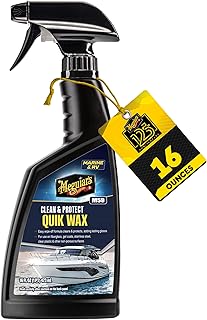 |
Meguiar’s Marine & Rv Quik Wax, Marine Wax, Boat Wax, Cleans And Protects, Removes Water Spots And Light Contaminants; Use On Gel Coat, Fiberglass And Painted Marine/Rv Finishes - 16 Oz Bottles |
$10.87 | (993) | View on Amazon |
| #4 |  |
Chemical Guys Total Interior Cleaner and Protectant, 16 Fl Oz + 3 Pack of Microfiber Towels (Safe for Cars, Trucks, SUVs, Jeeps, Motorcycles, RVs & More) |
$19.99 | (1,702) | View on Amazon |