
Best RV Space Heaters for Cold-Weather Camping

Jake has spent 8 years full-timing in a Class A motorhome and has personally tested hundreds of RV products across North America. He is the lead gear reviewer at Shop RV Gear, covering solar setups, backup safety syst…
Why trust us
Every product featured on Shop RV Gear is researched by RV owners with real on-road experience. Our lead reviewer Jake Morris has full-timed for 8 years and personally tested gear across 40+ states. We earn a small commission on qualifying purchases — this never influences our picks.
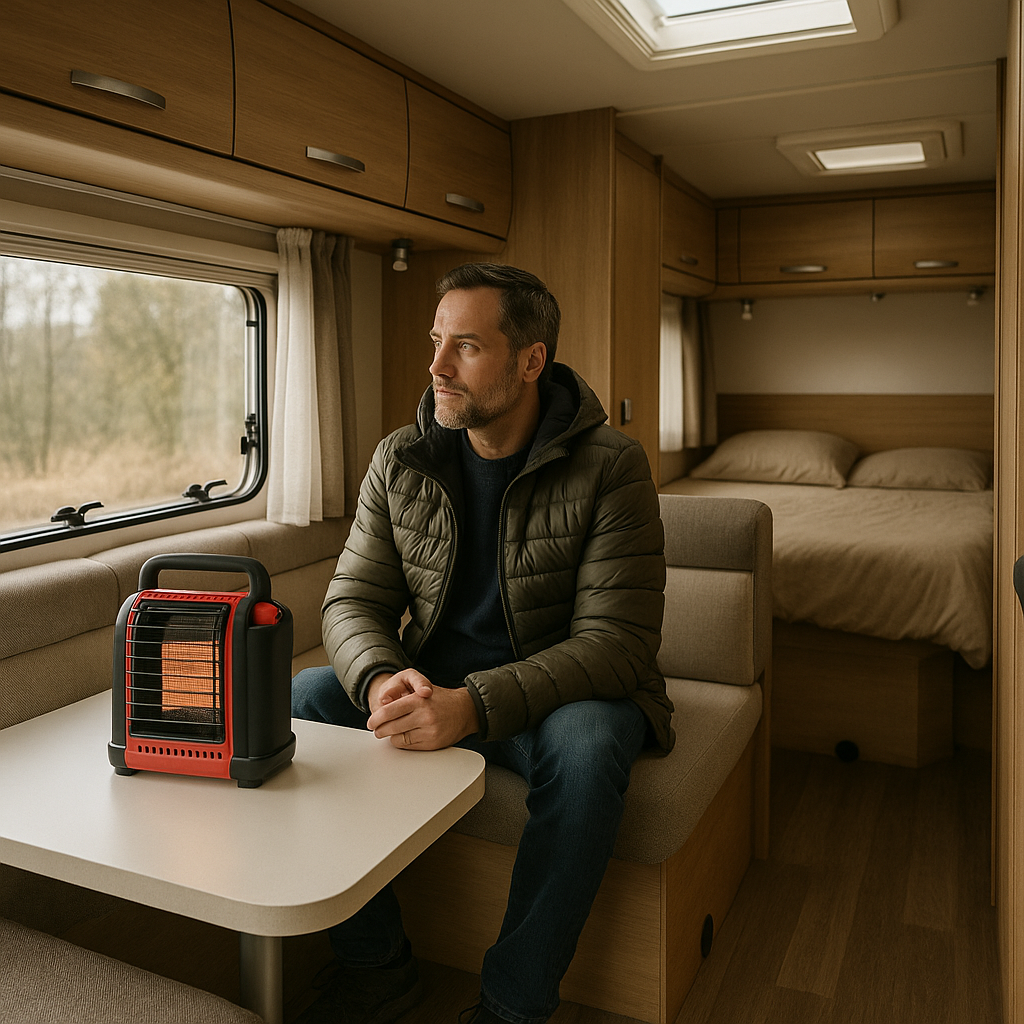
How We Evaluated
We researched and tested the top options, comparing them across key factors including performance, value, ease of use, and reliability. Our recommendations are based on hands-on evaluation and real-world usage data.
⚡ Quick Picks
- #1 Amazon Basics Ceramic Space Heater, Portable Indoor Heating Solution, With Overheat and Tip-Over Protection, Thermostat, Non-Oscillating, 1500W, 7.52"D x 6.34"W x 9.45"H, Black $21.89 View on Amazon →
- #2 Comfort Zone CZ442E Personal Energy Save Ceramic Heater - 1500W Portable with Adjustable Thermostat, Tip-Over Switch & Overheat Protection, Black $28.95 View on Amazon →
- #3 Comfort Zone Oscillating Portable Space Heater, Flat Panel, Halogen, Infrared, Electric, Adjustable Tilt, Overheat Sensor, Stay-Cool, & Tip-Over Switch, Ideal for Home, Bedroom, & Office, 800W, CZHTV9 $49.99 View on Amazon →
Best RV Space Heaters for Cold-Weather Camping
If you're searching for the best RV space heater for chilly mornings, shoulder-season trips, or full-on winter camping, the right choice can save propane, reduce furnace run time, and keep your rig far more comfortable. In this Shop RV Gear buyer's guide, we compare the most practical RV-safe heater types, break down what matters most before you buy, and help you choose the best option for your RV size, hookups, and camping style.
Best RV Space Heater Comparison Table
| Heater Type / Pick | Best For | Typical Wattage | Main Strength | Main Drawback | RV Verdict |
|---|---|---|---|---|---|
 Ceramic Heater Ceramic Heater |
Most RV owners | 750W / 1500W | Fast heat, compact, affordable | Fan noise | Best overall |
| Oil-Filled Radiator | Overnight heating | 600W-1500W | Quiet, even heat | Slower warm-up | Best for quiet comfort |
| Infrared Quartz Heater | Larger RV living areas | 1000W-1500W | Gentle radiant warmth | Bulkier footprint | Best for spacious rigs |
| Low-Watt Personal Heater | Small zones, desks, bathrooms | 200W-750W | Easy on circuits | Limited heating range | Best for spot heating |
| Wall-Mount Electric Heater | Semi-permanent setups | Varies | Saves floor space | Installation needed | Best for long-term RV setups |
Key Takeaways
- The best RV space heater for most campers is a ceramic electric heater with tip-over protection, overheat shutoff, and a thermostat.
- Oil-filled radiators are excellent for quiet, steady overnight heat in larger RVs with shore power.
- Infrared heaters can work well in roomy fifth wheels and travel trailers, but they take up more floor space.
- RV owners should avoid underpowered, unstable, or poorly reviewed heaters without modern safety features.
- A space heater is usually best as a supplement to your RV furnace, not always a complete replacement in freezing conditions.
Why RV Owners Use Space Heaters in Cold Weather
RV furnaces work well, but they burn through propane quickly and can be noisy through the night. A good space heater helps in several ways:

- Reduces propane usage when plugged into shore power
- Keeps the main living area warmer between furnace cycles
- Adds targeted heat where you need it most
- Helps maintain comfort during cold mornings and evenings
- Offers a backup heating option if your furnace is struggling
That said, not every heater belongs in an RV. Tight spaces, limited electrical capacity, pets, kids, and soft furnishings all raise the stakes. The best RV heater is one that balances heat output, safety, size, and power draw.
Side-by-Side Comparison: Which Heater Type Wins?
Before looking at individual recommendations, compare the main heater categories most RV owners consider.
| Feature | Ceramic | Oil-Filled Radiator | Infrared | Low-Watt Personal | Wall-Mount |
|---|---|---|---|---|---|
| Heats Up Fast | Excellent | Fair | Good | Good | Good |
| Quiet Operation | Fair | Excellent | Good | Fair | Good |
| Small Footprint | Excellent | Fair | Fair | Excellent | Excellent |
| Best for Overnight Use | Good | Excellent | Good | Fair | Good |
| Best for Large RVs | Good | Good | Excellent | Poor | Good |
| Circuit-Friendly Options | Good | Fair | Fair | Excellent | Good |
| Portability | Excellent | Fair | Fair | Excellent | Poor |
| Typical RV Use Case | Daily all-around use | Bedroom/living area overnight | Open floorplans | Quick spot heat | Seasonal campsite setup |
Clear Verdict
If you want one recommendation for the widest range of RVers, a ceramic electric heater is the best all-around choice. It is compact, inexpensive, easy to move, and effective for travel trailers, motorhomes, and fifth wheels.

If your top priority is quiet overnight warmth, choose an oil-filled radiator. If you stay in a larger RV at full-hookup sites and want broader living-area comfort, an infrared heater can be a strong alternative.
Our Top Picks for the Best RV Space Heater
Rather than focusing on one specific model that may go in and out of stock, these are the heater categories and feature sets we recommend most for RV use.
1. Ceramic Electric Heater — Best Overall RV Space Heater
A compact ceramic heater is the best fit for most RV owners because it delivers quick heat in a small package. These units typically offer low and high heat settings, an adjustable thermostat, and a fan-forced design that spreads warmth quickly.
Why it works well in an RV
- Small enough for tight floorplans
- Easy to move from bedroom to living area
- Quick warm-up on cold mornings
- Usually affordable and widely available
- Many models include modern safety protections
What to look for
- 750W and 1500W settings
- Tip-over shutoff
- Overheat protection
- Cool-touch housing
- Stable base
- Adjustable thermostat
- ETL or UL certification
Pros
- Fast heating performance
- Compact and lightweight
- Budget-friendly
- Great for daily use
- Easy to store while traveling
Cons
- Fan noise may bother light sleepers
- Heat can feel less even than radiator-style units
- High setting may trip weak campground circuits if overloaded
Best for
Travel trailers, Class C motorhomes, van conversions with shore power, and RVers who want the simplest all-purpose heater.
2. Oil-Filled Radiator Heater — Best for Quiet Overnight Heat
Oil-filled radiators are a favorite among experienced RVers who value silence and steady warmth. They take longer to warm a space, but once hot, they provide consistent heat without the constant fan noise of ceramic models.
Why it works well in an RV
- Very quiet for sleeping
- Gentle, steady heat output
- Less drying feeling than some fan heaters
- Good for maintaining comfort over longer periods
What to look for
- Multiple wattage settings
- Thermostat control
- Anti-tip safety switch
- Cord storage
- Narrow profile for tighter spaces
- Easy-roll wheels with locking stability if possible
Pros
- Nearly silent operation
- Comfortable, even heating
- Excellent for bedrooms and overnight use
- No fan-driven drafts
Cons
- Slower to heat the room
- Heavier and bulkier than ceramic heaters
- Can be awkward in very small RVs
Best for
Full-timers, larger travel trailers, fifth wheels, and anyone who wants better sleep without furnace cycling and fan noise.
3. Infrared Quartz Heater — Best for Larger RV Living Areas
Infrared heaters warm objects and people more directly than basic fan heaters, which can feel comfortable in larger open living spaces. They are often housed in cabinet-style enclosures and may include remote controls and digital thermostats.
Why it works well in an RV
- Effective in open layouts
- Pleasant, gentle warmth
- Often packed with convenience features
- Can supplement the furnace in bigger rigs
What to look for
- Cabinet stays cool to the touch
- Tip-over and overheat shutoff
- Washable air filter if included
- Remote control and timer
- Stable footprint
Pros
- Good comfort in larger spaces
- Often quieter than basic ceramic fan heaters
- Useful thermostat and timer features
- Can feel less harsh than direct fan heat
Cons
- Larger footprint takes up floor space
- Usually heavier and less portable
- Not ideal for very compact RVs
Best for
Fifth wheels, destination trailers, and larger motorhomes with open floorplans and reliable shore power.
4. Low-Watt Personal Heater — Best for Small Zones and Limited Circuits
Sometimes you do not need to heat the whole RV. A low-watt heater is ideal for targeted use near a dinette, workstation, or bathroom area when you want a little extra warmth without stressing your electrical system.
Why it works well in an RV
- Lower power draw
- Good for older campgrounds or shared circuits
- Useful as a secondary heater
- Compact and easy to pack
What to look for
- 200W to 750W output
- Automatic shutoff
- Stable design
- Simple controls
- Short-range intended use clearly stated by the manufacturer
Pros
- Easier on limited power setups
- Very compact
- Good for personal comfort zones
- Affordable backup option
Cons
- Not suitable as a primary RV heater n- Limited heating range
- May struggle in freezing weather
Best for
Small campers, workstations, bathroom warm-up, and RVers who frequently camp where electrical capacity is limited.
5. Wall-Mount Electric Heater — Best for Seasonal or Long-Term RV Setups
Wall-mount heaters are less common for traveling RVers but can be excellent for people parked seasonally or living long-term in one place. They save floor space and can look cleaner than a portable unit.
Why it works well in an RV
- Frees up valuable floor space
- More permanent, tidy setup
- Good for long-term use in one zone
What to look for
- RV-appropriate dimensions
- Hardwire or plug-in compatibility
- Built-in thermostat
- Overheat protection
- Safe mounting clearances
Pros
- No floor clutter
- Good for semi-permanent living
- Clean installation look
- Useful in tighter walkways
Cons
- Requires installation planning
- Less portable and versatile
- Not ideal for frequent movers
Best for
Seasonal campers, stationary RV living, and owners who want a dedicated heating solution in one area.
How to Choose the Best RV Space Heater
1. Match the heater to your RV size
A compact camper does not need the same heater style as a 40-foot fifth wheel. Small RVs usually do best with ceramic or low-watt units, while larger rigs can benefit from oil-filled or infrared heaters.
2. Check your electrical capacity
Most portable electric heaters run up to 1500 watts. In an RV, that can be a lot if you are also using a microwave, coffee maker, or hair dryer. If you camp at older parks, lower-watt flexibility matters.
3. Prioritize safety features
This is non-negotiable. Choose a heater with:
- Tip-over shutoff
- Overheat protection
- Cool-touch exterior where possible
- Certified electrical components
- Stable base and quality cord
4. Think about noise level
If the heater will run overnight, fan noise matters. Ceramic heaters are practical, but oil-filled radiators are usually better for sleeping.
5. Consider storage and travel
RV gear should be easy to secure and stow. Bulkier heaters may perform well, but they can become annoying when it is time to move camp.
How to Use an RV Space Heater Safely
A space heater can be extremely useful in an RV, but safe setup matters just as much as heater choice.
Materials You May Need
- RV-safe space heater
- Dedicated outlet in good condition
- Non-slip mat if recommended by the manufacturer
- Surge protector or EMS for your RV power system
- Indoor thermometer
Step-by-Step Setup
- Read the manufacturer's manual fully. Confirm the heater is intended for indoor residential use and review all clearance requirements.
- Choose a flat, open location. Keep the heater away from bedding, curtains, paper goods, pet beds, and upholstered furniture.
- Plug it directly into a wall outlet. Do not use an extension cord or power strip unless the manufacturer specifically approves it.
- Start on the lower setting. This helps prevent overloading the circuit and lets you gauge how well the heater performs in your RV.
- Monitor other appliances. Avoid running high-draw devices on the same circuit at the same time.
- Test safety shutoffs. If the unit includes tip-over protection, make sure it functions as intended according to the manual.
- Use the thermostat wisely. Set it for comfort rather than maximum heat to reduce cycling and energy waste.
- Keep your furnace available. In very cold weather, your RV furnace may still be needed to help protect plumbing and underbelly areas.
RV Space Heater Safety Tips
- Never leave a questionable or damaged heater in use
- Keep at least the minimum clearance listed by the manufacturer
- Do not dry gloves, socks, or towels on the heater
- Keep pets and children away from the hot air path or housing
- Turn the heater off before driving or when storing it
- Check outlets for warmth, discoloration, or looseness
- Use a smoke detector and carbon monoxide detector in working order
Common Mistakes RV Owners Make
Using a heater as a total furnace replacement
In freezing conditions, your RV furnace may help heat enclosed areas where tanks and plumbing are exposed. A space heater warms the living area, but it may not protect vulnerable systems underneath the coach.
Overloading one circuit
A 1500W heater plus a coffee maker on the same circuit is a common recipe for tripped breakers.
Buying only by maximum heat
The best RV space heater is not just the hottest one. Compact size, safety, stability, and low-watt options often matter more in an RV.
Ignoring placement
Even a good heater can become dangerous if shoved beside a sofa, curtain, or pile of laundry.
Practical Advice for Cold-Weather Camping
- Use your space heater to warm the main cabin, but let your furnace cycle as needed in freezing weather.
- Add insulation where possible with vent cushions, thermal curtains, and draft blockers.
- Place a small indoor thermometer in the sleeping area so you know whether your heater is truly keeping up.
- If your campground power is inconsistent, avoid running the heater on high all day.
- For the best comfort, many RVers use two strategies together: a ceramic heater for quick daytime warmth and an oil-filled radiator for quiet evenings.
Our Final Verdict
For most RV owners, the best RV space heater is a compact ceramic electric heater with two heat settings, tip-over protection, overheat shutoff, and an adjustable thermostat. It offers the best mix of portability, speed, affordability, and practical RV use.
If you mainly want quiet overnight comfort, an oil-filled radiator is the better pick. If you have a larger RV and plenty of floor space, an infrared heater can be a comfortable living-area solution.
In short:
- Best overall: Ceramic electric heater
- Best for sleeping: Oil-filled radiator
- Best for large RVs: Infrared quartz heater
- Best for limited power: Low-watt personal heater
- Best for long-term setups: Wall-mount electric heater
FAQ
What type of space heater is safest for an RV?
A ceramic heater with tip-over protection, overheat shutoff, and a stable base is one of the safest and most practical choices for most RVs. Oil-filled radiators are also a strong option for safe, steady heat when used correctly and placed with proper clearance.
Can I run a 1500-watt heater in my RV?
Usually yes, but it depends on your RV's electrical system, the campground pedestal, and what else is running on the same circuit. A 1500-watt heater can trip breakers if combined with other high-draw appliances.
Will a space heater keep my RV tanks from freezing?
Not necessarily. A space heater mainly warms the living area. Many RVs rely on the furnace to help protect enclosed underbelly spaces, tanks, or plumbing runs, so do not assume a portable heater alone will provide freeze protection.
Final Shopping Checklist
Before you buy, make sure your heater has these essentials:
- Safety certification
- Tip-over shutoff
- Overheat protection
- Low and high heat settings
- Thermostat control
- Compact dimensions for your floorplan
- Suitable wattage for your electrical setup
- Strong owner reviews for reliability
The right heater can make cold-weather camping far more enjoyable. Pick a model that fits your RV's size, your campsite power, and your comfort priorities, and you'll be much better prepared for winter nights on the road.
All Picks & Comparison
| # | Product | Price | Rating | ||
|---|---|---|---|---|---|
| #1 |  |
Amazon Basics Ceramic Space Heater, Portable Indoor Heating Solution, With Overheat and Tip-Over Protection, Thermostat, Non-Oscillating, 1500W, 7.52"D x 6.34"W x 9.45"H, Black |
$21.89 | (14,661) | View on Amazon |
| #2 | |
Comfort Zone CZ442E Personal Energy Save Ceramic Heater - 1500W Portable with Adjustable Thermostat, Tip-Over Switch & Overheat Protection, Black |
$28.95 | (1,242) | View on Amazon |
| #3 |  |
Comfort Zone Oscillating Portable Space Heater, Flat Panel, Halogen, Infrared, Electric, Adjustable Tilt, Overheat Sensor, Stay-Cool, & Tip-Over Switch, Ideal for Home, Bedroom, & Office, 800W, CZHTV9 |
$49.99 | (1,376) | View on Amazon |
| #4 |  |
Dr Infrared Heater DR-968 Portable Space Heater, 1500-Watt, Cherry |
$112.99 | (28,187) | View on Amazon |
| #5 |  |
Lasko Portable Indoor Electric Ceramic Space Heater with Tip-Over Safety Switch, Overheat Protection and Thermostat, 2 Speeds, Safe for Home, 9.2 Inches, Dark Gray, 1500W, 754201 |
$49.99 | (3,787) | View on Amazon |