
Best Composting Toilets for RVs

Jake has spent 8 years full-timing in a Class A motorhome and has personally tested hundreds of RV products across North America. He is the lead gear reviewer at Shop RV Gear, covering solar setups, backup safety syst…
Why trust us
Every product featured on Shop RV Gear is researched by RV owners with real on-road experience. Our lead reviewer Jake Morris has full-timed for 8 years and personally tested gear across 40+ states. We earn a small commission on qualifying purchases — this never influences our picks.
How We Evaluated
We researched and tested the top options, comparing them across key factors including performance, value, ease of use, and reliability. Our recommendations are based on hands-on evaluation and real-world usage data.
⚡ Quick Picks
- #1 Nature's Head Self Contained Composting Toilet with Close Quarters Spider Handle Design $1,035.00 View on Amazon →
- #2 Separett Villa Urine-Separating Compost Toilet | No Additives or Mixing Needed, High-Capacity Design, For Homestead, For Schoolie, For Cottage Use $989.00 View on Amazon →
- #3 TROBOLO WandaGO Composting Toilet, Portable Outdoor Camping Toilet, Urine Diverting Dry Toilet With Height Adjustment $249.00 View on Amazon →
Best Composting Toilets for RVs
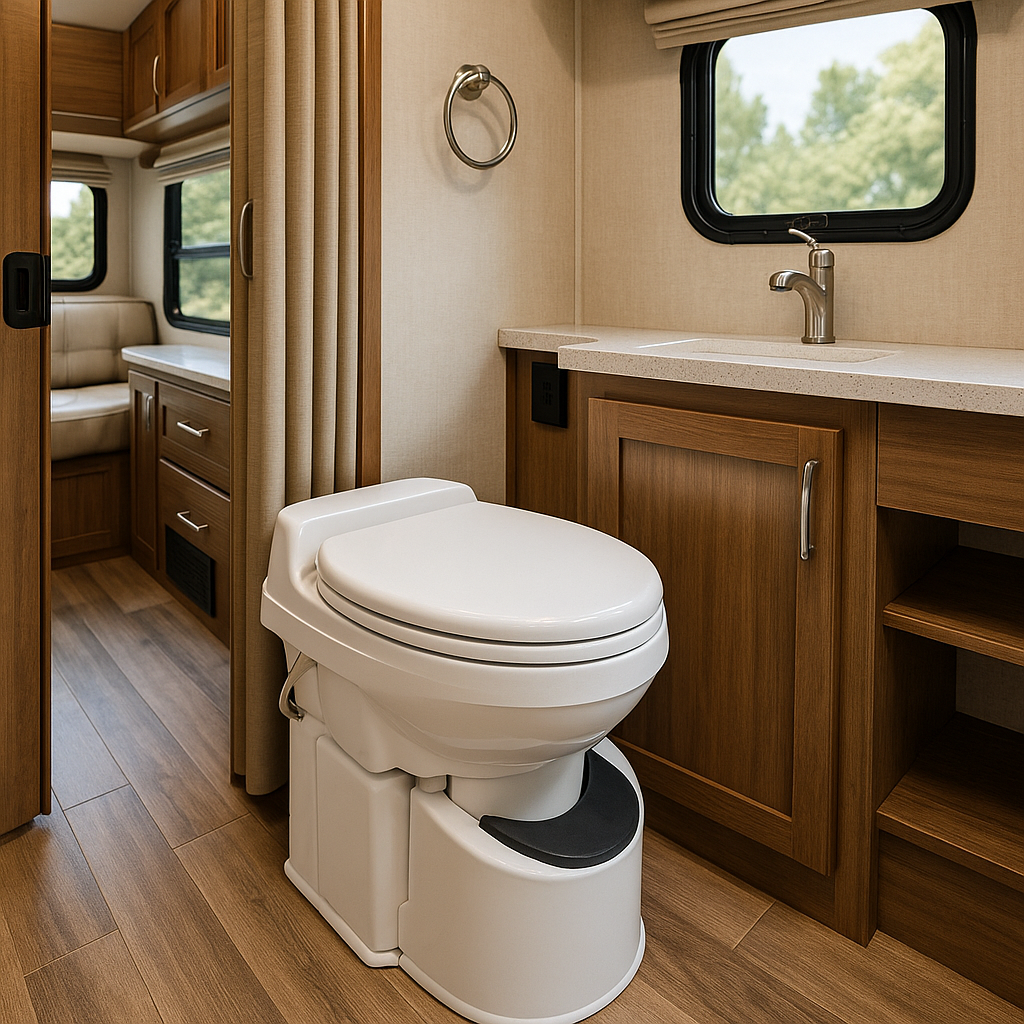
Finding the best rv composting toilet can completely change your camping experience. For many RV owners, switching from a traditional black tank setup to a composting toilet means fewer dump station visits, less water use, and better flexibility for off-grid travel. But not every model is equally easy to install, maintain, or live with day to day.
In this Shop RV Gear buyer’s guide, we’ll break down the top composting toilets for RVs, compare their features side by side, and show you what actually matters before you buy.

Best RV Composting Toilets: Quick Comparison Table
| Product | Best For | Type | Power Needed | Approx. Capacity | Standout Feature |
|---|---|---|---|---|---|
| Nature's Head Self-Contained Composting Toilet | Best overall | Urine-diverting composting | 12V fan | Solid bin for extended use | Proven RV favorite with strong track record |
| Air Head Dry Toilet | Best for compact spaces | Urine-diverting dry toilet | 12V fan | Good for couples/full-timers | Flexible tank shapes and marine-grade build |
| OGO Compost Toilet | Best modern design | Electric agitator composting toilet | 12V | Medium | Push-button mixing and sleek footprint |
| Cuddy Lite Composting Toilet | Best for small vans | Compact composting toilet | Optional/varies by setup | Smaller capacity | Ultra-compact design for tight bathrooms |
| Separett Tiny with Urine Container | Best for cabin-style simplicity | Separating toilet | Fan/vented setup | Varies by container use | Clean, modern design with simple separation |
Key Takeaways
- Composting toilets reduce or eliminate black tank dependence.
- The best models separate liquids and solids to control odor more effectively.
- Capacity, fan power, venting, and footprint matter more than marketing claims.
- Full-time RVers usually benefit from larger, more durable units.
- Weekend campers may prefer compact, lower-cost options.
- Proper installation and regular maintenance are essential for odor control.
Why RV Owners Choose Composting Toilets
A composting toilet is designed to manage waste without the traditional flush-and-hold black tank system. In RV use, most models are technically urine-diverting dry toilets, meaning they separate liquid and solid waste. This separation is the key to reducing smell and making waste handling easier.
Main benefits
- Less water use: No need to flush with fresh water.
- Fewer dump station trips: Especially useful for boondocking.
- Reduced black tank issues: No more tank clogs, sensor problems, or chemical treatments.
- More off-grid freedom: Great for vans, trailers, and motorhomes used away from hookups.
- Potentially simpler maintenance: Once you learn the routine, upkeep is often straightforward.
Potential drawbacks
- Higher upfront cost than many standard RV toilets.
- Some models require 12V power for the vent fan.
- Emptying the urine bottle can be frequent for two-person use.
- Installation may require vent routing and floor-space planning.
- Composting toilets still require hands-on maintenance.
Our Top Picks for the Best RV Composting Toilet
1. Nature's Head Self-Contained Composting Toilet
Best overall
Nature's Head is one of the most recognized names in this category, and for good reason. It has been a long-time favorite among RVers, sailors, and off-grid users who want a durable, field-tested option.

Why we like it
Its spider-handle mixing system, separate urine bottle, and compact self-contained design make it practical for many RV floorplans. It also has a reputation for reliable odor control when installed and maintained correctly.
Pros
- Strong reputation among RV and marine users
- Durable construction
- Effective liquid/solid separation
- Good capacity for longer trips
- Replacement parts and user support are widely available
Cons
- Crank handle needs clearance to operate
- Urine bottle can fill quickly with two users
- Premium price compared with simpler alternatives
- Appearance is more utilitarian than modern
Best for
- Full-time RVers
- Boondockers
- Owners replacing a traditional black tank toilet with a proven option
2. Air Head Dry Toilet
Best for compact spaces
The Air Head Dry Toilet is another top-tier choice with a loyal following. It’s especially appealing for smaller RV bathrooms because of its compact dimensions and flexible setup options.
Why we like it
Air Head offers a well-built design with a slightly different shape than some competitors, which can make a big difference in vans, truck campers, and narrow wet baths.
Pros
- Compact footprint
- High build quality
- Good odor control with proper venting
- Works well in tight installations
- Marine-grade durability
Cons
- Expensive upfront investment
- Installation can take planning in smaller rigs
- Not as widely stocked as some competitors
- Learning curve for first-time users
Best for
- Camper vans
- Truck campers
- Small travel trailers with limited bathroom space
3. OGO Compost Toilet
Best modern design
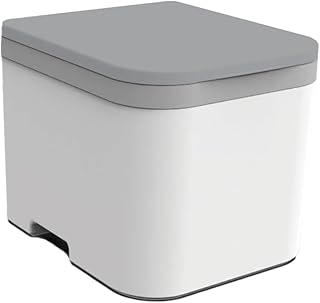
The OGO Compost Toilet stands out by replacing the manual crank with an electric mixing system. For RV owners who want a more modern feel and cleaner styling, it’s an appealing alternative.
Why we like it
The push-button agitator is convenient, and the overall shape works well in contemporary RV interiors. It feels less industrial than some older composting toilet designs.
Pros
- Electric agitator is easy to use
- Sleek modern appearance
- Compact and RV-friendly form factor
- Easy-access urine bottle
- Good option for users who dislike hand cranks
Cons
- Depends more heavily on 12V power
- More electronic components means more potential failure points
- Premium pricing
- Capacity may be less ideal for larger households
Best for
- Modern van builds
- Tech-friendly RVers
- Couples wanting a simpler daily routine
4. Cuddy Lite Composting Toilet
Best for small vans
If your bathroom area is tiny or you’re building out a compact camper, the Cuddy Lite deserves attention. It’s built for users who need a composting toilet in a very small footprint.
Why we like it
Not every RV has room for a full-size composting toilet. The Cuddy Lite focuses on compactness first, which makes it practical for stealth campers, micro trailers, and minimalist setups.
Pros
- Very compact footprint
- Lightweight and easier to fit in small builds
- Good option where standard composting units won’t fit
- Simple concept for occasional use
Cons
- Smaller capacity than larger units
- Better for solo users or short trips
- May require more frequent emptying
- Fewer comfort features than premium full-size models
Best for
- Solo travelers
- Weekend van campers
- Minimalist RV conversions
5. Separett Tiny with Urine Container
Best for cabin-style simplicity
The Separett Tiny takes a slightly different approach, emphasizing clean design and straightforward separation. While it’s often used in tiny homes and cabins, some RV owners appreciate its simple operation and modern look.
Why we like it
It offers excellent separation and a clean, user-friendly design. For RVers who prioritize simplicity and don’t mind adapting the setup to their rig, it can be a strong option.
Pros
- Clean, modern appearance
- Effective urine diversion
- Comfortable seat height and shape
- Good ventilation design
- Straightforward daily use
Cons
- Not always the easiest drop-in fit for every RV
- Installation may require more customization
- Can be bulkier depending on setup
- Better suited to certain layouts than others
Best for
- Tiny-home style RV interiors
- DIY builders
- Users focused on separation and simplicity
Side-by-Side Comparison: Which One Wins?
Here’s how the leading options stack up on the factors that matter most to RV owners.
| Model | Space Efficiency | Ease of Use | Odor Control | Capacity | Best User Type |
|---|---|---|---|---|---|
 Nature's Head Nature's Head |
4/5 | 4/5 | 5/5 | 5/5 | Full-timers and boondockers |
| Air Head | 5/5 | 4/5 | 5/5 | 4/5 | Small RVs and vans |
 OGO OGO |
4/5 | 5/5 | 4/5 | 4/5 | Modern RV users |
| Cuddy Lite | 5/5 | 4/5 | 4/5 | 3/5 | Solo and short-trip users |
| Separett Tiny | 3/5 | 5/5 | 4/5 | 4/5 | DIY and custom installs |
Clear verdict
If you want the best all-around RV composting toilet, Nature's Head remains the strongest pick for most RV owners because of its proven reliability, strong odor control, and solid long-term performance.
If space is your biggest concern, Air Head is often the better fit.
If you want a more modern user experience, OGO is the standout choice.
What to Look for Before You Buy
Choosing the best rv composting toilet depends on more than brand recognition. Focus on these practical buying factors.
1. Size and fit
Measure your bathroom carefully before ordering. Check:
- Floor footprint
- Seat height
- Lid clearance
- Wall clearance for vent hose routing
- Space to remove the urine bottle
2. Venting requirements
Most composting toilets need active ventilation to manage moisture and odor. Make sure your RV can support:
- A vent hose route to the outside
- A weather-protected vent outlet
- 12V power if the unit uses a fan
3. Capacity
Think about how many people will use the toilet and for how long.
- Solo weekend use: smaller unit may be fine
- Couples boondocking: medium to large capacity is better
- Full-time family use: composting toilets can work, but emptying frequency may rise significantly
4. Liquid bottle access
This is one of the most overlooked details. Ask yourself:
- Can you remove the bottle easily in your layout?
- Will a cabinet door or shower wall block access?
- How often are you willing to empty it?
5. Manual vs electric mixing
Manual crank systems are simple and proven. Electric agitators are more convenient but add complexity.
6. Build quality and parts support
A composting toilet is a premium RV upgrade. Buy from a brand with:
- Available replacement parts
- Clear installation instructions
- Good owner support
- A track record in mobile environments
How to Install a Composting Toilet in an RV
Installation varies by model, but the general process is similar.
Materials you may need
- Composting toilet unit
- Mounting hardware or brackets
- Drill and bits
- Screwdriver or driver bit set
- Measuring tape
- Vent hose and fittings
- Exterior vent cap
- 12V wiring supplies, if required
- Sealant approved for RV use
- Safety glasses and gloves
Numbered installation steps
- Remove the old toilet and clean the mounting area thoroughly.
- Measure the available space and dry-fit the new composting toilet.
- Mark mounting points based on the manufacturer’s template or bracket system.
- Plan the vent route to the exterior wall, floor, or existing vent path.
- Drill vent and mounting holes carefully, checking below and behind all surfaces first.
- Install the vent hose and exterior cap according to the brand’s instructions.
- Connect 12V fan wiring if the unit requires powered ventilation.
- Secure the toilet to the floor using the included brackets or hardware.
- Add the recommended medium such as coco coir or peat substitute if specified.
- Test the fan, lid, bottle access, and agitator before first use.
Safety tips
- Turn off 12V power before wiring.
- Confirm there are no pipes, tanks, or wires behind drill locations.
- Wear gloves when removing an old toilet or handling waste components.
- Use only manufacturer-approved venting and mounting methods.
- Do not block airflow to the vent fan.
Practical Advice for Everyday RV Use
A composting toilet works best when your routine matches the design.
Use the right medium
Many units perform best with coco coir, peat alternative, or another recommended composting medium. Avoid improvising unless the manufacturer says it’s acceptable.
Keep liquids and solids separate
This is essential for odor control. Separation is the entire system’s foundation.
Empty the urine bottle regularly
Don’t wait until it’s completely full. Frequent emptying is easier, cleaner, and less likely to cause spills.
Run the fan continuously if required
The vent fan helps remove moisture and odor. If your model uses one, keep it operating as directed.
Don’t expect zero maintenance
Composting toilets reduce some hassles, but they are not maintenance-free. Routine emptying, cleaning, and medium changes are part of ownership.
Is a Composting Toilet Better Than a Traditional RV Toilet?
For many RVers, yes—but only if your travel style supports it.
Composting toilet may be better if you:
- Boondock often
- Want to reduce black tank use
- Camp far from dump stations
- Prefer less water use
- Don’t mind regular hands-on maintenance
Traditional RV toilet may be better if you:
- Stay mostly at full-hookup campgrounds
- Prefer a familiar flush system
- Have multiple users in the RV every day
- Don’t want to empty a urine bottle manually
For off-grid travelers, composting toilets are often a major quality-of-life upgrade. For campground-focused RVers, the benefits may be less dramatic.
Frequently Asked Questions
1. Do composting toilets smell in an RV?
When properly installed and used correctly, a good composting toilet should have very little odor. The key is liquid-solid separation, adequate venting, and regular maintenance.
2. How often do you empty an RV composting toilet?
The urine bottle may need emptying every day or two with regular use, especially for two people. The solids container usually lasts much longer, often several weeks depending on capacity and usage.
3. Can you install a composting toilet in any RV?
In many cases, yes, but not always as a simple drop-in replacement. You need enough floor space, access for vent routing, and in some models a 12V power source for the fan.
Final Verdict
The best rv composting toilet for most RV owners is still Nature's Head because it offers the best balance of reliability, capacity, support, and real-world RV performance. It’s the safest recommendation if you want a proven, long-term solution.
That said, the right choice depends on your rig and travel style:
- Choose Nature's Head for the best overall value and proven use case.
- Choose Air Head if your bathroom is tight on space.
- Choose OGO if you want modern convenience and electric mixing.
- Choose Cuddy Lite for compact vans and occasional use.
- Choose Separett Tiny for custom installs and minimalist design.
If you’re upgrading for boondocking freedom, lower water use, and fewer black tank headaches, a composting toilet can be one of the smartest RV modifications you make.
For more practical RV gear advice, comparisons, and upgrade guides, keep exploring Shop RV Gear.
All Picks & Comparison
| # | Product | Price | Rating | ||
|---|---|---|---|---|---|
| #1 | |
Nature's Head Self Contained Composting Toilet with Close Quarters Spider Handle Design |
$1,035.00 | (1,107) | View on Amazon |
| #2 | 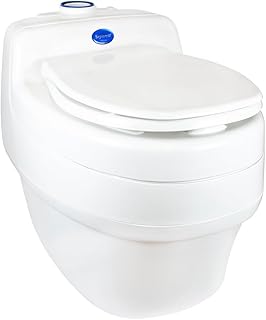 |
Separett Villa Urine-Separating Compost Toilet | No Additives or Mixing Needed, High-Capacity Design, For Homestead, For Schoolie, For Cottage Use |
$989.00 | (347) | View on Amazon |
| #3 | 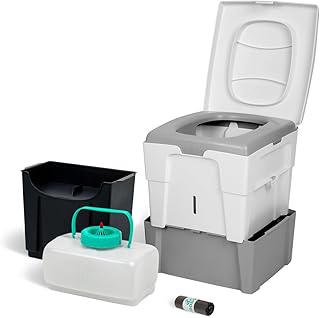 |
TROBOLO WandaGO Composting Toilet, Portable Outdoor Camping Toilet, Urine Diverting Dry Toilet With Height Adjustment |
$249.00 | (48) | View on Amazon |
| #4 | |
NOMAD by OGO Portable Compost Toilet – Camping Toilet for Truck Campers, Hunting Blinds, Car Camping, Primitive Camping & Boating, No-Electric, Waterless, Odor-Free Fits 8 Gallon Bags |
$199.99 | (112) | View on Amazon |
| #5 |  |
OGO Origin Composting Toilet – 12V Electric Agitator, Urine Diverting RV Toilet for Van Life, Tiny Home & Boat – 15" Compact, Odorless Off-Grid Toilet, No Black Tank |
$899.99 | (138) | View on Amazon |