
Best 12V RV Appliances for Off-Grid Living

Jake has spent 8 years full-timing in a Class A motorhome and has personally tested hundreds of RV products across North America. He is the lead gear reviewer at Shop RV Gear, covering solar setups, backup safety syst…
Why trust us
Every product featured on Shop RV Gear is researched by RV owners with real on-road experience. Our lead reviewer Jake Morris has full-timed for 8 years and personally tested gear across 40+ states. We earn a small commission on qualifying purchases — this never influences our picks.

How We Evaluated
We researched and tested the top options, comparing them across key factors including performance, value, ease of use, and reliability. Our recommendations are based on hands-on evaluation and real-world usage data.
⚡ Quick Picks
- #1 RecPro 10 Cu Ft 12V RV Refrigerator | Black Frost-Free Fridge with Freezer | Double Door, Adjustable Shelves, Reversible Door, Built-In Lock | 23.5”W x 26”D x 59”H | Off-Grid & Dry Camping Ready $1,299.95 View on Amazon →
- #2 RecPro RV Range Hood with Charcoal Filter & LED Lamp | 12V DC Motor | 60W Energy Efficient | Built-in Charcoal Filter | Sleek Design | Hard-Wired Installation | 0.8A Fan Motor (Black) $99.95 View on Amazon →
- #3 Camper Comfort RV Range Hood with Fan and Light | 20'' | 12V | Black $118.99 View on Amazon →
Best 12V RV Appliances for Off-Grid Living
If you’re building a more self-sufficient rig, the best 12v rv appliances can dramatically improve comfort without draining your batteries as fast as traditional AC gear. For boondockers, weekend campers, and full-timers alike, 12V appliances are often the smartest way to run essentials directly from your RV battery bank, especially when paired with solar.
In this Shop RV Gear buyer’s guide, we’ll break down the top 12V appliance categories for off-grid living, compare their strengths, explain what matters most before you buy, and help you decide which upgrades are actually worth the money.

Quick Comparison Table: Best 12V RV Appliance Categories
| Appliance Category | Best For | Typical Power Use | Main Benefit | Main Drawback | Best Verdict |
|---|---|---|---|---|---|
| 12V Compressor Fridge | Full-time food storage | Moderate, cyclical | Huge efficiency upgrade over absorption fridges | Higher upfront cost | Best overall off-grid appliance |
| 12V Roof Vent Fan | Cooling and airflow | Low to moderate | Excellent comfort for very low power draw | Won’t replace AC in extreme heat | Best comfort upgrade |
| 12V Water Pump | Freshwater delivery | Low, intermittent | Essential for sinks, showers, toilets | Noise and vibration can be annoying | Best must-have utility appliance |
| 12V LED Lighting | Interior and exterior lighting | Very low | Cheap, efficient, easy upgrade | Limited impact on major comfort alone | Best budget upgrade |
| 12V Portable Cooler/Fridge | Extra food or drinks storage | Low to moderate | Flexible and portable | Less capacity than built-in fridge | Best for small rigs |
| 12V Water Heater Element/System | Limited hot water support | Moderate to high | Useful in select compact setups | Can be battery-intensive | Best for niche builds |
| 12V Television/Entertainment | Low-power media use | Low to moderate | More efficient than inverter-powered TV | Not a necessity for all campers | Best convenience pick |
| 12V Coffee Maker/Kettle Alternatives | Morning routine | High for short bursts | Convenient in minimalist setups | Can spike battery demand fast | Best only for large battery banks |
Key Takeaways
- 12V appliances are ideal for off-grid RV living because they run directly from your house battery system.
- The best value upgrades are usually a 12V compressor fridge, roof vent fan, water pump, and efficient lighting.
- High-draw appliances like microwaves and air conditioners are rarely practical on 12V alone unless you have a very large lithium battery bank.
- Look closely at amp draw, duty cycle, noise, installation requirements, and battery capacity before buying.
- For most RVers, the best approach is to prioritize appliances that run often and save the most power over time.
Why 12V Appliances Matter for Off-Grid RVing
When you camp without hookups, every amp-hour matters. Standard household appliances typically require 120V AC power, which means using an inverter to convert your battery’s 12V DC power. That conversion creates efficiency losses and often increases total power demand.
By comparison, 12V RV appliances are designed to run directly from your battery bank. That means:
- Less conversion loss
- Better battery efficiency
- Easier integration with solar systems
- More reliable operation while traveling
- Safer and simpler use for many basic RV functions
Not every appliance should be 12V, but for core daily-use items, it’s often the best fit for boondocking.

Our Top Picks by Appliance Type
Rather than pretending one single product fits every RV, we recommend shopping by appliance category. These are the 12V appliances that usually make the biggest difference in real off-grid use.
1. 12V Compressor Fridge
A 12V compressor refrigerator is the gold standard for off-grid RV food storage. Compared with older propane absorption fridges, compressor models cool faster, maintain temperature better, and usually perform much better in hot weather and uneven parking conditions.
Why it stands out
If you spend multiple days away from hookups, this is often the single most impactful appliance upgrade you can make. It reduces propane dependence and usually improves food safety and convenience.
Pros
- Excellent cooling performance
- More efficient than many traditional RV fridges
- Works well in hot climates
- No need to stay perfectly level
- Great fit for solar-and-lithium setups
Cons
- Expensive compared with basic coolers
- Continuous battery planning is required
- Installation can be more involved for built-in models
Best for
Full-timers, boondockers, and RV owners replacing an aging absorption fridge.
2. 12V Roof Vent Fan
A quality 12V roof fan is one of the best comfort-per-watt upgrades available. It can pull hot air out, bring fresh air in, reduce condensation, and make shoulder-season camping much more pleasant.
Why it stands out
Vent fans sip power compared with air conditioners. In many climates, a roof fan plus open windows is enough to stay comfortable during mornings, evenings, and overnight hours.
Pros
- Low power draw
- Improves airflow and moisture control
- Helps reduce interior heat buildup
- Great for cooking, pets, and sleeping comfort
- Usually easy to use daily
Cons
- Not enough for extreme desert heat alone
- Roof installation may be required
- Some models are noisy at high speeds
Best for
Nearly every RV owner, especially off-grid campers in mild to warm climates.
3. 12V Water Pump
Your RV water pump may not be glamorous, but it’s essential. It powers everyday basics like handwashing, dishwashing, showers, and toilet flushing when you’re not connected to city water.
Why it stands out
A reliable 12V pump is a foundational off-grid appliance. Modern pumps are efficient, widely available, and easy to replace when needed.
Pros
- Essential for dry camping functionality
- Low intermittent power use
- Easy to source and replace
- Available in multiple flow rates
Cons
- Can be loud if mounted poorly
- Pressure fluctuations can happen on cheaper models
- Requires winterization and maintenance
Best for
Every self-contained RV, van, or trailer with a freshwater system.
4. 12V LED Lighting
If your RV still uses older incandescent or halogen bulbs, switching to 12V LED lighting is one of the easiest efficiency wins available.
Why it stands out
LEDs use a fraction of the power of older bulbs and generate less heat. This is a low-cost upgrade with immediate battery savings.
Pros
- Very low power draw
- Affordable and easy to install
- Long lifespan
- Less heat output inside the RV
Cons
- Light quality varies by brand
- Some cheap LEDs flicker or fail early
- Not a “major appliance” comfort upgrade on its own
Best for
Budget-minded RV owners and anyone improving battery runtime.
5. 12V Portable Fridge or Cooler
For camper vans, truck campers, teardrops, and weekend rigs, a 12V portable fridge/freezer can be a better fit than a built-in refrigerator.
Why it stands out
Portable units add flexibility. You can use them in the RV, tow vehicle, campsite, or even at home between trips.
Pros
- Portable and versatile
- Efficient compressor cooling
- Great for smaller rigs
- Can serve as backup cold storage
Cons
- Smaller capacity than built-ins
- Takes up floor or storage space
- Premium models can be pricey
Best for
Small RV owners, overlanders, and travelers who want flexible refrigeration.
6. 12V Television or Entertainment System
A 12V TV or media setup is a convenience item, but for longer trips it can improve livability without needing an inverter for every movie night.
Why it stands out
If you already enjoy streaming, DVDs, or local channels while camping, a native 12V TV is typically more efficient than powering a standard household television through an inverter.
Pros
- Lower draw than many AC TVs via inverter
- Simple integration with RV electrical systems
- Good for rainy days and extended travel
Cons
- Not essential for all campers
- Screen and sound quality vary widely
- Streaming still requires internet planning
Best for
Families, full-timers, and RVers who spend long evenings indoors.
7. 12V Water Heating Solutions
True 12V water heating is more niche than many buyers expect. Water heating requires significant energy, so most RVs still rely on propane, engine heat exchangers, or shore power for practical hot water.
Why it stands out
Some compact vans and custom builds use 12V heating elements or small specialty systems, but these are best reserved for rigs with robust electrical systems.
Pros
- Useful in select custom setups
- Can simplify all-electric designs
- Helpful for small-volume water heating needs
Cons
- High battery demand
- Usually less practical than propane for most RVs
- Slower heating in many cases
Best for
Custom van builds and advanced solar-lithium systems.
8. 12V Coffee and Cooking Appliances
This category gets lots of attention, but it’s where many buyers make unrealistic assumptions. Heating appliances are energy-hungry, even at 12V.
Why it stands out
Small 12V kettles, lunchbox ovens, and travel coffee makers can work, but they’re generally best for short use periods and larger battery banks.
Pros
- Convenient for quick meals or drinks
- Great for minimalist setups in some cases
- Avoids inverter use for specific tasks
Cons
- High amp draw
- Slow performance compared with propane or AC appliances
- Easy to overestimate battery capacity
Best for
RVers with large lithium systems or very specific daily routines.
Side-by-Side Comparison: Which 12V RV Appliance Is Best?
| Rank | Appliance | Upfront Cost | Battery Friendliness | Off-Grid Value | Installation Difficulty | Overall Recommendation |
|---|---|---|---|---|---|---|
| 1 | 12V Compressor Fridge | High | High | Excellent | Moderate | Best overall |
| 2 | 12V Roof Vent Fan | Moderate | Excellent | Excellent | Moderate | Best comfort upgrade |
| 3 | 12V Water Pump | Moderate | Excellent | Essential | Easy to Moderate | Best utility pick |
| 4 | 12V LED Lighting | Low | Excellent | Very Good | Easy | Best budget upgrade |
| 5 | 12V Portable Fridge | Moderate to High | High | Very Good | Easy | Best for small rigs |
| 6 | 12V TV | Moderate | Good | Moderate | Easy | Best convenience option |
| 7 | 12V Water Heating | High | Low to Moderate | Niche | Moderate to Hard | Best for advanced builds |
| 8 | 12V Cooking Appliances | Low to Moderate | Low | Situational | Easy | Only for select users |
Clear Verdict
For most RV owners, the best 12V RV appliances to prioritize are:
- 12V compressor fridge
- 12V roof vent fan
- 12V water pump
- 12V LED lighting
These four upgrades deliver the best balance of comfort, efficiency, and real off-grid usefulness. If your budget is limited, start with LED lighting and a vent fan. If you’re doing a major system upgrade, a compressor fridge should be near the top of your list.
What to Look for Before You Buy
Battery Capacity and Daily Power Use
The most important question is not “Will this appliance run?” but “How long will it run from my battery bank?”
Check:
- Rated amp draw
- Daily amp-hour consumption
- Startup surge, if any
- Duty cycle for appliances that cycle on and off
- Your usable battery capacity
As a rule, lithium batteries give more usable capacity than lead-acid batteries and pair especially well with 12V appliances.
Size and Fit
For built-in appliances, measure carefully:
- Cabinet opening dimensions
- Ventilation clearance
- Door swing clearance
- Wire routing access
- Weight support
Noise Levels
Fans, pumps, and fridges all make some noise. If you’re a light sleeper, noise can matter almost as much as efficiency.
Build Quality and Vibration Resistance
RV appliances live in a moving environment. Look for gear designed for road vibration, uneven temperatures, and compact spaces.
Warranty and Support
A good warranty matters more with powered appliances than with simple accessories. Established RV-focused brands often provide easier replacement parts and better support.
How to Choose and Install a 12V RV Appliance
Materials You May Need
- Wire cutters and strippers
- Crimp connectors or heat-shrink terminals
- Correct gauge 12V wire
- Inline fuse or breaker
- Screwdriver and drill
- Mounting hardware
- Multimeter
- Owner’s manual and wiring diagram
Step-by-Step Installation Overview
- Confirm your power budget. Calculate the appliance’s expected daily amp-hour use and compare it to your battery bank.
- Check wire size requirements. Undersized wire causes voltage drop and poor appliance performance.
- Add proper circuit protection. Install the recommended fuse or breaker as close to the power source as possible.
- Test voltage before connecting. Use a multimeter to verify healthy battery voltage and polarity.
- Mount the appliance securely. RV appliances must handle road vibration and movement.
- Ensure ventilation if required. Compressor systems, electronics, and some enclosed appliances need airflow.
- Run a function test. Verify startup, operating draw, and proper shutoff behavior.
- Monitor battery performance for the first few trips. Real-world use often differs from lab specs.
Safety Tips
- Disconnect battery power before wiring.
- Follow the manufacturer’s fuse and wire gauge recommendations.
- Never guess on polarity with 12V systems.
- Avoid overloading existing circuits.
- Keep wiring protected from abrasion, moisture, and heat.
- If you’re unsure, hire a qualified RV technician or marine electrician.
Practical Advice for Real-World Off-Grid Use
The smartest appliance strategy is to improve the items you use every day, not chase novelty gadgets. In most rigs, comfort and efficiency come from a handful of core systems.
Here’s a practical order of operations:
If you’re on a tight budget
Start with:
- LED lighting
- Roof vent fan
- Water pump maintenance or replacement
If you’re upgrading for serious boondocking
Focus on:
- Compressor fridge
- Battery bank upgrade
- Solar charging
- Ventilation improvements
If you want all-electric convenience
Make sure you also plan for:
- Larger lithium battery capacity
- Solar array expansion
- DC-DC charging from the tow vehicle or alternator
- A realistic understanding of heating appliance power demands
FAQ
What is the most useful 12V appliance for an RV?
For most off-grid RVers, a 12V compressor fridge is the most useful upgrade because it runs daily, improves food storage, and is typically more efficient than older RV refrigerator designs.
Are 12V RV appliances better than using an inverter?
Often, yes. Native 12V appliances avoid inverter conversion losses and are usually more efficient for core functions like refrigeration, ventilation, lighting, and water pumping. However, some appliances are still more practical on propane or 120V AC.
Can I run all my RV appliances on 12V?
Not realistically in most setups. Low- and moderate-draw appliances work well on 12V, but high-heat devices like air conditioners, microwaves, and many cooking appliances require a very large battery bank and charging system to be practical.
Final Thoughts
The best 12v rv appliances are the ones that improve daily life while respecting your battery limits. For most RV owners, that means prioritizing efficient essentials over flashy gadgets.
If you want the strongest off-grid setup, start with a 12V compressor fridge, roof vent fan, water pump, and LED lighting. Those upgrades deliver the clearest gains in comfort, power efficiency, and long-term usability.
At Shop RV Gear, our advice is simple: buy for the way you actually camp. A well-chosen 12V appliance can make your RV more capable, but the right system balance is what truly makes off-grid living work.
All Picks & Comparison
| # | Product | Price | Rating | ||
|---|---|---|---|---|---|
| #1 |  |
RecPro 10 Cu Ft 12V RV Refrigerator | Black Frost-Free Fridge with Freezer | Double Door, Adjustable Shelves, Reversible Door, Built-In Lock | 23.5”W x 26”D x 59”H | Off-Grid & Dry Camping Ready |
$1,299.95 | (298) | View on Amazon |
| #2 | 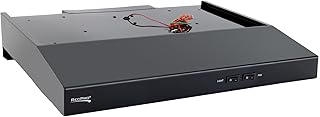 |
RecPro RV Range Hood with Charcoal Filter & LED Lamp | 12V DC Motor | 60W Energy Efficient | Built-in Charcoal Filter | Sleek Design | Hard-Wired Installation | 0.8A Fan Motor (Black) |
$99.95 | (223) | View on Amazon |
| #3 |  |
Camper Comfort RV Range Hood with Fan and Light | 20'' | 12V | Black |
$118.99 | (37) | View on Amazon |
| #4 |  |
6" Replacement White RV Vent Fan Blade with 12V D-Shaft Motor, Compatible with Heng's, Elixir, Ventline, Jensen |
$14.99 | (3,264) | View on Amazon |
| #5 |  |
Electric Travel Kettle,12V/24V Car Coffee Warmer Kettle,Portable Hot Water Boiler,Small Hot Water Heater with Built-in Magnetic Induction Stirring |
$23.99 | (277) | View on Amazon |